

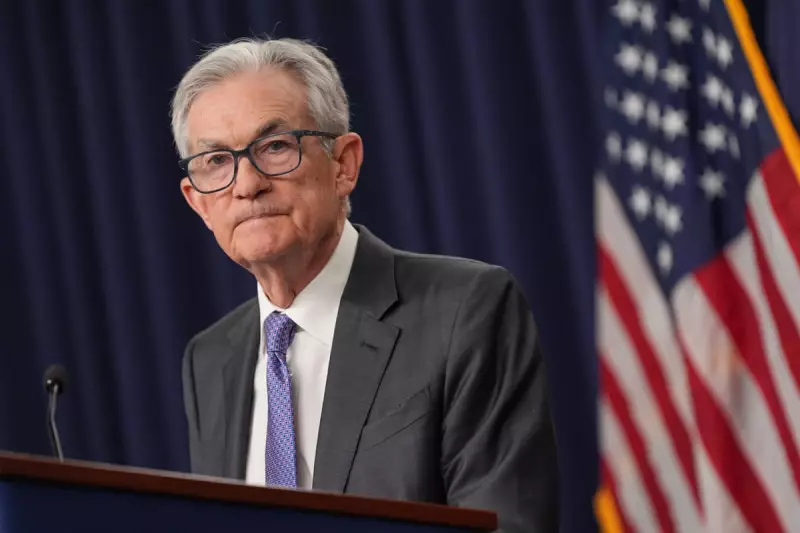
The United States Federal Reserve has opted to maintain current interest rates following its inaugural rate-setting meeting of the year, a decision that comes amidst significant political pressure and legal scrutiny. The central bank's federal open market committee (FOMC) voted to pause further reductions, with rates remaining within a range of 3.5% to 3.75%. This follows three consecutive rate cuts implemented during the autumn months, marking a cautious approach to monetary policy.
Political Pressure and Presidential Criticism
The decision to hold rates steady occurs against a backdrop of unprecedented pressure from the White House, where President Donald Trump has been vocal in his demands for lower interest rates. Trump has repeatedly criticised Federal Reserve Chair Jerome Powell, alleging that the Fed's reluctance to cut rates more aggressively is costing the American economy hundreds of billions of dollars. The president has not shied away from personal attacks, recently describing Powell as "stiff" and suggesting that rate reductions could have been doubled.
The Stakes of Federal Reserve Independence
Economists emphasise that the Federal Reserve's independence is crucial for maintaining economic stability, yet the Trump administration has made concerted efforts to influence its decisions. The FOMC, which consists of twelve voting members and convenes just eight times annually, faces heightened stakes during Trump's second term. Each meeting is scrutinised for signs of political interference, with the central bank striving to base its policies on economic evidence rather than external pressure.

Criminal Investigation into Jerome Powell
Adding to the tension, Chair Jerome Powell revealed on 11 January that he is under criminal investigation by the justice department. The probe focuses on testimony Powell provided last summer regarding renovations at the Federal Reserve headquarters in Washington DC, which have exceeded their budget. Trump has accused Powell of fraud, though the Fed chair maintains that the renovations were essential safety upgrades for ageing infrastructure.
In a recorded statement that many viewed as a defiant response to Trump's tactics, Powell labelled the investigation a "pretext". He asserted that the threat of criminal charges stems from the Fed's commitment to setting interest rates based on public interest rather than presidential preferences. "This is about whether the Fed will be able to continue to set interest rates based on evidence and economic conditions – or whether instead monetary policy will be directed by political pressure or intimidation," Powell stated.
Economic Implications and Future Outlook
Interest rate cuts are typically employed to stimulate short-term economic activity, but they carry the risk of fuelling inflation over the longer term. Powell indicated in December that the Fed was positioned to adopt a wait-and-see approach, noting, "We're well positioned to wait and see how the economy evolves from here." Despite backlash from some business leaders and Republican lawmakers, the investigation into Powell remains ongoing, casting a shadow over the central bank's operations.
Powell is scheduled to address the media at a press conference following the FOMC meeting, marking his first public questioning since the justice department investigation was announced. With his term as chair set to expire in May, the coming months will be critical for the Federal Reserve's autonomy and its role in steering the US economy through a period of political turbulence.






