

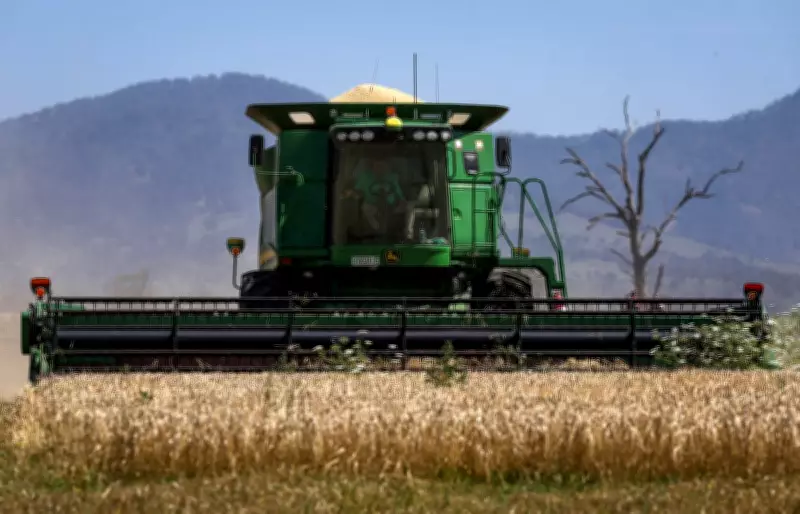
Fertiliser is in short supply globally, and Australia is particularly vulnerable. The US-Israel war on Iran has disrupted shipments through the Strait of Hormuz, affecting not only fuel but also critical fertiliser imports. This double blow is forcing Australian farmers to make tough decisions about planting, with potential consequences for crop yields and food prices.
Why Are Fertiliser Supplies Disrupted?
The Strait of Hormuz, a key shipping route, has been effectively closed since late February due to conflict. While 20% of global oil and LNG passes through, the share for fertiliser is even higher: 43% of urea, 44% of sulphur, and 27% of anhydrous ammonia. This has caused prices to surge, with Middle East urea prices nearly doubling since the start of the year.
Australia's Dependence on Imports
Australia relies heavily on imported fertilisers. Between 2019 and 2023, it imported 100% of potash, nearly 90% of nitrogen fertilisers, and about 70% of phosphate fertilisers. More than 60% of urea imports come from the Middle East. Since the closure of Incitec Pivot's Gibson Island plant in 2022, Australia produces no urea domestically.

Impact on Farmers and Costs
Fuel, fertiliser, and transport account for about 14% of agricultural production costs. Diesel and fertiliser prices are now 79% and 67% above their five-year averages, respectively. CBA analysis suggests these cost increases could slash a third off agricultural sector income. Farmers face a dilemma: buy expensive fertiliser when grain prices remain weak.
Will Bread Become More Expensive?
Soaring input costs will eventually feed through to supermarket prices, but for now, farmers are absorbing the shock. Grain prices are set globally, and northern hemisphere crops have not been as affected. However, if supply disruptions persist, the most acute price increases for grains are expected toward the end of 2026 and into 2027.
Potential Crop Reductions
If farmers reduce fertiliser use by 45%, wheat production could fall by a quarter, with barley and canola dropping by more than 30%. Even a 15% reduction would cut wheat yields by 9%, barley by 17%, and canola by 10%. The decisions made now will determine harvest sizes.
What Happens Next?
Australia has secured an extra 250,000 tonnes of Indonesian urea, enough for about a fifth of the remaining fertiliser needed. However, if farmers cannot access fertiliser, production could become unprofitable. The situation underscores the need for domestic self-sufficiency, with Incitec Pivot's Perdaman project expected to meet 90% of urea needs by mid-2027. Despite the crisis, Australia exports significantly more food than it consumes, ensuring domestic supply.






