

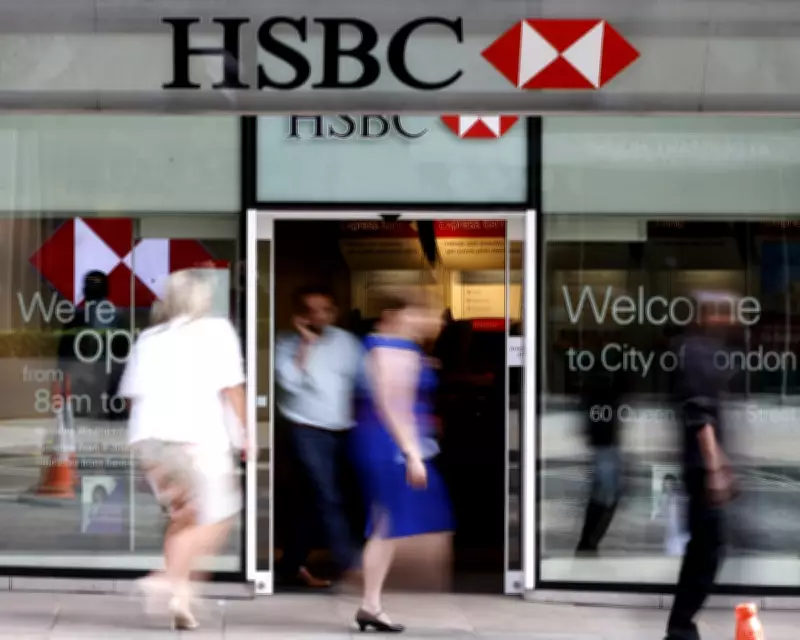
HSBC Executives Voice Alarm Over Iran War's Economic Fallout
HSBC's top leadership has issued stark warnings that the ongoing Iran war is already eroding global economic confidence, with business leaders across sectors highlighting the conflict's far-reaching risks. Georges Elhedery, the Lebanon-born chief executive of the bank, expressed deep concern during a HSBC conference in Hong Kong, stating that the uncertainties are beginning to weigh on general confidence and could have global repercussions.
Immediate Impacts on Markets and Prices
Elhedery pointed to volatile prices in key commodities, including oil, refined products, fertilizers, and metals, as immediate indicators of the conflict's economic strain. Brent crude oil, after briefly surpassing $100 per barrel, experienced fluctuations, dipping to $98.5 a barrel despite a U.S. blockade on Iran's ports. This volatility underscores the fragile state of global energy markets, with negotiations between the U.S. and Iran stalling after extended talks in Islamabad.
In London, the FTSE 100 showed modest gains, but companies like Imperial Brands flagged a "more uncertain geopolitical and macro environment," reflecting broader business anxieties. Recruitment firm PageGroup noted that the Middle East conflict is driving an increasingly uncertain outlook for the year, with tough market conditions in the UK, Europe, and Asia, and salaries lagging behind previous years.

Broader Economic Risks and Sectoral Challenges
HSBC chair Brendan Nelson emphasized that a Middle East peace deal is crucial to stabilize global energy flows, warning that oil-driven inflation poses a significant threat to the world economy. He highlighted that prolonged disruption could lift inflation and depress growth, creating a dual challenge for policymakers and businesses alike.
The conflict's effects are already rippling through specific industries. Garment makers using petroleum-based synthetic fabrics, such as polyester, face cost increases of 10-15%, according to Tom Beahon, co-founder of sportswear company Castore. He noted that if the war persists, these costs may be passed on to consumers, compounded by shipping disruptions as airlines reduce flights and ships remain stranded in the Strait of Hormuz.
In the aviation sector, Virgin Atlantic's chief executive, Corneel Koster, reported jet fuel prices more than doubling prewar levels, suggesting that some energy price disruptions may become permanent regardless of future developments in the Gulf.
Global Calls for Coordinated Action
As the economic implications mount, Chancellor Rachel Reeves called for coordinated international action during the IMF and World Bank spring meetings in Washington. She urged that the Iran conflict serve as a "line in the sand" for addressing global crises, highlighting the need for unified economic strategies to mitigate instability.
HSBC, with a 31% stake in Saudi Awwal Bank and significant exposure to the Middle East, has so far observed only "very benign movement" of capital from the region. However, wealthy investors are exploring relocations to hubs like Singapore and Hong Kong, signaling potential long-term shifts in financial flows. Analysts at JP Morgan Chase note that the Middle East accounts for roughly 4% of HSBC's pre-tax profit, underscoring the bank's vested interest in regional stability.
The collective warnings from HSBC and business leaders paint a concerning picture of an economy grappling with geopolitical tensions, where confidence is faltering and inflationary pressures are mounting, threatening to stifle growth on a global scale.






