

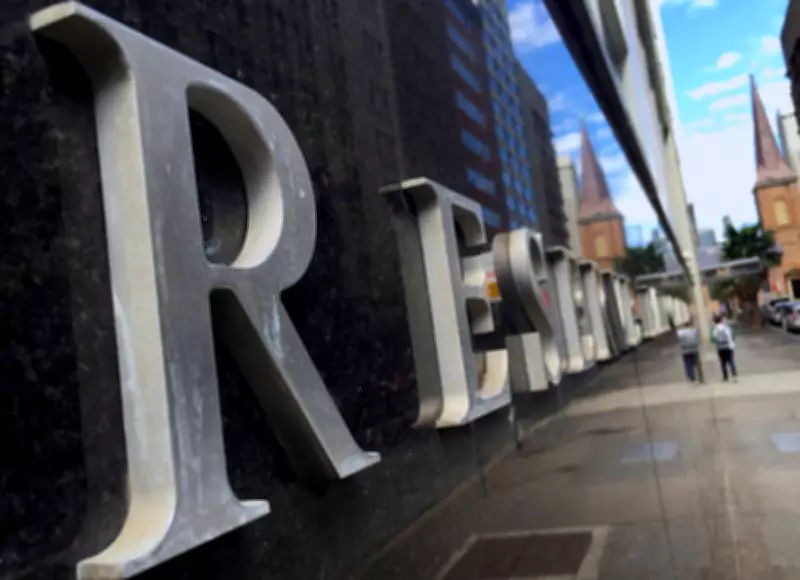
As the Reserve Bank of Australia convenes for its first policy meeting of the year, a powerful consensus has emerged among financial experts, forecasting a hike in the cash rate from 3.6% to 3.85%. This expectation is largely driven by recent data showing persistently high inflation, which many believe will compel the central bank to take decisive action. However, a small but vocal minority of economists is challenging this prevailing view, arguing that such a move could constitute a significant policy error with potentially damaging consequences for the nation's economic stability.
The Case Against a Rate Hike
Diana Mousina, deputy chief economist at AMP, acknowledges the discomfort of standing against the herd, particularly when market sentiment strongly favours a rate increase. She describes the decision as a close call, estimating a 50-50 chance, but expresses concern that hiking rates now could derail the private sector recovery, which has only just begun to gain momentum over the past two quarters. Mousina points to evidence in monthly data suggesting that price growth is moderating in key areas such as rents, home building, and durable goods, indicating that inflation may naturally cool throughout the year without further monetary tightening.
She emphasises that underlying inflation, which excludes volatile items like electricity, sits at around 3.5% and is not inherently problematic. While higher than desired, she argues it does not warrant an immediate rate hike, especially given the fragile state of the economic rebound. Mousina warns that unnecessary tightening could undermine recent improvements, risking a return to weaker growth patterns.

Labour Market and Global Uncertainties
Stephen Koukoulas, managing director at Market Economics, joins the call for the RBA to hold rates steady. He agrees that a hike is on the table but highlights other critical factors beyond inflation, most notably the labour market. Although the unemployment rate unexpectedly dropped to 4.1% in December, Koukoulas believes this masks a weaker underlying trend, with no signs of inflationary pressures in wages data. He contends that an overheating labour market is not currently a concern, making a rate hike premature.
Koukoulas also draws attention to the extraordinary uncertainty in the global economy, citing chaotic policymaking under figures like Donald Trump, a slowing Chinese economy, and volatile financial markets. He suggests that the Australian economy is only just emerging from a period of weakness, with employment and GDP growth showing tentative signs of improvement. In his view, this moment of economic sunshine should be enjoyed rather than jeopardised by hasty monetary policy decisions.
Global Context and Historical Precedents
Phil O'Donaghoe, chief economist at Deutsche Bank, notes that a rate hike would set the RBA apart from most of its global peers, who are more likely to ease interest rates through 2026. While Australia has historically followed its own path in defiance of global inflationary trends, O'Donaghoe argues there is no compelling reason to do so now, especially in the absence of a mining boom to bolster the economy. He raises the prospect that a knee-jerk rate hike in February, coming just six months after the last policy easing, might need to be reversed quickly, adding unnecessary volatility to the financial landscape.
These dissenting voices collectively warn that a rate hike could be a misstep, potentially stifling the nascent recovery and ignoring broader economic indicators. As the RBA board deliberates, the debate underscores the delicate balance between controlling inflation and supporting growth, with significant implications for homeowners, businesses, and the overall health of the Australian economy.






