

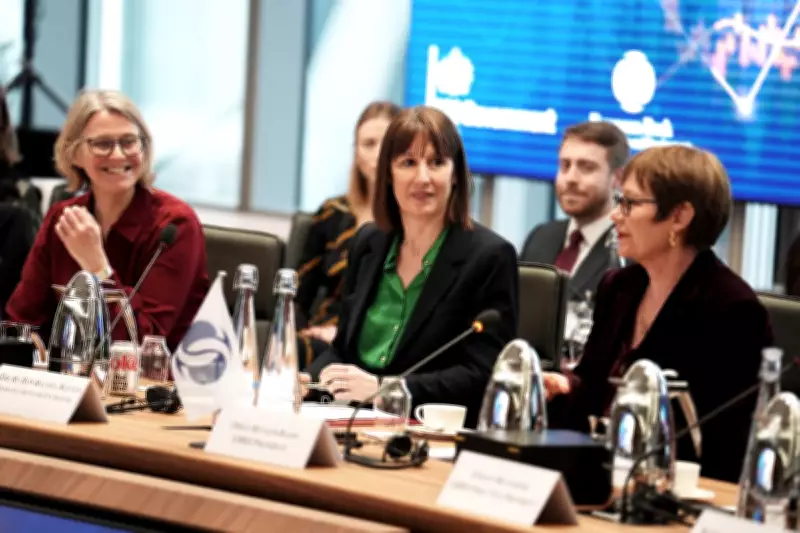
Fresh economic data indicates that Chancellor Rachel Reeves is overseeing a UK economy expanding at a sluggish pace, with new forecasts from EY suggesting another year of soggy growth lies ahead. The professional services giant predicts that Gross Domestic Product (GDP) will rise by just 0.9 per cent in 2026, a notable deceleration from the 1.4 per cent growth recorded in the previous year.
Fiscal Policy Tightening and Global Headwinds
This anticipated slowdown is attributed to the lingering impact of last year's Budget, which introduced tax increases totalling £26 billion. These measures are set to elevate the overall tax burden to 38 per cent of GDP by the decade's end, creating a fiscal drag on economic momentum. Matt Swannell, chief economic adviser to the EY ITEM Club, explained that while further tax rises may not be expected in 2026, previously announced policies will begin to raise revenues. Concurrently, the government must reduce borrowing and maintain steady public spending to adhere to its fiscal rules.
Swannell emphasised: "This tightening of fiscal policy, alongside ongoing global uncertainty, is expected to drag on UK growth over the next year or so." EY also highlighted the disruption in the global economy as a significant source of uncertainty for British businesses, exacerbating domestic challenges.

Investment Forecast Revised Downwards
In a concerning development, EY has revised its investment forecast for 2026. Previously, in November, the accountancy firm anticipated a 0.8 per cent rise in investment this year. However, it now expects a 0.2 per cent contraction, further weighing on overall economic growth prospects.
Anna Anthony, UK and Ireland regional managing partner at EY, attributed this expected investment slump to an increasingly volatile macroeconomic environment. She noted: "The start of 2026 has seen this uncertainty intensify once again, highlighting the turbulent market conditions that businesses continue to navigate and factor into their spending plans."
Businesses have already faced renewed threats this year, including potential tariffs following geopolitical tensions, such as former US President Donald Trump's rhetoric over Greenland, although such measures were ultimately withdrawn. The tariffs implemented in the previous year have proven highly disruptive to UK exporters, with a recent survey from Make UK revealing that 20 per cent of factories have either ceased or reduced exports to the United States.
Long-Term Outlook and Policy Recommendations
Despite the near-term challenges, EY projects a rebound in investment of 1.7 per cent in 2027, driven by anticipated further interest rate cuts and the continued robustness of corporate balance sheets. Anthony stressed the necessity for the government to "embed stability" into the UK economy to bolster long-term investment decisions.
She concluded: "Maintaining a steady, transparent and growth-oriented policy environment will build on the UK's strengths as a stable, attractive investment destination in an otherwise unpredictable global landscape." This call for consistency underscores the delicate balancing act facing policymakers as they navigate fiscal constraints and external economic pressures.






