

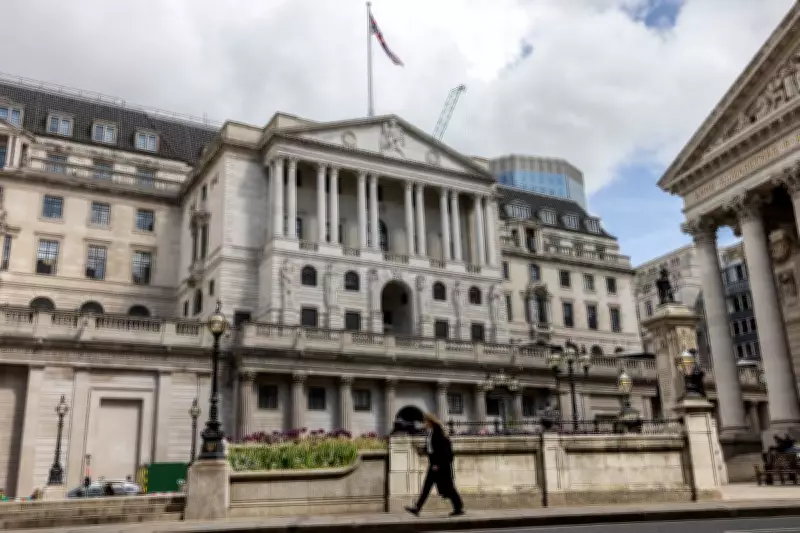
High inflation continues to concern Bank of England officials as the latest data reveals persistent price pressures even before the outbreak of conflict in the Middle East. The Office for National Statistics reported that Consumer Price Index inflation remained at three percent for the year to February, unchanged from the previous month and significantly above the central bank's two percent target.
Pre-War Inflation Data Shows Limited Progress
City economists had accurately predicted the three percent reading, which matched January's figure. This stagnation occurred despite policymakers searching for indications that inflationary pressures were easing before the geopolitical tensions escalated. The data represents the final comprehensive snapshot of UK price dynamics before President Trump and Prime Minister Netanyahu initiated military strikes against Iran in early March.
Underlying Measures Show Mixed Signals
Within the broader inflation figures, some components showed modest improvement. Services inflation, which helps gauge how wage costs affect businesses, decreased slightly to 4.3 percent. Meanwhile, core inflation, which excludes volatile food and energy items, stood at 3.2 percent. However, these subtle improvements are unlikely to significantly influence the Bank of England's rate-setting committee, which typically focuses on broader trends rather than monthly fluctuations.

Geopolitical Conflict Transforms Economic Landscape
The military confrontation in the Middle East has dramatically altered the economic outlook by blocking the Strait of Hormuz, a critical maritime passage responsible for approximately one-fifth of global oil and gas supplies, along with fertilizers and essential chemicals. This disruption has triggered substantial energy price increases across financial markets.
The international benchmark for oil prices surged from approximately $68 per barrel before the conflict to nearly $120 during the height of hostilities. Brent Crude oil maintained levels above $100 in Tuesday trading sessions. Simultaneously, UK natural gas futures have skyrocketed by more than 80 percent since the war began.
Energy Price Surge Impacts Consumers and Policy
These wholesale increases have already translated into higher fuel prices at petrol stations across Britain. Consumers face additional concerns as the Ofgem price cap prepares to adjust in July to reflect market changes. Before the conflict, the Bank of England had projected inflation would decline to its target rate starting in April. However, the institution has now revised its forecasts upward, anticipating three percent inflation next month with further increases likely in subsequent months.
Central Bank Maintains Vigilant Stance
During its most recent meeting, the Bank's Monetary Policy Committee emphasized its readiness to take action if price pressures intensify further. Chief economist Huw Pill reinforced this position in a Tuesday speech, stating that uncertainty cannot serve as an excuse while the central bank prioritizes restoring price stability.
Economists from major Wall Street institutions have suggested the possibility of two interest rate hikes amid growing concerns that households and businesses have become increasingly sensitive to cost-of-living pressures. The combination of stubborn pre-war inflation and post-conflict energy shocks creates a challenging environment for monetary policymakers navigating between economic stability and inflationary control.






