

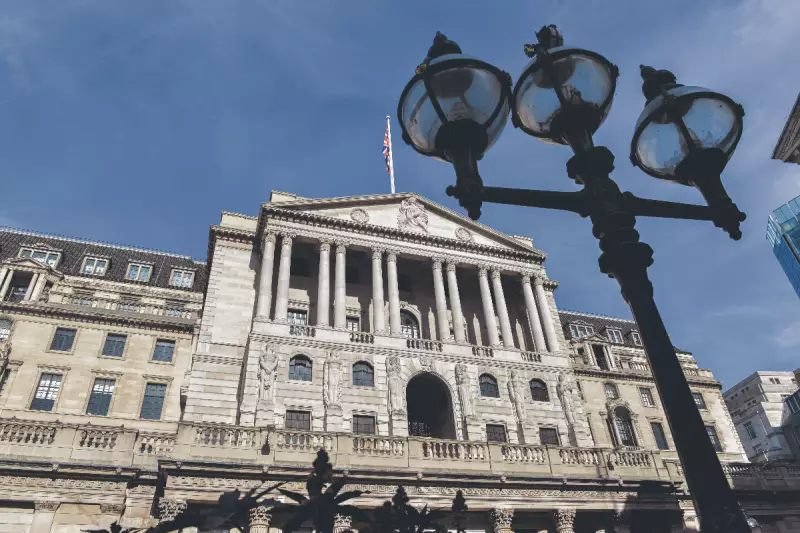
UK Inflation Exceeds Expectations in December, Adding Pressure to Cost of Living Crisis
New official data has revealed that UK inflation overshot forecasts in December, delivering a warning to the Bank of England about the steady pace of potential interest rate cuts. The latest figures from the Office for National Statistics show consumer price index inflation, the headline measure for price growth, reached 3.4 per cent in the year to December.
This reading exceeded the 3.3 per cent prediction from economists polled by Bloomberg, indicating persistent inflationary pressures in the economy. The data comes at a critical time for monetary policymakers who are weighing future interest rate decisions.
Key Drivers Behind the Inflation Increase
Grant Fitzner, chief economist at the ONS, explained the December figures were partly driven by higher tobacco prices following recently introduced excise duty increases. More concerning for UK households, food price inflation accelerated to 4.5 per cent compared to 4.2 per cent in the previous month.

This measure is particularly significant as grocery costs can heavily influence inflation expectations among consumers. Services inflation, another closely monitored indicator by Bank of England officials, remained elevated at 4.5 per cent according to the official data.
Political Responses to the Inflation Data
Chancellor Rachel Reeves responded to the figures by emphasising her commitment to addressing the cost of living. She stated that her number one focus remains cutting living costs and putting money back into the pockets of working people, suggesting this year represents a turning point for Britain's economy.
Shadow chancellor Mel Stride offered a contrasting perspective, blaming Labour's economic management for the rising inflation that he claims is punishing the most vulnerable households through increased living costs.
Economic Analysis and Bank of England Implications
Paul Dales, UK economist at Capital Economics, noted that the headline inflation rate could have been even higher. He pointed out that airfares inflation rose to 11 per cent rather than the anticipated 21 per cent, partly due to the timing of the ONS survey around 9th December which captured less of the pre-Christmas surge in airfare prices than usual.
Today's inflation release represents the final key dataset that Bank of England policymakers will examine before deciding whether to implement interest rate cuts in early February. Most economists do not expect the Bank to reduce rates from the current 3.75 per cent level at its next meeting.
Broader Economic Context and Future Outlook
The monetary policy committee's dovish members, including Alan Taylor, have argued that trade diversion from China to the UK could help lower prices for British consumers. Recent ONS figures showing continued downward trends in wage growth and job cuts may provide additional arguments for those advocating rate reductions in upcoming meetings.
Most economic analysts predict only one further interest rate cut this year as the Bank attempts to carefully guide the UK economy toward its 2 per cent inflation target. Some economists believe rates could eventually fall to as low as 3 per cent, though persistent pay growth and elevated inflation expectations might limit further cuts this year.
Bank of England Governor Andrew Bailey has urged central bank members to remain vigilant regarding potential economic policy changes under President Trump, including possible interference with Federal Reserve independence and higher tariff rates that could create ripple effects on UK growth and inflation.






