

UK Inflation Climbs to 3.3% as Iran Conflict Drives Fuel Price Surge
The annual inflation rate in the United Kingdom rose to 3.3% in March, marking a significant increase from the 3% recorded in February. This uptick is largely attributed to soaring petrol and diesel prices, which have escalated dramatically since the onset of the US-Israeli war on Iran. The surge in fuel costs has triggered the most substantial rise in transport expenses since December 2022, placing additional strain on household finances already grappling with a prolonged cost of living crisis.
Impact of Global Oil Prices and Middle East Tensions
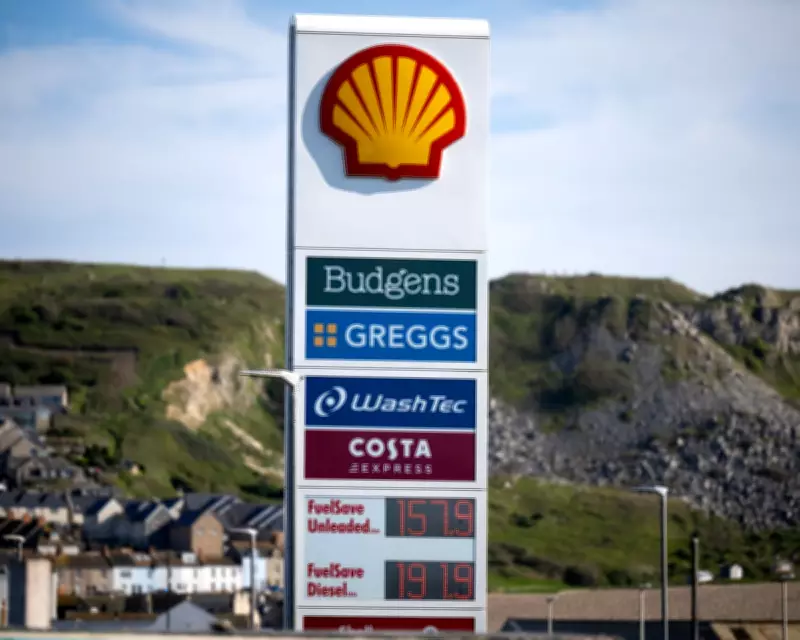
Petrol and diesel prices have skyrocketed as the conflict in the Middle East disrupts global energy markets. The closure of the critical Strait of Hormuz has throttled energy supplies, pushing the global oil price close to $100 per barrel. This geopolitical turmoil has directly translated into higher costs at the pump for UK consumers, with the average price of petrol increasing by 8.6p per litre to 140.2p between February and March, reaching its highest level since August 2024. Similarly, diesel prices rose by 17.6p per litre to 158.7p, the highest since November 2023.
Grant Fitzner, the chief economist at the Office for National Statistics (ONS), highlighted that inflation climbed in March primarily due to increased fuel prices, which experienced their largest rise in over three years. He noted, "Air fares were another upward driver this month, alongside rising food prices." The ONS data revealed that overall transport prices, including motor fuel and air fares, increased by 4.7% in the year to March, up from 2.4% in the previous 12-month period, hitting the fastest annual rate since December 2022.

Economic Warnings and Government Response
The International Monetary Fund has issued a stark warning, indicating that Britain faces the sharpest growth slowdown and joint highest inflation rate among G7 nations this year. The ongoing war in the Middle East threatens to trigger a global recession, exacerbating economic challenges. Despite the government's target of 2% inflation, the current headline rate remains elevated, prompting concerns about prolonged high inflation becoming entrenched.
Chancellor Rachel Reeves addressed the situation, emphasizing the government's commitment to mitigating the impact on consumers. "This is not our war, but it is pushing up bills for families and businesses. That's why it's my number one priority to keep costs down," she stated. Reeves added that the government's economic plan is designed to strengthen the UK's position in supporting families during this crisis. Prior to the conflict, inflation had been projected to fall sharply in April due to measures from the autumn budget, including cuts to energy bills. However, forecasters now anticipate inflation will remain stubbornly high throughout the year due to the mounting economic damage from the war.
Future Outlook and Expert Predictions
Economists are closely monitoring developments in the Middle East, as the trajectory of inflation will heavily depend on the conflict's resolution. Martin Beck, chief economist at WPI Strategy, commented, "How far inflation rises from here will depend heavily on developments in the Middle East. If recent signs of diplomatic progress translate into a sustained easing in tensions and energy supplies normalise, inflation could peak at about 3.5-4% this summer. But a renewed escalation could just as easily push inflation towards 5%."
The Bank of England left interest rates unchanged last month but cautioned that prolonged conflict and disruption to global energy markets could necessitate future rate hikes to curb inflation. With fuel prices continuing to rise sharply, economists predict a further increase in the headline inflation rate for April, underscoring the ongoing economic uncertainty fueled by geopolitical tensions.






