

UK Inflation Rises to 3.4% in December, Halting Five-Month Decline
Inflation in the United Kingdom has risen for the first time in five months, reaching 3.4% in December according to official figures released by the Office for National Statistics (ONS). This increase from November's 3.2% reading suggests the Bank of England will likely maintain current interest rates when its Monetary Policy Committee meets in February.
Key Drivers Behind the Inflation Increase
The annual inflation rate, measured by the Consumer Prices Index (CPI), showed an unexpected uptick that exceeded City economists' forecasts of a modest rise to 3.3%. This follows a period of decline in October and relative stability during the previous three months.
Several factors contributed to December's inflation increase:

- Air fares experienced their typical seasonal jump during the Christmas period, with comparisons made against particularly low levels in 2024
- Higher duties on tobacco products pushed up the overall reading
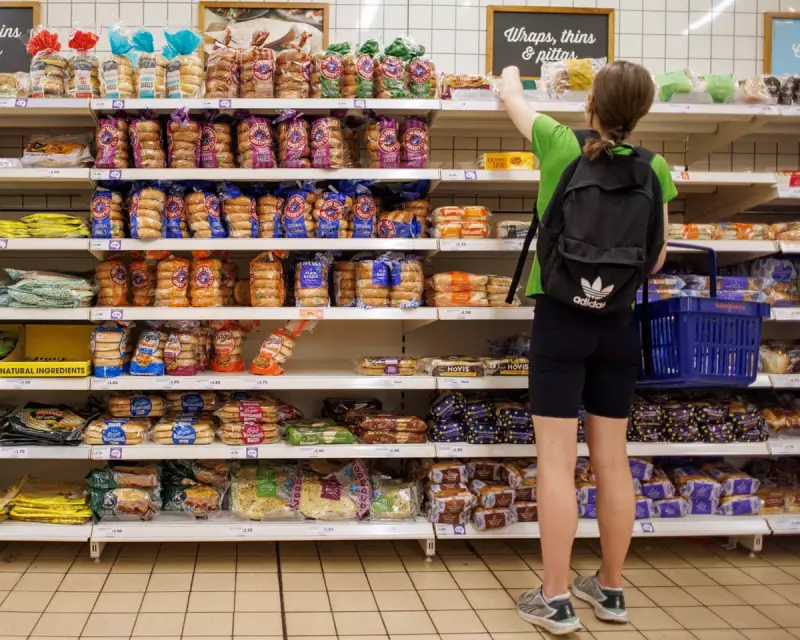
- Rising food costs, particularly for bread and cereals, provided additional upward pressure
Grant Fitzner, the ONS chief economist, commented: "Inflation ticked up a little in December, driven partly by higher tobacco prices. Rising food costs, particularly for bread and cereals, were also an upward driver."
Implications for Monetary Policy and Interest Rates
The inflation data has significant implications for the Bank of England's monetary policy decisions. Most economists now believe the figures effectively eliminate the possibility of an interest rate cut in February, with the Bank expected to maintain rates at their current level of 3.75%.
Yael Selfin, chief economist at KPMG UK, noted: "This likely closes the door on a February interest rate cut, although rate cuts later in the year are still expected."
Selfin added that despite services inflation increasing in December, this was not primarily driven by domestically generated price pressures but rather by volatile categories like air fares. The Monetary Policy Committee is expected to consider this context, particularly given that wage growth continues to slow, which should help ease services inflation in coming months.
Government Response and Future Outlook
Chancellor Rachel Reeves, who made tackling the cost of living a key priority in November's autumn budget, responded to the inflation figures by pledging that 2026 would be the "year that Britain turns a corner" on inflation.
The Chancellor highlighted several measures implemented to address living costs:
- A £150 reduction in energy bills for households
- The first freeze to rail fares in thirty years
- A second consecutive year of frozen prescription charges
- An increase to both the national minimum wage and living wage
Despite December's increase, inflation remains on a generally downward trajectory since September's 3.8% reading. The Bank of England anticipates inflation will approach its 2% target by mid-year, supported by government measures including relief on energy bills, prescription charges, and fuel duty.
Broader Economic Context
Core inflation, which excludes more volatile items such as energy and food, remained stable at 3.2% in November, matching the previous month's reading. This suggests underlying price pressures may be moderating.
Recent employment figures released on Tuesday provide additional context, showing wage growth slowing to 4.5% in the three months to November, down from 4.6% in the three months to October. This slowing wage growth indicates inflationary pressures on the UK economy may be softening, despite December's headline increase.
The combination of these factors creates a complex economic picture as policymakers balance concerns about inflation against broader economic stability and growth prospects.






