

IMF Chief Warns AI 'Tsunami' Will Hit 60% of Advanced Economy Jobs
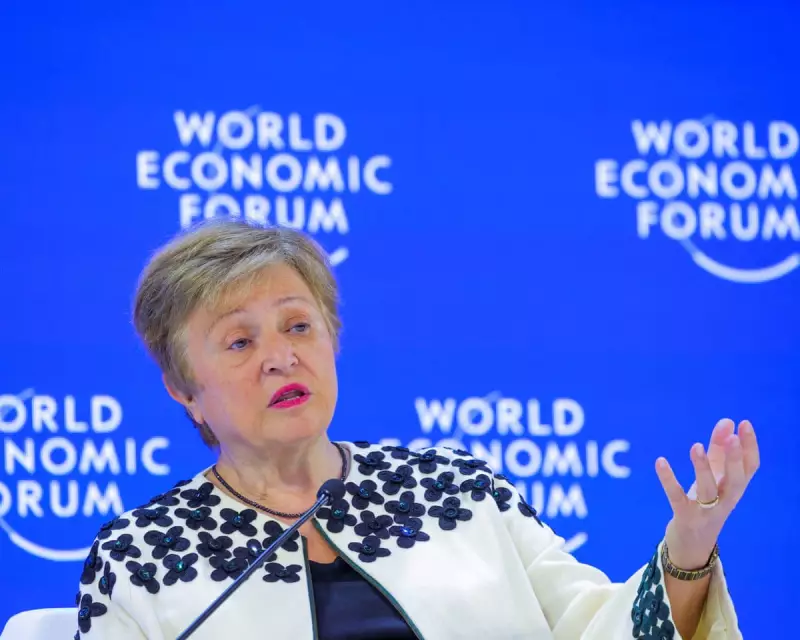
Kristalina Georgieva, the head of the International Monetary Fund, has issued a stark warning that artificial intelligence will act as a "tsunami hitting the labour market", with young people expected to bear the brunt of the disruption. Speaking at the World Economic Forum in Davos, she revealed that IMF research indicates 60% of jobs in advanced economies will be affected by AI in the coming years, either through enhancement, elimination, or transformation.
Young Workers Face Greatest Risk from AI Disruption
Georgieva emphasised that while AI has already enhanced approximately one in ten jobs in advanced economies—often leading to higher pay and local economic benefits—the technology poses a severe threat to entry-level positions typically filled by younger workers. "Tasks that are eliminated are usually what entry-level jobs do at present, so young people searching for jobs find it harder to get to a good placement," she explained. This shift could exacerbate challenges for those starting their careers, as many traditional roles are wiped out by automation.
Middle Class Squeeze and Regulatory Concerns
The IMF chief also highlighted risks for the middle class, predicting that workers whose jobs are not directly changed by AI may face pay cuts without corresponding productivity gains. "So the middle class, inevitably, is going to be affected," Georgieva stated. She expressed deep concern over the lack of adequate regulation, urging faster action to ensure AI development is safe and inclusive. "Wake up, AI is for real, and it is transforming our world faster than we are getting ahead of it," she warned, calling for urgent global cooperation to manage the impending changes.

Global Leaders Echo AI Warnings at Davos
The debate at Davos extended beyond Georgieva's remarks, with other leaders weighing in on AI's impact. Christy Hoffman, general secretary of the UNI global union, noted that AI's primary business goal is to increase productivity and lower costs, which often translates to job cuts. She advocated for fair distribution of productivity benefits and greater worker involvement in AI implementation. Meanwhile, Microsoft CEO Satya Nadella cautioned that AI could lose public support if its benefits are concentrated among a few tech giants, rather than contributing to broader societal gains like drug development.
Economic and Geopolitical Challenges
European Central Bank President Christine Lagarde, speaking on the same panel as Georgieva, warned that growing mistrust between economies—exacerbated by US tariff barriers—could hinder the AI boom. Lagarde pointed out that AI is capital, energy, and data intensive, requiring international cooperation to thrive. "We are dependent on each other," she said, stressing the need for new global rules to prevent reduced capital and data flows. While Canadian Prime Minister Mark Carney spoke of a permanent economic "rupture", Lagarde offered a more nuanced view, suggesting alternatives rather than outright breakdown.
The discussions at Davos underscore a pressing need for proactive measures to address AI's labour market impacts, with a focus on protecting vulnerable workers and fostering inclusive growth. As Georgieva concluded, the rapid pace of AI transformation demands swift regulatory and economic responses to mitigate its disruptive effects.






