

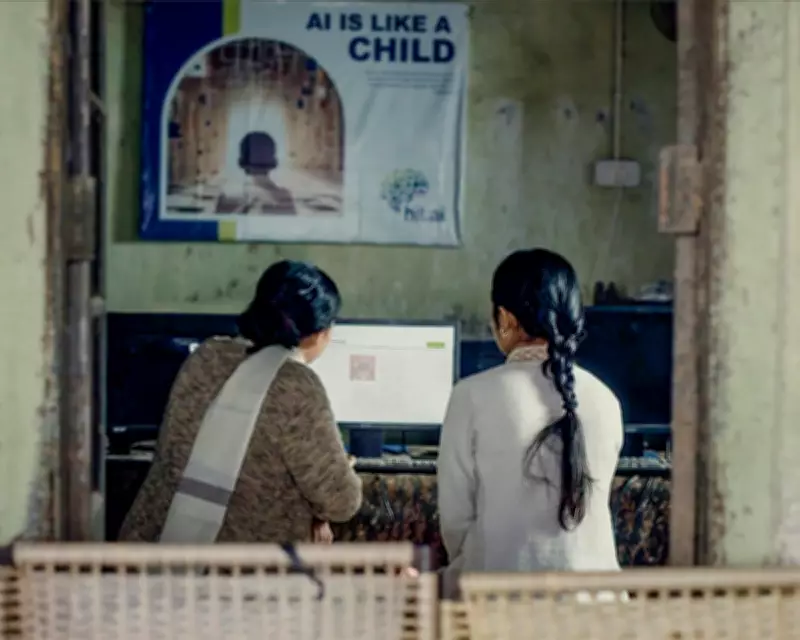
India's Female AI Moderators Face Psychological Toll from Traumatic Content
In a disturbing revelation from India's burgeoning tech sector, female workers are being exposed to hours of abusive and violent content daily as part of their roles in training artificial intelligence systems. This practice, which involves reviewing and categorising material to improve AI moderation algorithms, is taking a severe psychological toll on the employees involved.
The Daily Grind of Digital Trauma
These workers, often employed by outsourcing firms that serve global technology companies, spend their shifts sifting through a relentless stream of hate speech, graphic violence, and explicit imagery. The content is used to teach AI models how to identify and filter out harmful material on social media platforms and other digital services. However, the human cost of this process is becoming increasingly apparent.
One worker described the experience as leaving her feeling "blank" and emotionally drained, a sentiment echoed by many of her colleagues. The constant exposure to such distressing material can lead to symptoms akin to post-traumatic stress disorder, including anxiety, depression, and insomnia. Despite this, there is often little psychological support provided by employers, with workers expected to manage the emotional fallout on their own.

Ethical Concerns in the AI Industry
This situation highlights significant ethical issues within the global AI industry, particularly regarding labour practices in countries like India, where lower labour costs make such work economically viable for multinational corporations. Critics argue that the tech sector is outsourcing not just jobs, but also the psychological burden of content moderation, without adequate safeguards for worker wellbeing.
The lack of regulation and oversight in this area means that many of these roles are performed in environments with minimal mental health resources. Workers may not receive proper training on coping mechanisms or have access to counselling services, leaving them vulnerable to long-term psychological harm.
The Broader Implications for AI Development
As AI systems become more integrated into daily life, the demand for human-labelled data to train them is growing exponentially. This has created a hidden workforce, often in developing nations, who bear the brunt of ensuring that AI behaves appropriately. The case of India's female moderators underscores the need for greater transparency and ethical standards in how this data is collected and processed.
There are calls for technology companies to take more responsibility for the welfare of these workers, including implementing better support systems, limiting exposure times, and ensuring fair compensation for the traumatic nature of the work. Without such measures, the human cost of AI advancement may continue to be overlooked.
Looking Ahead: A Call for Change
The plight of these workers serves as a stark reminder of the human element behind automated systems. As the AI industry continues to expand, it must address the ethical dimensions of its supply chain, particularly in regions where labour protections may be weaker. Ensuring the mental health and dignity of those who train AI is not just a moral imperative but essential for sustainable technological progress.






