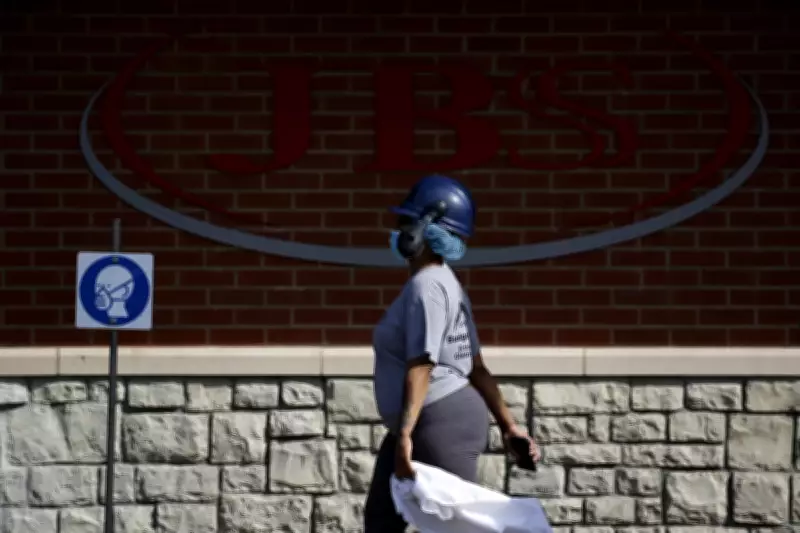
JBS USA Meatpacking Plant Strike: Workers Protest Amid Trump Era Labor Tensions
A significant strike has erupted at a JBS USA meatpacking plant, with workers walking off the job to protest labor conditions and safety concerns. This industrial action underscores growing tensions in the meatpacking industry, particularly during the Trump administration, which has faced criticism for its handling of worker rights and corporate regulations.
Details of the Strike and Worker Grievances
The strike involves hundreds of employees at a key JBS USA facility, one of the largest meatpacking operations in the United States. Workers are demanding better wages, improved safety protocols, and enhanced benefits, citing long hours and hazardous working conditions as primary issues. The protest comes amid a backdrop of increased scrutiny on meatpacking plants, which have been hotspots for labor disputes and health violations in recent years.
Labor unions have rallied behind the strikers, organizing picket lines and calling for solidarity from other industry workers. The strike has disrupted production at the plant, potentially affecting meat supply chains and highlighting the critical role of these workers in the food industry. JBS USA, a subsidiary of the global meat giant JBS, has stated that it is negotiating with union representatives to resolve the dispute, but tensions remain high as workers vow to continue their protest until their demands are met.

Broader Context and Political Implications
This strike occurs during a period of heightened political focus on labor issues under the Trump administration. Critics argue that policies favoring deregulation and corporate interests have exacerbated worker grievances in industries like meatpacking. The administration's stance on immigration and labor laws has also impacted the workforce, with many plants relying on immigrant labor facing additional challenges.
The meatpacking industry has long been a flashpoint for labor activism, with previous strikes and protests drawing attention to low wages and unsafe conditions. This latest action at JBS USA reflects a broader trend of worker mobilization across the United States, as employees in various sectors push for better treatment and fair compensation. The outcome of this strike could set a precedent for future labor negotiations in the industry.
Impact on the Industry and Public Response
The strike has garnered significant media coverage and public support, with advocacy groups highlighting the plight of meatpacking workers. Concerns about food safety and supply chain stability have also been raised, as prolonged industrial action could lead to shortages and price increases for consumers. JBS USA faces pressure to address worker concerns swiftly to avoid further disruptions and reputational damage.
In summary, the JBS USA meatpacking plant strike is a pivotal event in the ongoing struggle for worker rights in America. It underscores the challenges faced by laborers in critical industries and the political dynamics shaping labor relations. As negotiations continue, the strike serves as a reminder of the importance of fair labor practices and the power of collective action in demanding change.