Labour Government Announces £3,000 Business Subsidy to Combat Youth Unemployment
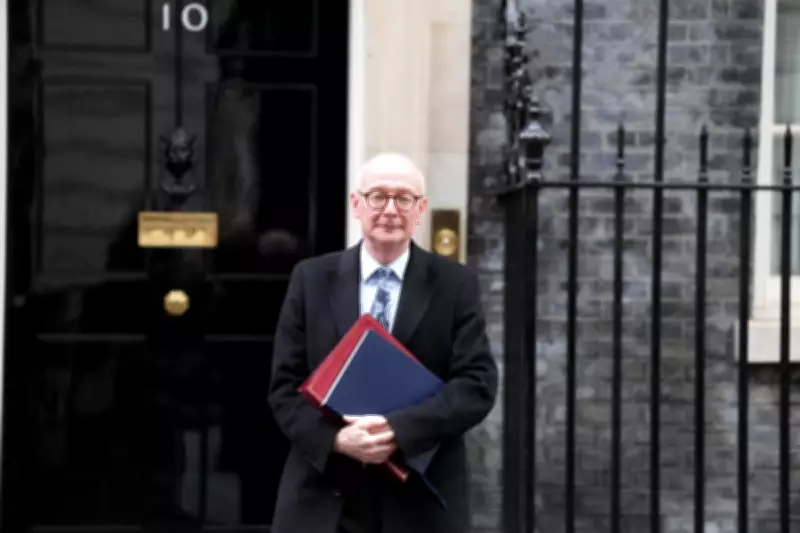
In a significant move to address the growing crisis of youth unemployment, the Labour government is preparing to launch a new £3,000 subsidy scheme for businesses that hire young benefits claimants. Work and Pensions Secretary Pat McFadden will unveil this initiative during a major speech on welfare reform scheduled for Monday in London.
Targeting the Neets Crisis
The subsidy program specifically targets employers who take on young people who have been on Universal Credit for less than six months. This policy represents a direct response to the alarming rise in the number of young people not in education, employment, or training (Neets), which is now approaching one million individuals nationwide.
The youth unemployment rate has soared to 16.1 percent, creating substantial concerns about the long-term impact on both the economy and public finances. The overall unemployment rate has also increased steadily since Labour took office, reaching 5.2 percent in the three months leading up to December.

Expanding Opportunities for Young People
Alongside the £3,000 subsidy, Labour will extend its youth job guarantee program to approximately 40,000 additional young people. According to reports, this expansion will create around 350,000 new training and workplace opportunities through various government initiatives.
The government will also introduce a series of new incentive policies specifically designed for small and medium-sized businesses regarding apprenticeships. These measures aim to stimulate hiring and provide practical pathways into employment for young people struggling to enter the workforce.
Overhauling the Skills Levy System
Labour will fulfill its manifesto commitment by overhauling the growth and skills levy, which faced substantial criticism under the previous Conservative government for inefficient use of funds. The reforms are expected to create a more effective system for developing workforce skills and supporting business growth.
Addressing Economic Pressures
The rise in unemployment has been attributed to multiple factors, including increased redundancies and a slight increase in economic activity rates. Some recruiters have pointed to Labour's tax policies and minimum wage increases as contributing factors to the challenging job market conditions.
Employers have faced particular pressure from the £25 billion increase in national insurance contributions, which has significantly constrained hiring budgets across various sectors. These economic realities have made the government's intervention particularly urgent.
Welfare Reform Challenges
The Office for Budget Responsibility has revised upward its welfare spending forecasts for the next five years, adding to concerns about the strain on public finances. The government hopes that upcoming reforms from both the Alan Milburn review into Neets and the Sir Stephen Timms review on disability benefits will help alleviate some of this pressure.
However, welfare reform has become a politically sensitive issue within the Labour party. Ministers have been cautious about discussing potential savings from major welfare reforms following last year's backbencher rebellion over plans to save approximately £5 billion from personal independence payments.
In a speech following last year's Budget, Prime Minister Sir Keir Starmer emphasized that welfare reform remains central to the government's strategy for driving economic growth. The upcoming announcements represent a crucial step in implementing this vision while addressing the immediate crisis of youth unemployment.