

Navigating the New Savings Landscape as Rates Begin to Fall
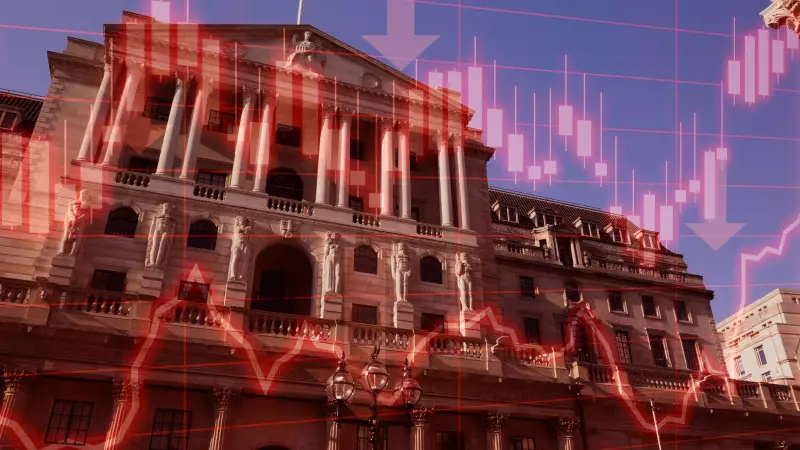
The start of a new year often prompts individuals to reassess their personal finances, making it an ideal moment to review savings strategies and protect the value of existing deposits. The economic backdrop has shifted considerably in recent years, with inflation finally cooling and monetary policy entering an easing phase. According to the Investec economics team, two rate cuts to the Bank of England base rate are forecast for 2026, potentially bringing it down to 3.25 per cent. This signals that the generous returns on cash savings which characterised the past two years may be coming to an end.
A Dramatic Shift in Interest Rate Environment
Following decades of negligible returns, cash emerged as an attractive asset class in its own right after the global pandemic. Rampant inflation led to successive interest rate hikes, allowing savers to achieve rates exceeding 5 per cent on easy access accounts and even higher on fixed-term products. Starting in late 2021, the base rate was raised repeatedly from approximately 0.10 per cent to 5.25 per cent by August 2023, creating the highest savings yield environment in nominal terms since the global financial crisis.
This favourable climate significantly boosted savings across the United Kingdom. Bank of England data reveals that total sterling cash deposits and savings held by UK households surpassed £1.9 trillion in October last year, a substantial increase from £1 trillion a decade earlier. However, that environment has now fundamentally changed. With inflation cooling and monetary policy beginning to ease, savers holding substantial liquidity face the pressing challenge of locking in attractive rates before inevitable reductions occur.

For many individuals, cash is dispersed across multiple accounts opened at different times, often at rates that are no longer available. Reviewing these balances is as crucial as rebalancing investment portfolios. It is essential to determine whether your savings pot maintains the appropriate balance between stability and necessary flexibility.
Rethinking Your Cash Savings 'Buckets'
When conducting a savings review, it is often helpful to visualise your funds as different pots, each with a clear and distinct purpose.
- Instant access: Money you may require at very short notice for emergencies or unexpected opportunities.
- Notice accounts: Funds earmarked for future plans but still accessible within a few weeks or months if necessary.
- Fixed-term accounts: Cash that will not be needed for a defined, specific period.
This structured approach helps avoid holding excessive cash that is earning too little or locking away money that might actually be required sooner than anticipated.
Instant Access Savings: The Essential First Line of Defence
Despite potentially lower rates, instant access savings accounts remain the cornerstone of a prudent financial plan. They hold emergency funds, cover everyday spending fluctuations, and enable swift action should an unexpected expense or opportunity arise. The decision regarding how much to hold in an instant-access account should be based on practical considerations rather than purely technical ones.
Ask yourself: Are there sufficient funds available if an urgent need materialises? Is too much money sitting in this bucket merely out of habit? Reviewing this balance once or twice annually can prevent significant sums from lying idle when they might be better deployed elsewhere within your savings structure.
Notice Savings Accounts: Introducing Structure Without Sacrificing Control
Notice accounts occupy a strategic middle ground between instant access and fixed-term savings. They require advance notice for withdrawal, which encourages increased financial discipline, while still ensuring funds remain within reach. These accounts work exceptionally well for planned expenses such as annual tax bills, home improvements, or larger purchases. The notice period necessitates forward thinking without resulting in a total loss of flexibility.

If your instant access pot has grown beyond what is genuinely required for day-to-day security, moving a portion into a notice account represents a straightforward method to make your savings work harder while maintaining overall control.
Fixed-Term Savings Accounts: Aligning Money with Key Life Moments
Fixed-term accounts involve committing to save for a predetermined period in exchange for a predictable, guaranteed return. They are most suitable for funds not required for some time. An effective strategy is to align the term with specific financial goals or milestones, such as a property purchase. Selecting a fixed-term account that matures around the time of a proposed significant expenditure can provide valuable clarity and peace of mind.
Many savvy savers also spread fixed-term accounts across a range of different maturity dates so that portions of their savings become available each year, thereby keeping their options open. This strategy, known as laddering, eliminates the need to predict precisely where interest rates will move. It serves as the fixed income equivalent of "pound cost averaging" in equities, as it helps mitigate the risk posed by adverse economic surprises.
Bringing It All Together: Constructing a Cohesive Savings Strategy
The ultimate objective is to ensure the right amount of cash is held in the right place. A healthy, resilient savings structure typically comprises enough instant access savings to cover emergencies and short-term requirements. This should be supported by a layer of notice accounts to manage foreseeable expenses, alongside core fixed-term savings aligned with your medium-term financial plans.
Purposeful Savings in a Continuously Changing Environment
Interest rates and financial products will undoubtedly continue to evolve, but the core questions remain constant: How much liquidity and flexibility do you truly require, and how much certainty are you comfortable locking in? Organising your savings around these fundamental principles, rather than reacting to fleeting offers or headlines, makes it possible to build a supportive, enduring long-term strategy. As 2026 unfolds, a deliberate and thoughtful rebalancing of your savings may prove one of the most effective tactics for achieving your future financial aspirations.
Important information: The views expressed are those of the contributors at the time of publication and do not necessarily represent the views of the firm and should not be taken as personal financial advice or recommendations. Investec Bank plc is authorised by the Prudential Regulation Authority and regulated by the Financial Conduct Authority and the Prudential Regulation Authority. Financial Services Register number 172330. Registered in England and Wales No. 489604. Registered office at 30 Gresham Street, London EC2V 7QP. Member of the London Stock Exchange.





