

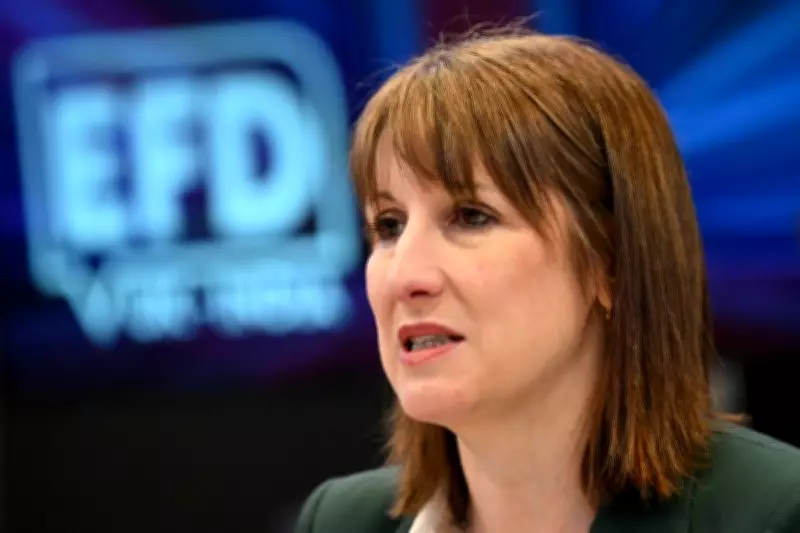
The United Kingdom's private sector has recorded its seventeenth straight month of job reductions in February 2026, with the services industry experiencing particularly severe workforce cuts. This sustained employment downturn comes as companies continue to grapple with the financial repercussions of Chancellor Rachel Reeves' 2024 Autumn Budget, which increased employer costs through higher national insurance contributions.
PMI Data Reveals Persistent Job Shedding
The latest flash Purchasing Managers Index (PMI) from S&P Global indicates that private sector job losses continued at what analysts describe as a "solid pace" during February, though the rate of decline was marginally slower than January's figures. While the overall PMI reading improved to 53.9 from 53.7, moving further above the 50-point threshold that signifies economic expansion, this growth has not translated into employment gains.
Services Sector Hit Hardest
The report highlighted a "particularly sharp drop" in payroll numbers within the services sector, which significantly outpaced job losses in manufacturing. This divergence underscores the uneven impact of current economic policies across different industries.

Chris Williamson, chief business economist at S&P Global Market Intelligence, explained the paradox: "Despite enjoying higher demand for goods and services, companies remain focused on boosting productivity to cut costs, resulting in yet another month of steep job losses to prolong the continual jobs downturn that was initiated by the 2024 Autumn Budget."
Tax and Wage Pressures Squeeze Businesses
Since Chancellor Reeves implemented a 1.2 percent increase in employers' national insurance contributions in her first budget, businesses across multiple sectors have reported diminished hiring appetite as operational costs have swelled. February data revealed that average cost burdens for private sector firms increased "sharply," with wage pressures identified as a primary driver.
Although the rate of price inflation eased to a three-month low, it remained above the survey average. The S&P Global report attributed this primarily to "another steep increase in business expenses across the service economy, which survey respondents mostly attributed to elevated wage pressures."
Youth Unemployment Crisis Deepens
Government policies face mounting scrutiny as unemployment figures continue to climb, particularly among younger workers. New data reveals that just over 16 percent of people aged 16 to 24 were registered as unemployed, dramatically higher than the national average of slightly above five percent.
During the final quarter of 2025, youth joblessness soared to 740,000, reaching an eleven-year peak. Bank of England policymaker Catherine Mann has suggested that "disproportionately big increases in the minimum wage for that age group" have contributed significantly to this troubling trend.
Political Promises Under Pressure
The escalating unemployment crisis has intensified examination of Labour's pre-election commitment to eliminate "discretionary age bands" in minimum wage policies. When questioned about whether the government might abandon or postpone this pledge given rising joblessness among younger generations, Chancellor Reeves avoided providing a direct answer.
Prime Minister Keir Starmer later reaffirmed the government's commitment, stating: "We've made commitments to young people in our manifesto, and we will keep to those commitments, including the commitment that we would make sure that the living wage would go up this April, which I can absolutely confirm to you will happen."
This political tension highlights the difficult balance between improving wage standards and maintaining employment opportunities, as businesses continue to adjust their workforce strategies in response to mounting financial pressures from both taxation and compensation requirements.






