Tory Minister Condemns Labour's 'Masculine' Job Ad Guidance as 'Patronising Gibberish'
Labour has faced sharp criticism from a top Conservative politician over new guidance that warns employers against using 'masculine' language in job descriptions. The guidance, issued by the Office for Equality and Opportunity on Wednesday, urges businesses to adopt more neutral, behaviour-based criteria in their hiring processes.
Guidance Targets 'Aggressive' Language
The document specifically recommends that companies avoid terms associated with male stereotypes, such as competitive, ambitious, and dominant. Instead, it suggests using neutral language and titles that focus on specific behaviours and competencies rather than character traits. The guidance also advises removing phrases that might deter female applicants, including requests to explain gaps in their CVs.
'Insulting to Women' Says Shadow Minister
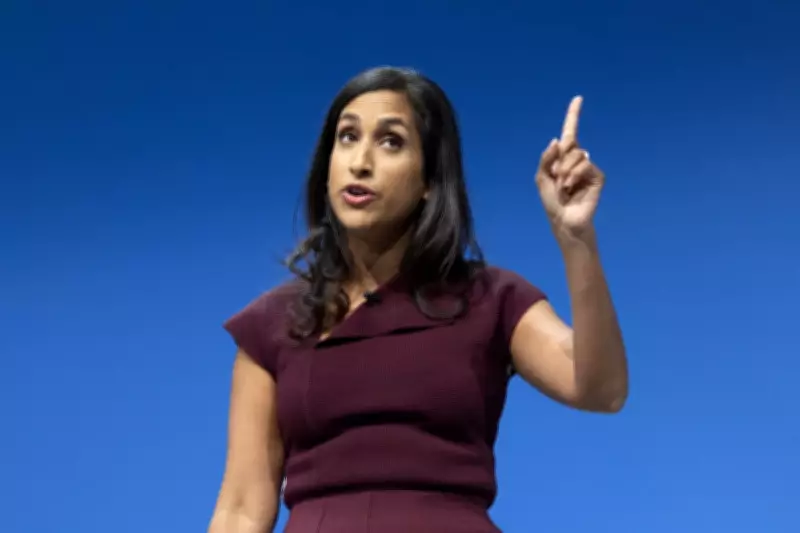
Shadow Minister for Equalities Claire Coutinho, who also serves as shadow energy secretary, launched a scathing attack on the guidance, labelling it 'pages of patronising gibberish' funded by taxpayers. She questioned the assertion that words like 'ambitious', 'entrepreneurial', or 'drives results' are too masculine for women, noting that the report itself found some men are also discouraged by such terms.

'Telling companies that women find the words 'ambitious', 'competitive' or 'entrepreneurial' too masculine is frankly insulting to women,' Coutinho stated. 'What if it's got nothing to do with being a woman, it's just a personality type?'
Criticism of Guidance's Practical Impact
Coutinho argued that the guidance fails to address genuine workplace challenges, asserting that 'businesses should be able to create their own workplace culture'. She insisted the new rules do not 'actually solve any problems', such as helping new mothers return to work, assisting older workers with retraining, or improving access to the arts for people from working-class backgrounds.
'It is poorly evidenced busy-work to justify some diversity officer's job,' she added, highlighting what she sees as a lack of substantive impact.
Context of Rising Unemployment
This controversy emerges against a backdrop of concerning employment figures. Recent data shows the unemployment rate for all workers at 5.2 per cent, significantly higher than in recent non-Covid years, with even higher rates among young people. The City is experiencing a notable jobs chill, with total vacancies falling to their lowest level since 2021, and London facing the most substantial drop in open roles.
The debate over language in job ads underscores broader tensions in employment policy, as political parties clash over approaches to diversity and economic recovery in a challenging labour market.