

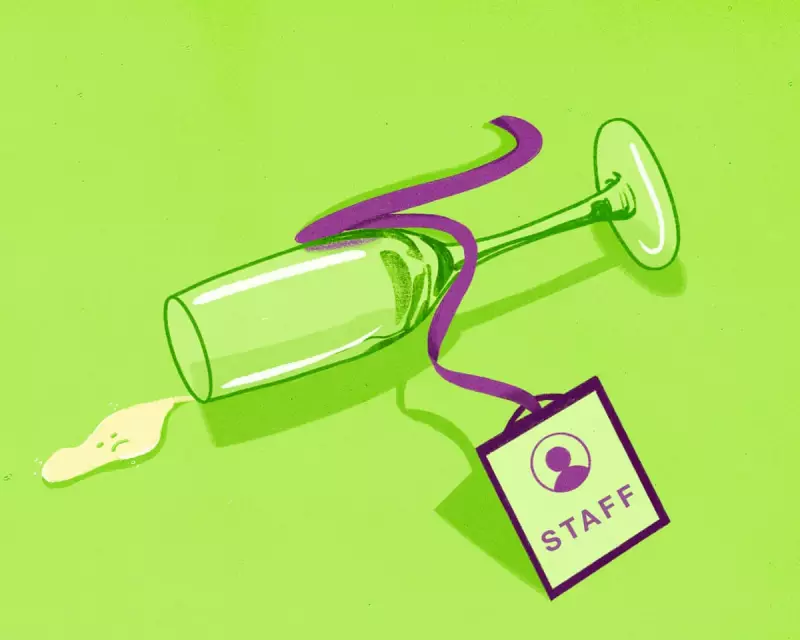
As the festive season approaches, a familiar sense of dread descends upon offices across the UK. Amidst the summer drinks and barbecues, a significant shadow looms: the annual office Christmas party.
The Psychosocial Hazard of Forced Festivity
For many employees, like writer Sunil Badami, the event represents a peculiar contradiction. While they may like their colleagues, they do not typically socialise with them outside of work for the rest of the year. The pressure to do so in December, a month already packed with social commitments, feels like an unnecessary burden. The party often becomes an extension of the workplace, where conversations inevitably circle back to work, other colleagues, or the boss, albeit over a paid-for drink.
Modern workplaces are increasingly alert to psychosocial hazards, with laws designed to protect staff. However, few regulations cover the awkwardness of making stilted small talk with people whose only common ground is the office. The requirement to appear enthusiastic about key performance indicators while the boss is in earshot turns what should be leisure into a performance.

Secret Santa and the Clock-Watching Culture
Another source of festive friction is the office Secret Santa. For individuals already stressed by finding gifts for loved ones, the obligation to buy for a colleague they barely know adds to the seasonal pressure. The potential to give or receive an inappropriate or disappointing gift creates anxiety, with many questioning if anyone has ever truly loved a Secret Santa present.
This creates a strange corporate hostage situation. Employers feel compelled to host a party, and employees feel obliged to attend, with many watching the clock, waiting for a socially acceptable moment to leave. The irony is palpable: staff may feel short-changed if no party is offered, yet they attend under duress, often needing a drink at home to recover from the enforced 'fun'.
A Call for Freedom from Forced Fun
The argument against the mandatory office Christmas party is gaining traction. For many, the event fails in its core purpose of boosting morale. If it feels like work, that's because, for all intents and purposes, it is. The suggestion from commentators like Badami is to scrap the obligatory party, along with contrived team-building days.
The proposed alternative is simple: let staff head home early to celebrate their freedom from work in their own way. This would provide genuine respite before the return to the daily grind in the second week of January, offering a more authentic and less stressful form of seasonal goodwill.






