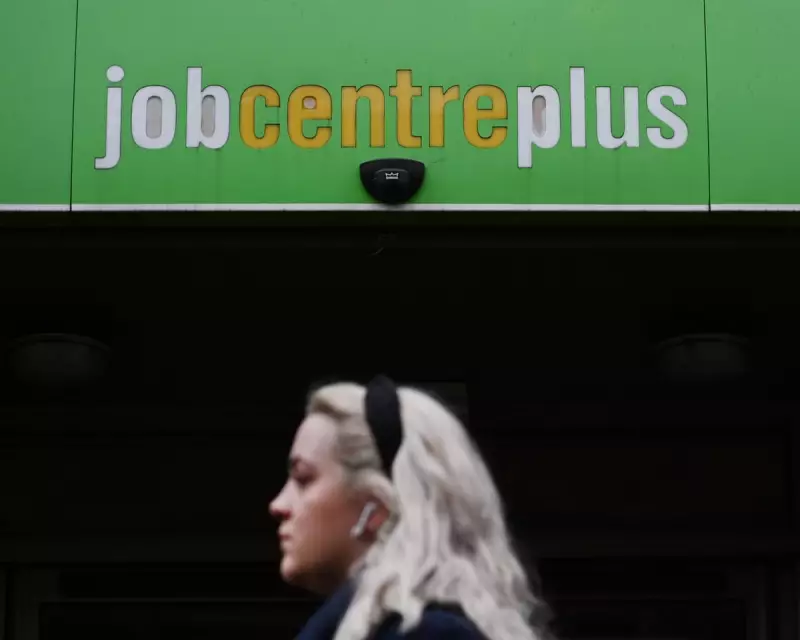
Britain's labour market is showing clear signs of a significant slowdown, with official figures revealing a sharp rise in unemployment, particularly among young people. The data presents a fresh challenge for policymakers and casts a shadow over the economic outlook for the coming year.
Young Workers Face the Sharpest Blow
The most striking detail from the Office for National Statistics (ONS) is the plight of 18- to 24-year-olds. The number of young people out of work in October reached 546,000, marking the highest level seen since 2015. This represents an increase of 85,000 in just three months.
Nye Cominetti, principal economist at the Resolution Foundation thinktank, highlighted the concerning trend. "Young people again find themselves at the heart of this downturn, just as they were in the wake of the financial crisis and Covid," he said. The figures suggest that efforts to support this demographic into work will need urgent reinforcement from both the government and employers.

A Broadening Jobs Market Downturn
The difficulties extend beyond the youth cohort. The overall UK unemployment rate for the three months to October climbed to 5.1%, a four-year high and 0.8 percentage points worse than the same period last year. Concurrently, the employment rate fell to 74.9%, moving the government further away from its stated ambition of an 80% employment rate.
Unlike the post-pandemic period, this deterioration is not being driven by a rise in economic inactivity, which has actually fallen to 21%. Instead, the focus is squarely on the relentless uptick in unemployment as job opportunities contract.
Real-Time Data Paints a Grimmer Picture
More timely indicators from the ONS, based on HMRC payroll data, suggest the situation may be worsening faster than the main survey shows. The annual growth rate of payrolled jobs turned negative in March 2025 and has continued to decline. The early estimate for November indicates a year-on-year loss of 0.6% of payrolled jobs, the most rapid decline since the peak of the Covid-19 crisis.
This period of decline coincided with the implementation of Chancellor Rachel Reeves's increase in employer National Insurance and a significant rise in the National Living Wage, factors which some analysts believe have contributed to the slowdown.
Implications for Policy and Interest Rates
The cooling jobs market is having a direct impact on wage growth, a key concern for the Bank of England. Annual growth in regular pay slowed to 4.6%, down substantially from 5.9% at the end of 2024. Real-time data suggests an even steeper fall to 2.7% in October.
This softening in pay pressures is likely to reassure the Bank's Monetary Policy Committee as it contemplates a potential cut in interest rates. A reduction in borrowing costs before Christmas, which the Chancellor has hoped for, now appears more plausible if upcoming inflation data remains benign.
However, the emerging narrative is shifting. While inflation dominated 2024, the accelerating downturn in the labour market is poised to become one of the biggest headaches for ministers in 2026. The government's plan to equalise the minimum wage for younger workers with the adult rate from April will now be scrutinised even more closely, with debates intensifying over whether it is the right policy for a weakening economy.