

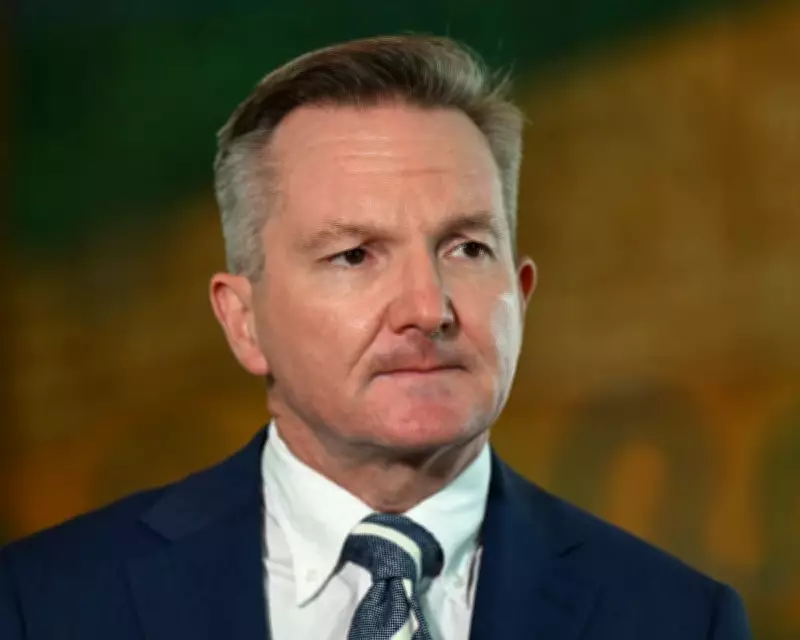
Australian Energy Minister Condemns Panic Fuel Purchasing as 'Un-Australian'
Australia's Energy Minister, Chris Bowen, has issued a stern call for citizens to cease panic buying petrol, labeling the recent rush to purchase jerry cans and stockpile fuel as "un-Australian." This appeal comes amidst a global oil price surge linked to the Middle East conflict, though Bowen asserts that the nation's fuel supplies have not yet been directly impacted by the overseas turmoil.
Emergency Meetings Address Price Gouging Concerns
Following an emergency meeting convened by the Australian Competition and Consumer Commission (ACCC) with major fuel suppliers and retailers, Bowen emphasized that while international uncertainties persist, fuel deliveries to Australia are proceeding as scheduled. He reported that all expected shipments of diesel, petrol, and jet fuel have arrived, with importers anticipating continued supplies well into April. However, the minister acknowledged the challenges of prolonged conflict, stating he cannot guarantee future stability if the war extends.
The ACCC meeting aimed to address government concerns over potential price gouging in the retail petrol sector, as prices have soared past $2.30 per litre in most state capitals. This spike correlates with a 40% increase in global oil prices over the past two weeks, driven by the Middle East conflict and the closure of the Strait of Hormuz, a critical shipping channel largely controlled by Iran.

Panic Buying Exacerbates Supply Issues
Bowen reiterated that panic buying is significantly worsening the situation, causing fuel shortages at dozens of petrol stations across Australia. He specifically criticized the trend of purchasing jerry cans from retailers like Bunnings, deeming it unhelpful and contrary to Australian values. The government has expressed alarm that some retailers may be exploiting the crisis through price gouging, while regional outlets have reported stockouts due to prioritized supply to regular customers and insufficient replenishment rates.
To mitigate the crisis, authorities have implemented several measures, including allowing fuel companies to temporarily sell lower-quality petrol and release approximately one-fifth of their mandatory stockpiles, with a focus on regional areas. Additionally, the ACCC chair, Gina Cass-Gottlieb, confirmed that the regulator is closely monitoring the market and stands ready to use its powers to facilitate effective fuel distribution nationwide.
State Governments Take Action
State-level responses have intensified, with Victoria's Premier, Jacinta Allan, convening an emergency cabinet subcommittee and an industry forum with fuel suppliers, business groups, and agricultural representatives. Consumer Affairs Victoria conducted 289 inspections of petrol stations, identifying 23 unregistered stations and 16 failing to report prices accurately. In New South Wales, crisis talks with fuel suppliers and key industries led to agreements on enhanced information sharing to direct fuel to areas of greatest need.
Despite these efforts, regional and independent petrol stations continue to face difficulties accessing fuel, as suppliers prioritize larger, consistent buyers over smaller entities reliant on spot market purchases. Bowen refrained from speculating on potential fuel rationing but assured that the government is working tirelessly to address any supply chain disruptions.
As the situation evolves, Australians are urged to avoid panic buying to prevent further strain on the fuel distribution network, ensuring that supplies remain accessible for essential services and daily needs during this period of international uncertainty.






