

Australian Leaders Urge Calm Amid Fuel Fears Over Middle East Conflict
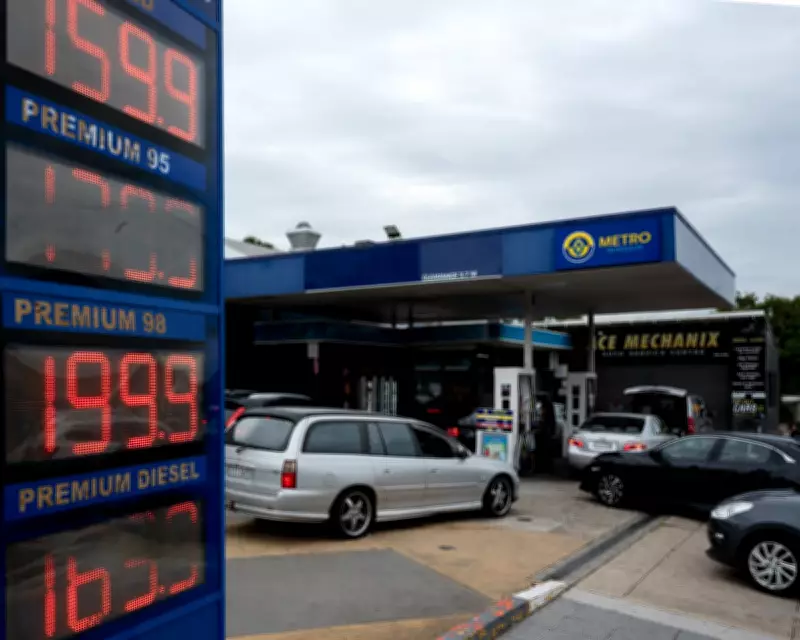
Political leaders in Australia have issued a firm plea to citizens in recent days, urging them to avoid panic-buying petrol. This call comes amid growing fears of price spikes and potential shortages triggered by the ongoing conflict in the Middle East. The situation has sparked concerns among motorists, leading to reports of long queues at service stations and some outlets running low on supplies.
Reassurance from Government Officials
Treasurer Jim Chalmers emphasized on Wednesday that there is no need for alarm, stating directly, "There is no need to panic-buy petrol." His comments aimed to reassure Australians that the nation is not on the brink of a fuel crisis, despite the escalating tensions involving the US, Israel, and Iran. Energy Minister Chris Bowen echoed this sentiment on Tuesday, advising that panic-buying would only exacerbate the situation, drawing parallels to the toilet paper shortages experienced during the Covid pandemic.
Impact of Middle East Tensions on Global Oil Supply
The conflict has led to attacks on Iran and retaliatory measures, effectively closing the Strait of Hormuz. This critical waterway accounts for approximately one-fifth of the world's seaborne crude oil supply. As a result, energy commodity prices have surged, posing a direct threat to fuel affordability and availability. Australia, which imports about 90% of its liquid fuel—including petrol, diesel, and aviation fuel—relies heavily on refineries in Singapore, South Korea, and Japan. These refineries, in turn, depend on Middle Eastern crude oil, highlighting a significant vulnerability in the nation's supply chain.

Australia's Strategic Fuel Reserves
To address such vulnerabilities, Australia maintains a strategic reserve of petroleum products. Since 2023, importers and refiners have been legally required to hold minimum stock levels. According to recent data, the country currently has reserves equivalent to 36 days of petrol, 34 days of diesel, and 32 days of jet fuel. Energy Minister Bowen highlighted these figures, noting that they provide a buffer against supply disruptions. A 2020 government review assessed that fuel supplies would likely remain unaffected if disruptions were resolved within six months, assuming international emergency stocks are released.
Historical Context and Current Refinery Capacity
Over the years, Australia's domestic refining capacity has significantly declined, dropping from 12 refineries to just two, both of which receive government support. This reduction reflects a broader trend of reliance on cheaper imported fuels, a strategy pursued by successive governments. However, in an era focused on economic security, this dependence now appears as a potential weakness. Experts like Tony Wood from the Grattan Institute argue that with increasing geopolitical instability, it may be time to reconsider whether current reserve levels are adequate.
Future Outlook and Recommendations
While there is no immediate threat of fuel running out, the situation underscores the importance of robust strategic planning. If Australia were completely cut off from imports, current reserves could last until early April, assuming consumption rates remain constant. However, officials stress that such a scenario is unlikely, and the primary concern remains price volatility rather than absolute shortage. Moving forward, policymakers may need to evaluate increasing reserve capacities to enhance national security and mitigate risks in an unpredictable global landscape.






