

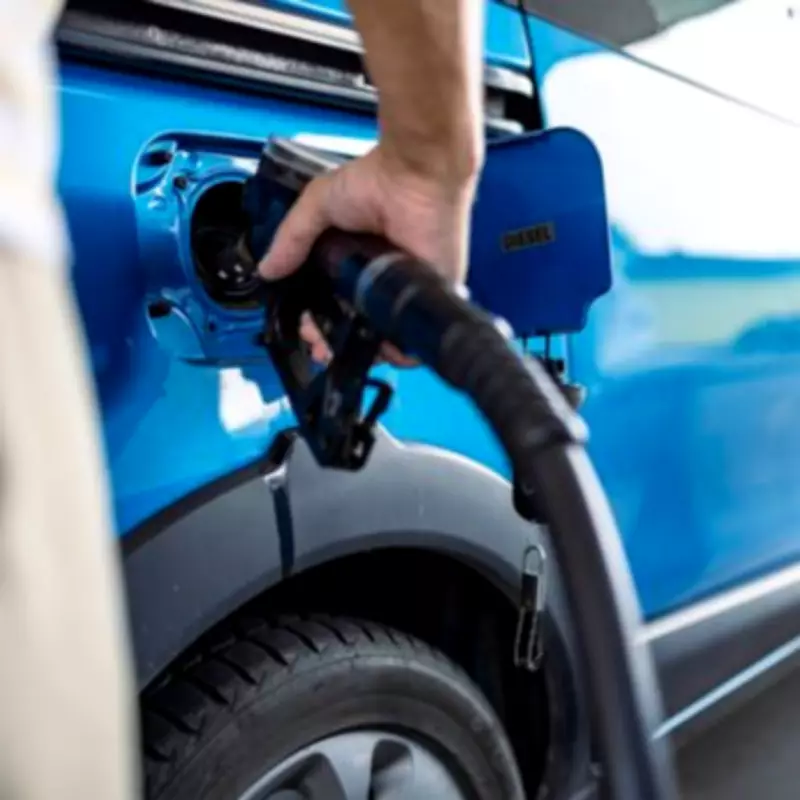
Drivers Urged to Avoid Panic Buying as Middle East Conflict Impacts Fuel Prices
Motorists across the country are being strongly advised not to engage in panic buying at petrol stations, following expert warnings that fuel prices may rise due to the ongoing conflict in the Middle East. As the conflict enters its fourth day, global oil prices have surged significantly, with industry analysts forecasting that this upward trend could impact forecourt prices in the coming weeks.
However, drivers are being encouraged to stick to their usual refueling routines, as it typically takes time for increased wholesale costs to translate into higher pump prices. The public can check the latest petrol and diesel prices at local pumps using available online tools and price comparison gadgets.
Expert Analysis and Market Context
Luke Bosdet, a spokesperson for the AA, provided context on the current situation. "Pump prices are heading up – wholesale costs had been increasing even before the weekend's strikes on Iran. However, pump averages today are still below where they started the year and petrol is almost 6.5p a litre cheaper than this time last year."

He elaborated further, noting that this makes a full tank of petrol more than £3.50 cheaper than in early March 2025. Bosdet reported that while the fuel trade has observed some increased demand, which was anticipated, most drivers are heeding advice to maintain their regular refueling habits. "There's no point wasting time, fuel and money queuing when drivers don't need to." The AA confirmed that this heightened demand has not led to queues spilling onto roads, indicating that the situation remains manageable.
Timeline of Price Impacts and Retailer Responsibilities
Simon Williams, head of policy at the RAC, explained that the effects of oil price increases should not be immediately noticeable at the pumps. "We really shouldn't see a shock jump in prices at the pumps as wholesale fuel costs had only been rising gradually in recent weeks. Even though the price of dated Brent crude rose by five dollars a barrel yesterday to 78 dollars, the impact of this shouldn't be felt for over a week."
Williams urged retailers to act responsibly by resisting the temptation to increase fuel prices for stock already stored in forecourt tanks. "Knowing the tendency for price increases to be passed on far more quickly than cuts, on behalf of drivers we urge retailers not to put up the price of fuel they've already got in forecourt tanks and reflect any increases in wholesale fuel fairly on the forecourt."
Economic Implications and Calls for Government Action
Gordon Balmer, executive director of the Petrol Retailers Association, issued a clear warning that pump prices will inevitably rise. "The conflict in the Middle East has increased the wholesale cost of petrol and diesel, which will mean pump prices will have to go up. Rising fuel prices hurt the economy in the form of higher inflation, impacting already hard-pressed household budgets."
In response to this economic pressure, Balmer announced that he is writing to the Chancellor to urge the abandonment of planned fuel duty increases. This move aims to provide relief for motorists and businesses facing higher costs, highlighting the broader economic consequences of fuel price volatility.
The overarching message from industry experts remains consistent: while fuel prices are set to increase due to geopolitical tensions, panic buying is unnecessary and counterproductive. Drivers are best served by continuing their normal refueling patterns, allowing the market to adjust without artificial demand spikes.






