

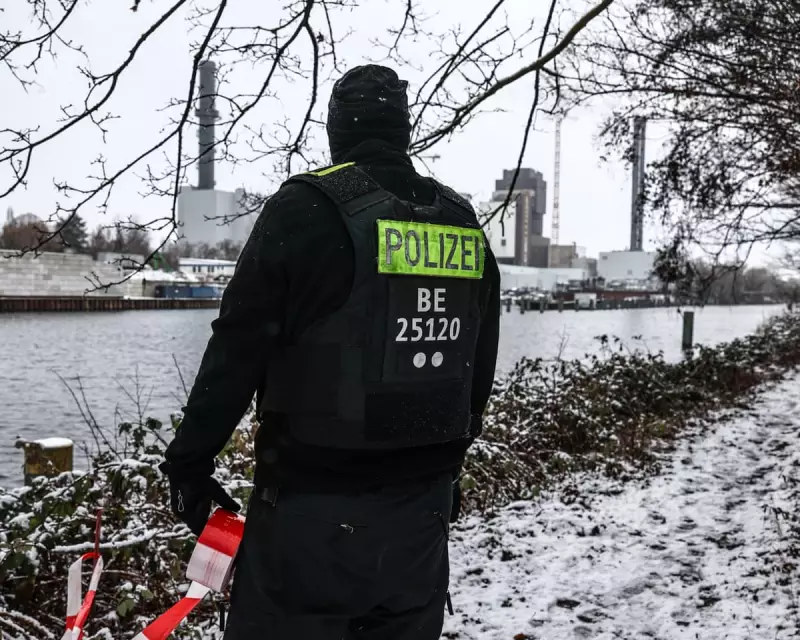
Tens of thousands of Berlin residents are facing a prolonged blackout and potential loss of heating after a suspected arson attack severely damaged critical power infrastructure over the weekend.
Fire Cripples High-Voltage Cables
Emergency services were called in the early hours of Saturday to a bridge near the Lichterfelde power plant in south-west Berlin, where several high-voltage cables were engulfed in flames. Firefighters managed to extinguish the blaze, but not before it caused extensive damage.
The grid operator, Stromnetz Berlin, confirmed that approximately 45,500 households and 2,200 businesses were immediately plunged into darkness. The incident has also impacted the local district heating system, which relies on electricity, leaving many without a source of warmth as snow blankets the capital and temperatures hover around freezing.

Repair Work Hampered by Freezing Conditions
Authorities have stated that the damage is so severe that around 35,000 homes will remain without power until Thursday afternoon. While some households may see electricity restored by early Sunday, the majority face a days-long wait.
Franziska Giffey, Berlin’s senator for economic affairs, described the situation as "a particularly serious power outage" affecting vital services, including care facilities, hospitals, and social institutions. Repair crews are facing significant challenges, with freezing weather hindering efforts to lay new underground cables, a process Stromnetz Berlin warned would "take a very long time".
Police Investigate Arson as Sabotage Fears Linger
Approximately 160 police officers were deployed to the scene in Lichterfelde, with an investigation launched on suspicion of arson. Authorities used loudspeaker vans to advise residents in affected areas to stay with friends or relatives if possible, conserve mobile phone batteries, and keep torches handy.
The outage has caused local disruption, with electronic information signs and ticket machines at train stations failing, although services continued to run. This incident echoes a similar event in September, when tens of thousands in Berlin lost power after a fire on electricity pylons, which police also suspected was arson. An unnamed anarchist group claimed responsibility for that attack online.
The event has heightened concerns in Germany, which remains on high alert for sabotage targeting critical infrastructure, with potential threats from foreign actors such as Russia frequently cited by security officials.






