

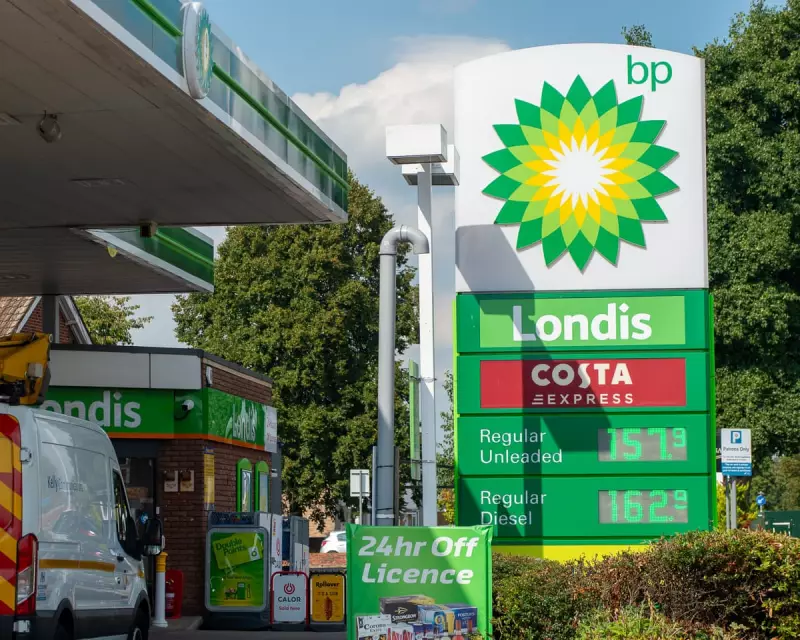
In a significant strategic reversal, British energy giant BP has signalled a renewed commitment to its core fossil fuel operations, announcing a substantial writedown on its green energy ventures. The company expects to write down the value of its gas and low-carbon energy divisions by up to $5 billion (£3.7 billion).
A Strategic Pivot Under New Leadership
The move underscores a clear shift in direction for the FTSE 100 company, which is refocusing on oil and gas under its new chair, Albert Manifold. This pivot follows a period of turbulence, including the surprise appointment last month of Meg O'Neill as its third chief executive in five years. O'Neill, who will join from Woodside in April, will be the first female head of a major oil firm.
BP stated that the massive impairment charges, related to its "transition businesses", will not affect its underlying profits when it reports full-year results in February. The company has been scaling back its green ambitions, which were championed by former CEO Bernard Looney before his 2023 dismissal. Recent actions include trying to sell a stake in its solar business, Lightsource, and cancelling hydrogen projects in the UK, Oman, and Australia.

Market Pressures and Trading Weakness
The announcement contributed to a dip in BP's share price, which fell by as much as 1.4% on Wednesday morning. The company also revealed a weaker performance from its oil trading arm in the final quarter of the year, mirroring a similar warning from rival Shell just days earlier.
This trading slump occurred against a backdrop of declining oil prices. BP reported the average price of Brent crude was $63.73 a barrel in Q4 2023, down from $69.13 in the previous quarter. Oil prices fell by almost 20% in 2023, their steepest annual drop since the pandemic. Recent weeks have seen added pressure from former US President Donald Trump's claims about rebuilding Venezuela's oil industry, stoking fears of a global glut. However, prices saw a slight rebound on Wednesday to $66.39 on fears of Iranian supply disruptions.
Debt Reduction and Industry Context
Amid these challenges, BP continues to strengthen its balance sheet. The company said it reduced its net debt to between $22bn and $23bn by the end of the quarter, down from $26bn three months prior.
Analysts suggest the writedown and weak trading set a challenging stage for incoming CEO Meg O'Neill. "Put the writedowns together with a weak showing for its oil trading arm... it looks like the final set of quarterly results before Meg O'Neill steps into the hot seat in April will be downbeat," said Dan Coatsworth of AJ Bell. He added that this provides her with a "low base from which to build" but illustrates the scale of the task ahead.
In a related industry development, Shell and Exxon Mobil simultaneously announced they had terminated a planned sale of North Sea natural gas assets to Viaro Energy, citing changed commercial conditions.






