

Starmer's £53m Oil Heating Subsidy Sparks Debate on State Intervention
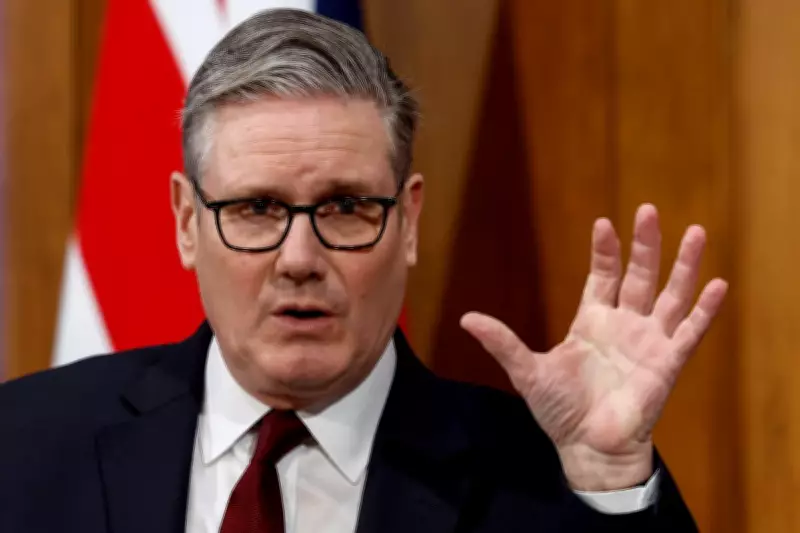
Prime Minister Keir Starmer has unveiled a £53 million support package aimed at vulnerable households that rely on oil as their primary heating source. Announced this week, the initiative is designed to assist those at immediate risk of losing hot water and heating, with funds distributed through local councils via the Crisis and Resilience Fund. Starmer argues this measure is essential to address genuine needs, particularly as heating oil prices have doubled in the past week, driven by brent crude rising from $73 to about $100 per barrel since the Iran War.
Questioning the Necessity of Government Handouts
However, critics contend that this subsidy fosters an unhealthy dependency on the state. With Britain's national debt already at £2.8 trillion, or over £74,000 per taxpayer, many question the justification for additional public spending. Approximately 1.5 million households in the UK use oil for heating, and while some may face financial strain, data suggests that even the poorest 10% of households spend around £2,500 annually on leisure activities such as alcohol, tobacco, recreation, and dining. In comparison, this group spends only £723 on gas and other fuels annually.
This disparity implies that modest adjustments to discretionary spending could cover increased oil costs without state intervention. For instance, reducing leisure expenses and slightly lowering home temperatures could mitigate the impact of price hikes. As March brings average temperatures of eight degrees in the North, alternatives like thick duvets and hot water bottles offer bearable and cost-effective solutions.

Alternatives to Subsidies and the Risk of Dependency
Subsidizing heating oil may discourage individuals from exploring cheaper warming methods, such as log fires, proper curtains, or electric blankets. Moreover, it perpetuates a cycle where people neglect personal savings, relying instead on government aid during crises. Statistics reveal that 25% of Britons have savings of £200 or less, yet even the poorest households allocate about £300 yearly to holidays and takeaways, indicating potential for better financial planning.
If the government consistently intervenes during so-called crises, it creates a false sense of security, undermining personal responsibility and long-term resilience. This approach not only burdens future generations with debt but also risks eroding self-sufficiency, as highlighted by Victorian philosopher Herbert Spencer's warning about shielding people from folly.
Moral and Economic Implications of the Subsidy
From a moral standpoint, borrowing £53 million to finance current heating needs parallels indebting future taxpayers, akin to a pensioner using a child's credit card for heating bills. While extreme cases might justify intervention to prevent freezing, most households have affordable alternatives. The subsidy reflects a broader trend of declining self-reliance, with many quick to seek state support rather than standing independently.
Ultimately, Starmer's package raises critical questions about balancing aid with accountability. As the productive class bears the cost of subsidizing others' habits, it underscores the need for policies that encourage savings and innovation over dependency, ensuring a sustainable approach to welfare in an era of fiscal constraints.






