

Cuba's Electrical Grid Collapses Amid US Oil Blockade Crisis
Cuba's national electrical grid has experienced a complete collapse, according to official statements from the country's grid operator, leaving approximately ten million people without power across the island nation. This catastrophic failure represents the latest development in an escalating energy crisis that has been exacerbated by stringent United States oil sanctions and blockade measures targeting the communist-run Caribbean nation.
Widespread Blackouts Spark Violent Protests
The grid operator UNE announced via social media on Monday that authorities were actively investigating the causes of this massive blackout, which follows a series of increasingly severe and prolonged power outages that have plagued Cuba for months. These electrical failures, which frequently last for hours or even days without resolution, recently sparked rare violent protests across the country just last weekend as citizens' frustration with deteriorating living conditions reached a boiling point.
The current collapse represents the most severe manifestation yet of Cuba's deepening energy crisis, with the island's already obsolete power generation system buckling under the pressure of comprehensive US sanctions that have effectively strangled fuel imports. The United States has dramatically intensified pressure on its longtime geopolitical adversary throughout this year, particularly following the capture of Venezuelan President Nicolás Maduro in January.

US Sanctions Strangle Cuba's Energy Infrastructure
President Donald Trump has implemented aggressive measures targeting Cuba's energy sector, including cutting off Venezuelan oil shipments that previously served as Cuba's primary fuel source and threatening punitive tariffs against any nation that attempts to sell petroleum products to the island. These actions have created what experts describe as an effective energy blockade that has paralyzed Cuba's antiquated electrical infrastructure.
Cuban officials confirmed on Friday that diplomatic talks with the United States were underway in hopes of defusing the escalating crisis, though Trump has repeatedly stated in recent weeks that he believes Cuba is on the verge of complete collapse and appears eager to negotiate a settlement favorable to American interests. The US president made particularly provocative comments on Monday, telling White House reporters that he anticipated having "the honour of taking Cuba" while describing the nation as "very weakened" and suggesting he could "do anything" with the island nation.
Critical Fuel Shortages Paralyze Power Generation
According to exclusive Reuters analysis of LSEG ship-tracking data released on Monday, Cuba has received only two small vessels carrying oil imports throughout the entire year. The first tanker discharged fuel at Havana's port in January after traveling from Mexico, which had previously served as a regular supplier to the island before sanctions intensified. The second vessel arrived from Jamaica in February carrying liquefied petroleum gas, commonly known as cooking gas, rather than the crude oil or fuel oil necessary for power generation.
Venezuela, once Cuba's most important foreign benefactor and primary oil supplier, has sent absolutely no fuel shipments to the island this year, according to multiple independent analyses. While Venezuela's state oil company PDVSA reportedly loaded gasoline onto a tanker last month that had previously transported fuel to Cuba, monitoring data confirms the vessel never departed Venezuelan territorial waters.
Satellite imagery analysis conducted by TankerTrackers.com reveals that no significant fuel imports have entered Cuba through its main energy hubs of Matanzas or Moa this year. These ports typically handle crude oil for refining and fuel oil specifically designated for power generation. Additionally, the ports of Havana and Cienfuegos have shown no import activity whatsoever for more than a month, indicating a complete breakdown in Cuba's energy supply chain.

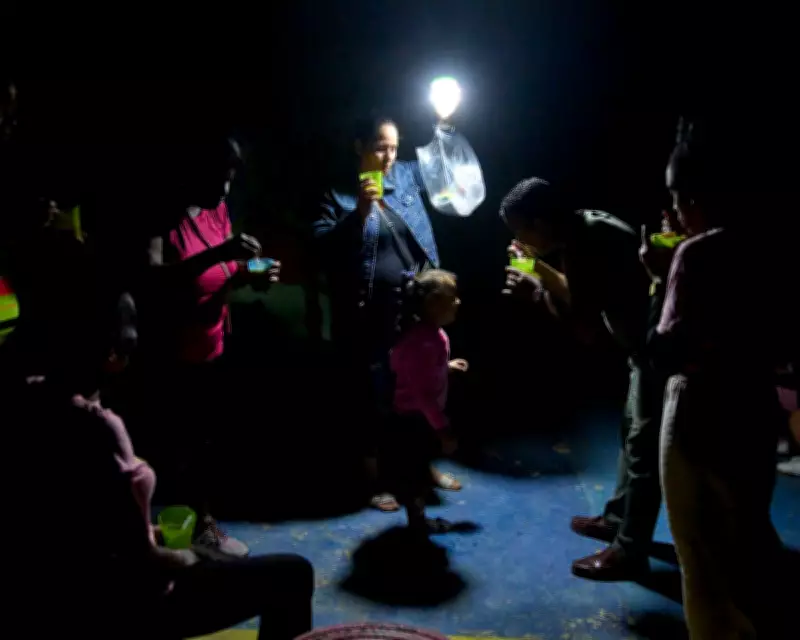
The human impact of this crisis was visibly demonstrated on March 4th when residents of Havana were photographed eating cups of soup outside during a blackout, illustrating the daily challenges facing millions of Cubans as their nation's infrastructure continues to deteriorate under mounting international pressure and internal strain.





