

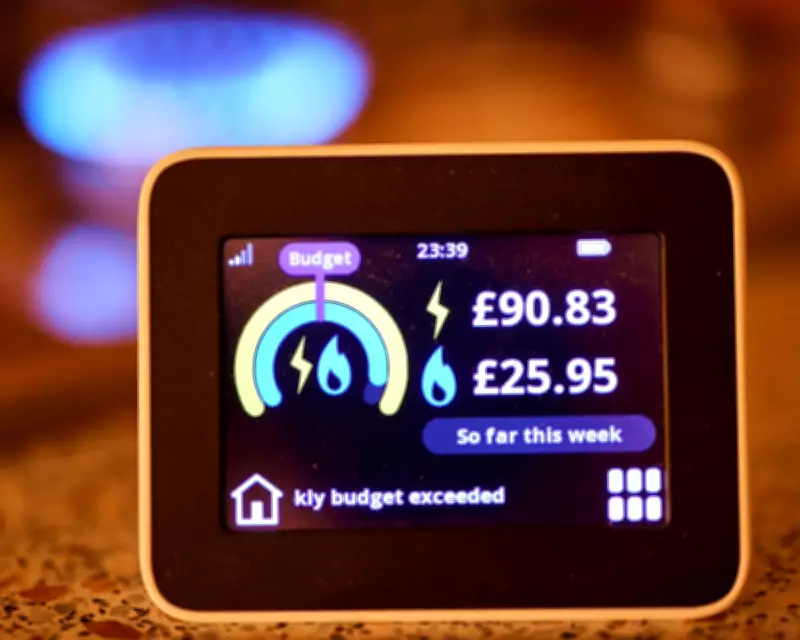
Energy Bills Set for £117 Reduction from April as Ofgem Adjusts Price Cap
The energy regulator Ofgem has announced a significant reduction in the price cap, which will see average annual gas and electricity bills fall by £117 for millions of households across Great Britain starting in April. This 7% drop lowers the cap to £1,641, down from the current £1,758 for the January-March period, providing some much-needed relief to stretched household budgets.
Policy Changes and Economic Pressures Influence Bill Adjustments
This decrease follows Chancellor Rachel Reeves's budget announcement in November, where she pledged to cut £150 from energy bills by shifting some green energy costs from household bills to general taxation. However, the actual reduction is smaller than promised, as rising costs for maintaining and upgrading the UK's energy networks have partially offset these savings. Despite the fall, household energy expenses remain about a third higher than before Russia's invasion of Ukraine, which triggered a European energy crisis and led to inflated gas market prices.
Reeves emphasized her commitment to reducing living costs, stating, "I can tell you today that, for every family we are keeping our promise to get energy bills down and cut the cost of living with a £150 cut from the average household bill from April next year." Her measures included moving levies for renewable energy projects into general taxation and scrapping a bill payer-funded energy efficiency scheme.

Concerns Over Affordability and Long-Term Energy Transition
While the reduction is welcomed, experts warn that energy costs are still prohibitively high for many. Peter Smith, a director at the fuel poverty charity National Energy Action, commented, "Any fall in sky-high energy bills is welcome. But the new level is still far from affordable. Those on the lowest incomes in the leakiest homes will face deep debt and will still struggle to stay warm and well at home."
The high cost of electricity in the UK, among the highest in the developed world, has become a political flashpoint, with opposition parties like Reform UK and the Conservative party proposing to cut costs by scaling back net zero initiatives. Craig Lowrey, principal consultant at Cornwall Energy, highlighted the need for a realistic approach, saying, "Bills aren't going to drop by two or three hundred pounds overnight, but long-term progress is possible if we stick with the transition. Ultimately, a move to homegrown energy gives us a stronger chance of eventually achieving price stability while providing greater energy security in the process."
Impact on Businesses and Future Outlook
Businesses are also feeling the pinch, with medium-sized companies facing electricity prices around double the EU median, according to research by the CBI. Since Russia's invasion of Ukraine, business electricity costs have remained 70% higher, and gas prices 60% higher, exacerbating financial strains across the economy.
As the UK navigates its energy transition, the balance between affordability, security, and environmental goals remains a critical challenge for policymakers and consumers alike.






