

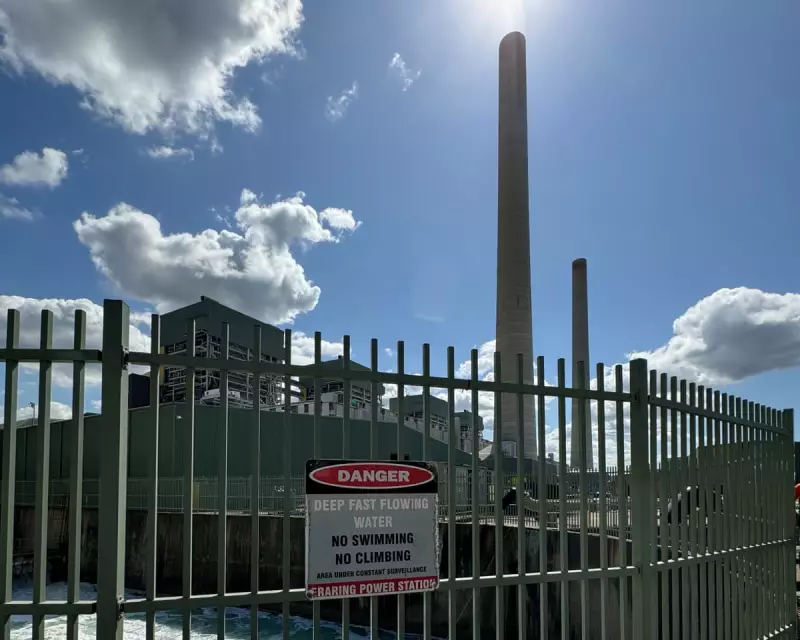
Australia's largest coal-fired power station will remain operational for an additional two years beyond its most recent planned closure date, in a major decision aimed at bolstering the security of the national electricity grid.
Grid Security Concerns Drive Extension
Origin Energy, the operator of the Eraring plant in Lake Macquarie, New South Wales, confirmed on Tuesday that it would now keep the facility running until at least April 2029. This represents a further extension from a prior agreement with the NSW government, which had already pushed the plant's retirement from 2025 to August 2027.
The decision follows a warning from the Australian Energy Market Operator (AEMO). Its recent Transition Plan for System Security highlighted potential "strength deficits" in the NSW grid for 2027-28 if Eraring closed on the previous schedule. Origin's chief executive, Frank Calabria, stated the move would "provide more time for renewables, storage and transmission projects to be delivered" and address reliability worries about the nation's ageing coal and gas fleet.

Government Backing and Climate Criticism
NSW Environment Minister Penny Sharpe confirmed the government had been notified of the decision. She argued it provided certainty for workers and consumers while still contributing to the state's 2030 emissions reduction target. "My number one job is keeping the lights on and putting downward pressure on power prices," Sharpe said, pointing to a near 70% increase in renewable energy capacity since the election.
However, the extension has drawn fierce criticism from climate advocates. The NSW Greens labelled it a "disaster for NSW and Australia’s climate targets". Environment spokesperson Abigail Boyd contended that keeping the plant open would push the state's emissions budget further off course, calling it a "cost-of-living and human health disaster".
Balancing the Energy Transition
Origin emphasised that the extension is not expected to impact its own 2030 emissions reduction targets or 2050 net zero ambition. The company noted that all four units of the 2,880-megawatt plant, which has operated since 1984, would continue to be used.
While acknowledging the challenges of the energy shift, advocacy groups like the Total Environment Centre said the decision "increases the urgency to act faster on the green energy future". The NSW opposition criticised the Minns government for a "broader failure" to secure community support for the renewables transition, despite the extension providing a temporary "reprieve for the state’s energy security".
The future of Eraring remains a focal point in the national debate, balancing immediate grid reliability against long-term climate commitments.






