

EU Grapples with Energy Turmoil as Iran War Sends Oil Markets into Chaos
The European Union is confronting a severe energy crisis triggered by the ongoing war between the US-Israel coalition and Iran, which has thrown global oil and gas flows into disarray. This conflict has propelled oil prices to nearly $120 a barrel within 24 hours before stabilizing around $90, exposing critical vulnerabilities in the bloc's economies. European Council President António Costa warned on Tuesday that the only beneficiary of this turmoil could be Vladimir Putin, as Russia might exploit the gap created by disrupted Gulf supplies. The prospect of Donald Trump easing US sanctions on Russian oil to mitigate the crisis is viewed as a nightmare scenario for the EU, intensifying fears of further market instability.
European Commission Urges Strict Enforcement of G7 Price Cap
In response to the escalating situation, the European Commission has called on the United States to rigorously enforce the G7 price cap on Russian oil. This appeal follows Washington's announcement on Monday that it would waive certain oil-related sanctions in an effort to cool the surging global oil prices. European Economic Commissioner Valdis Dombrovskis emphasized the importance of strict adherence to the price gap, stating, "It is very important to strictly enforce the G7 price gap and potentially move to the full maritime services ban to limit Russia's war revenues, because the opposite would be self-defeating." The EU and UK had previously capped Russian crude oil at $44.10 per barrel on February 1 to ensure it remains 20% below the trading price, but countries like China, not bound by these sanctions, continue to purchase at market rates, thereby filling the Kremlin's coffers.
EU commissioners convened last Friday to discuss potential measures to alleviate the burden of high oil and gas prices on consumers and industries. These measures include possible adjustments to energy taxes and modifications to the EU carbon price, which currently accounts for approximately 11% of industrial power costs. A video call was scheduled for Tuesday afternoon to explore coordinated responses, such as implementing tax cuts on oil in a unified manner across member states.

France Takes Action with Inspections of Petrol Stations
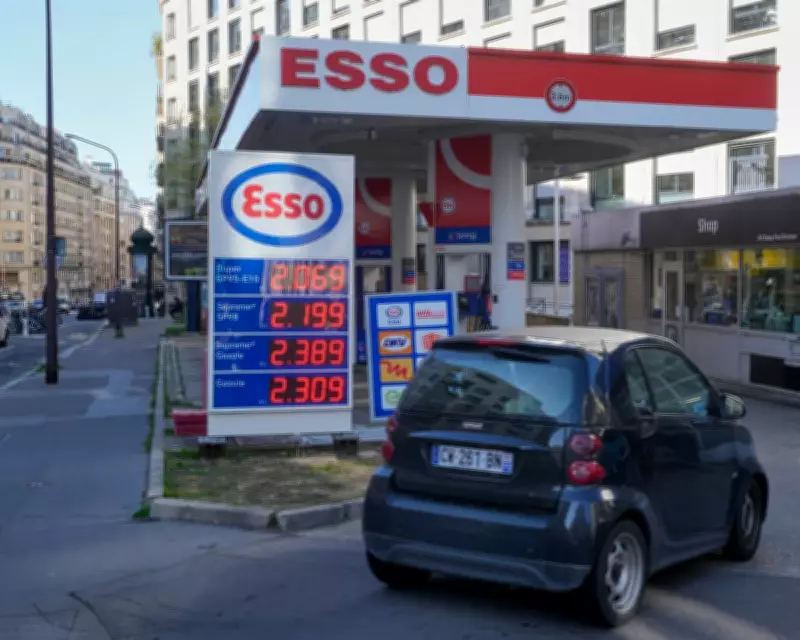
Amid growing concerns over excessive fuel price rises, the French government has announced plans to inspect 500 petrol stations across the country. Prime Minister Sébastien Lecornu stated that inspectors would visit these sites between Monday and Wednesday to ensure companies are not exploiting the crisis for profit. "The war in the Middle East must not become a pretext for abusive prices at the pump," he asserted. This proactive move aims to protect consumers from price gouging as the energy crisis deepens.
Italy and Germany Respond with Firm Stances
Italy has threatened to increase taxes on companies perceived to be profiteering from the soaring wholesale prices of oil. Prime Minister Giorgia Meloni expressed her determination to prevent speculators from taking advantage of the crisis at the expense of families and businesses. However, taxes constitute a significant portion of energy costs for consumers and small businesses, making up 25% of the total, which complicates potential interventions.
In Germany, Chancellor Friedrich Merz reaffirmed the country's commitment to maintaining sanctions on Russia, emphasizing that solidarity with Ukraine must take precedence despite pressures from global energy markets. He argued that if the conflict with Iran concludes swiftly, oil and energy markets could normalize relatively quickly, reducing the need to ease pressure on Moscow. "Faced with the choice between sanctions and solidarity, our position is clear: we stand with Ukraine and are prepared to endure such a phase if necessary," Merz added.

Austria, Hungary, and Croatia Implement Measures to Mitigate Impact
Austria's Chancellor Christian Stocker has called for a temporary reduction in petrol taxes to counteract the effects of oil prices driven up by the war in Iran. Meanwhile, Hungary and Croatia have become the first EU countries to announce price caps on fuel. Croatia has set forecourt prices at €1.55 per litre for diesel and €1.50 for unleaded petrol. In Hungary, pro-Russia leader Viktor Orbán announced a similar cap and the release of state reserves. Orbán also urged the EU to suspend sanctions on Russian energy, although Hungary and Slovakia already hold exemptions from EU restrictions on Russian gas imports and recently secured a one-year exemption from US-imposed sanctions in exchange for commitments to purchase liquefied natural gas from the US.
Other EU States Face Varied Challenges
Sweden-based airline SAS has announced a temporary price increase due to soaring oil prices, reflecting the broader impact on transportation sectors. In Ireland, concerns are mounting over the rising cost of heating oil, particularly in rural areas where many homes rely on paraffin for hot water, as natural gas is available in only about one-third of properties. The coalition government is currently resisting calls for immediate intervention, despite past actions against price gouging at petrol pumps.
Eurostat data reveals that the EU's largest portion of oil imports by value this year comes from the United States at 15%, followed by Norway at 14%, Kazakhstan at 13%, and Gulf states at 12%. With energy prices already among the highest globally, this price shock underscores the urgent need for coordinated EU responses to safeguard economic stability and consumer interests.





