

Farmers Defend Fuel Stockpiling as Regional Australia Faces Supply Crisis
Independent fuel retailers across Australia are grappling with severe supply challenges, as farmers have begun stockpiling diesel in response to skyrocketing prices and perceived shortages. This situation has intensified following recent geopolitical tensions, including bombings in Iran by the US and Israel, which have disrupted global energy markets and triggered a surge in wholesale fuel costs.
Surge in Demand and Price Hikes
Paul McCallum, a rural fuel distributor operating Inland Petroleum in western New South Wales, reported that farmers started advancing their diesel orders earlier this month, requesting approximately 1.5 million litres. This move, described as "boisterous but not over the top," came as wholesale refined product prices increased by up to 70 cents per litre. McCallum noted that price reviews, typically conducted by lunchtime, were unusually delayed until late afternoon, with an immediate 8-cent rise sparking concerns among distributors.
Despite federal government assurances that no fuel shortages exist and calls to avoid panic-buying, dozens of service stations, particularly in regional areas, have run dry. The crisis has highlighted vulnerabilities in Australia's fuel supply chain, with independent distributors like McCallum struggling to secure allocations from major companies such as Mobil, BP, Ampol, and Shell, which is managed by Viva Energy in Australia.

Allocation Issues and Industry Response
McCallum explained that major fuel companies are prioritizing stock for select retail service stations, leaving independent distributors and smaller branded sites without adequate supplies. He cited instances where his company, which also carts fuel for some Ampol and Shell stations, was unable to pick up deliveries due to allocation limits. "Whether those so-called allocation limits are being put on because they're trying to preserve the fuel and spread it out among everybody, I don't know," McCallum said, emphasizing his lack of insight into the majors' internal decisions.
Nathan Falvo, a petrol station owner in Robinvale, Victoria, echoed these concerns after his store ran out of unleaded and diesel for about 10 hours. Falvo typically sells between 12,000 and 18,000 litres of fuel weekly but faced disruptions in receiving normal orders from his distributor, which sources from majors in Melbourne. The Australian Institute of Petroleum, representing key suppliers, acknowledged that its members lack sufficient inventory to support businesses reliant on spot markets, leading to prioritized supply for regular customers.
Government Actions and Regional Impact
Prime Minister Anthony Albanese has convened a snap meeting of national cabinet to address fuel supply issues, following a series of state and federal discussions. While all fuel imports have arrived as expected, a demand surge has caused shortages, especially for diesel. In response, the government has directed fuel companies to release nearly 20% of reserve supplies, relaxed standards to allow higher sulphur levels, and pledged to crack down on price-gouging by retailers.
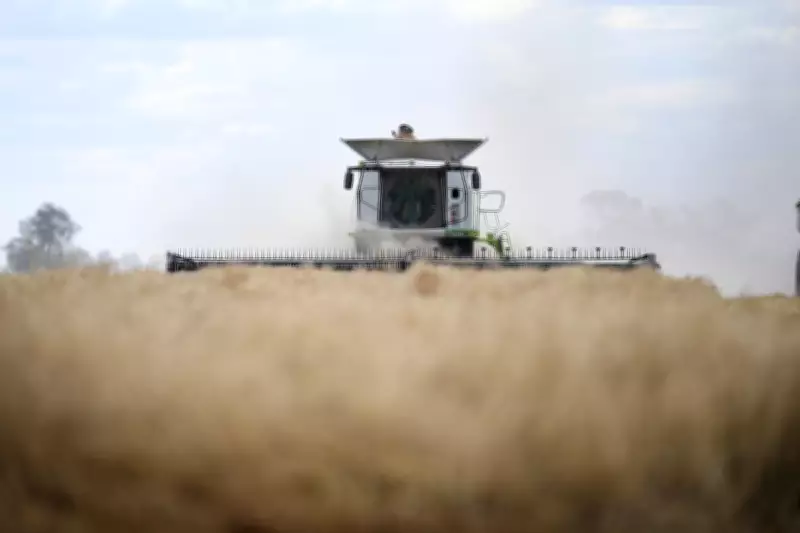
Roy Butler, MP for Barwon in NSW, highlighted that regional industries are disproportionately affected, with independent outlets often being the only fuel sources in remote areas. He advocated for federal plans to establish bulk diesel storage to mitigate future disruptions. Graham Gilmore, a NSW sheep farmer, defended agricultural stockpiling, noting that diesel prices jumped from $1.76 to $3 per litre in days. "It would be a very poor decision for any business to not buy it at the lower price," Gilmore stated, emphasizing that such actions are strategic rather than panic-driven, as fuel is critical for operational continuity.
The ongoing crisis underscores the delicate balance in Australia's fuel distribution network, with regional communities bearing the brunt of global market volatility and supply chain constraints.






