

Nearly fifteen years after the catastrophic Fukushima nuclear disaster, Japan is pushing ahead with a controversial return to atomic energy, sparking significant local opposition and safety fears.
A Controversial Restart for Japan's Energy Future
The Japanese government is moving to reboot many of the nuclear power plants shut down in the wake of the 2011 disaster, aiming for greater energy self-sufficiency. Central to this plan is the restart of the Kashiwazaki-Kariwa plant, the largest nuclear power station in the world, located north of Tokyo.
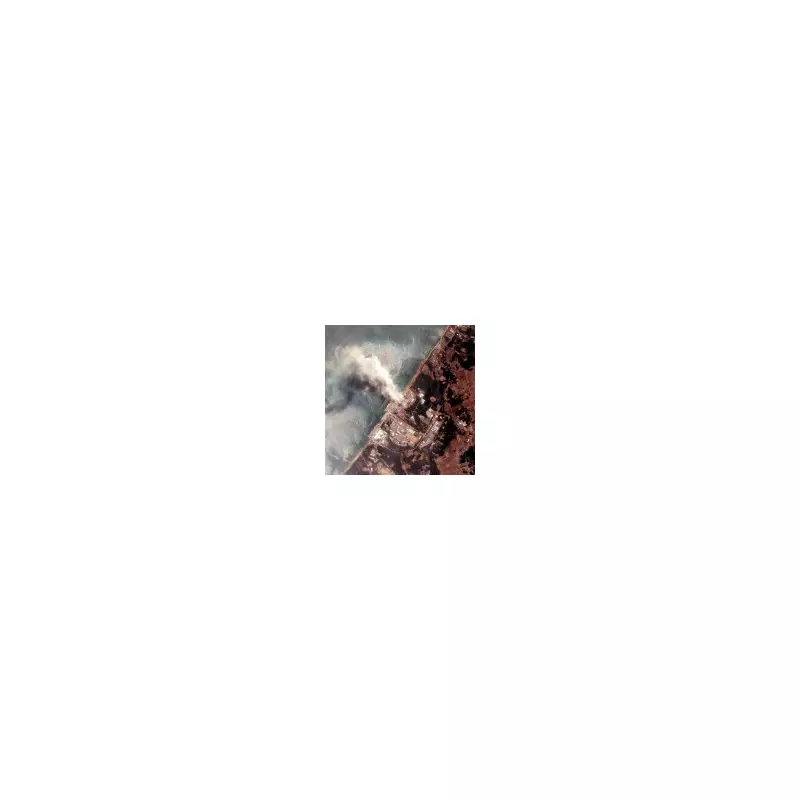
This facility, along with many others, was taken offline after the magnitude 9.0 earthquake and tsunami in March 2011, which triggered meltdowns at the Fukushima Dai'ichi plant. The impending restart, scheduled for January, represents a major policy shift but is meeting fierce resistance from communities who bore the brunt of the last catastrophe.

Expert Analysis: Who Bears the Risk and Who Reaps the Benefit?
Dr Leslie Mabon, a Senior Lecturer in Environmental Systems at the Open University who has studied nuclear facilities' impact, told Metro that the Kashiwazaki-Kariwa restart is a 'significant move'. Its significance lies not just in its size but in its operator: Tokyo Electric Power Company (TEPCO), the same utility responsible for the Fukushima plant.
'A crucial question at the heart of the controversy over nuclear restarts in Japan is: who does it benefit?' Dr Mabon explained. He highlighted a core grievance: the electricity generated primarily powers the distant Tokyo metropolitan area, some 200km away, while local residents in Niigata Prefecture shoulder the potential risks.
He also pointed to the demographic challenges in the rural areas hosting these plants. 'Local and regional politicians face a very difficult balancing act between the jobs and economic benefits that hosting a nuclear plant brings on one hand, versus the concerns some of their citizens might have about safety and fairness on the other,' he said.
Local Opposition and the Shadow of Fukushima
The decision to reopen Kashiwazaki-Kariwa has provoked widespread outcry. Dozens of protesters assembled outside after politicians voted for the restart. Polls suggest around 60% of local residents do not believe the necessary safety conditions have been met.
Among the protesters was Ayako Oga, a victim of the Fukushima disaster who was forced to relocate when her home fell inside the exclusion zone. 'As a victim of the Fukushima nuclear accident, I wish that no one, whether in Japan or anywhere in the world, ever again suffers the damage of a nuclear accident,' she said.
In a statement, TEPCO sought to reassure the public, saying, 'We remain firmly committed to never repeating such an accident and ensuring Niigata residents never experience anything similar to 2011.' Despite these assurances and the vocal opposition, the path is set for Japan's nuclear power revival to begin.






