

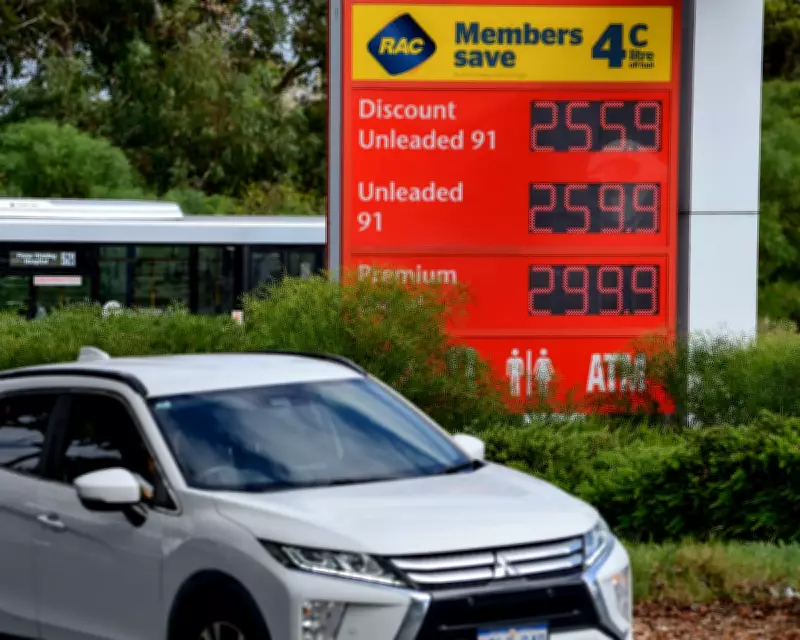
Pressure is intensifying on the Australian federal government to implement immediate relief measures for households grappling with soaring fuel prices, as the cost-of-living crisis deepens. Treasurer Jim Chalmers has repeatedly rejected calls to reduce the fuel excise, which currently adds over 52 cents per litre to petrol costs, despite mounting public frustration.
International Comparisons and Domestic Demands
Nearly 150,000 families in New Zealand are set to receive weekly cash payments to help cover petrol expenses, marking what is believed to be the world's first direct fuel relief package since the onset of the Israel-US conflict with Iran. This initiative has sparked expectations for similar action in Australia ahead of the May budget, with various political factions proposing diverse solutions.
Political Proposals and Opposition Views
The Nationals, Greens, and crossbench MPs recently supported a motion urging the Labor government to provide "accessible, free or affordable nationwide public transport" during the fuel crisis, though the Liberals abstained. In New South Wales, the opposition advocated for a 24-hour fuel price cap and free Easter public transport, but Premier Chris Minns emphasized existing heavy subsidies.

Social Services Minister Tanya Plibersek suggested that working from home could alleviate petrol affordability issues, but stopped short of mandating it. Shadow Employment Minister Jane Hume acknowledged the benefits of remote work but doubted its impact on broader fuel supply challenges.
Innovative Revenue Solutions
Independent ACT Senator David Pocock has proposed a flat 25% export levy on gas producers, aiming to redirect what he terms "wartime profits" to support Australians in need. He argued that this revenue could fund initiatives like free public transport, food pantries, and increased welfare payments, particularly aiding those on fixed incomes who are disproportionately affected by rising costs.
Welfare System Strains
Greens Senator Penny Allman-Payne has called for a pause in mutual obligations for welfare recipients, warning that high fuel prices may prevent them from attending required appointments or job-seeking activities. Her letter to Treasurer Chalmers highlights concerns that nearly one million Australians risk payment suspensions if they cannot fulfill these requirements due to transport costs.
Economic Justice Australia (EJA) has echoed these concerns, noting that mutual obligations are often suspended during natural disasters. EJA's chief executive, Kate Allingham, cited testimonies from women in remote areas who face exorbitant travel expenses to meet employment service mandates, underscoring the urgent need for policy flexibility.
Government Response and Future Outlook
A government spokesperson encouraged welfare participants to contact their employment services providers for support, including transport assistance and flexible appointment options. As the fuel crisis persists, the Albanese government faces growing scrutiny to balance fiscal responsibility with tangible relief for struggling households, with all eyes on upcoming budgetary decisions.






