

Fuel Price Fury Erupts as Readers Condemn Petrol Station Profiteering
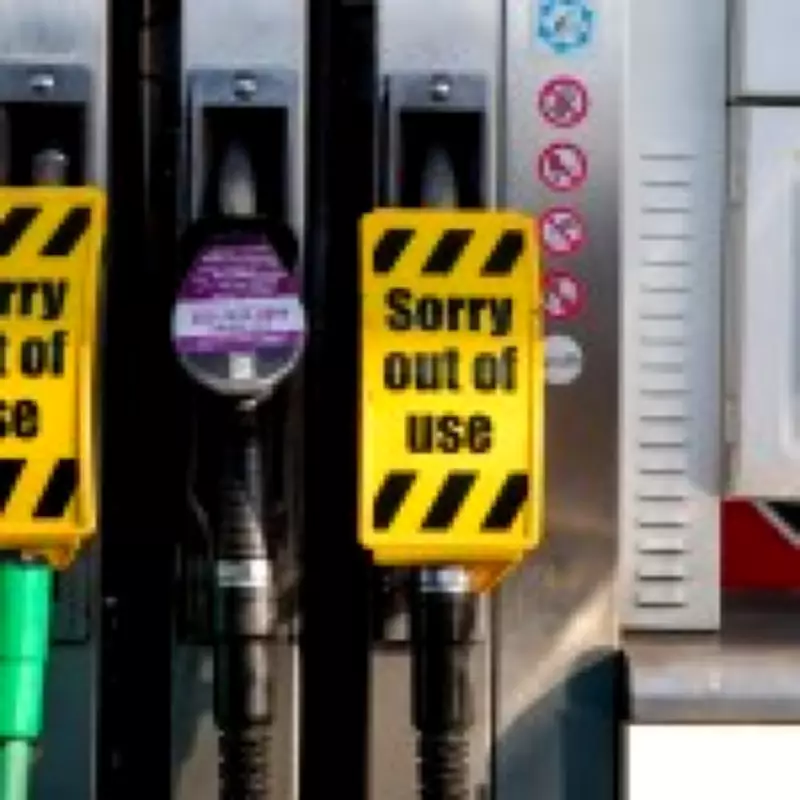
As petrol prices continue to soar across the United Kingdom, readers have voiced their intense frustration and anger over what they perceive as blatant profiteering by the oil and gasoline industry. The dramatic increase in fuel costs coincides with ongoing military conflicts in the Middle East, particularly the war involving the US, Israel, and Iran, which has disrupted global oil markets.
Readers Question Instant Price Hikes Amid Global Tensions
One reader from Milton Keynes, Steve, directly challenged the rationale behind the sudden and substantial price increases at petrol stations and for heating oil. "Why are petrol stations and heating oil companies raising their prices as the US and Israel continue its war on Iran?" he asked. Steve argued that while the cost of Brent Crude oil has indeed risen, these increases typically apply to future crude oil purchases, not immediate retail prices.
"There is absolutely no reason for these instant over-the-top rises, except for the greed of the oil/gasoline industry," Steve declared. He accused companies like BP of effectively "stealing" from customers, with the government then using taxpayer money to compensate those same customers through various schemes. This cycle, he claimed, highlights governmental incompetence and raises a broader question: "Will the citizens of the UK actually ever get a government that doesn’t misuse their taxes?"

Broader Concerns Over Middle East Conflict and Western Response
The letters section also revealed deep concerns about the geopolitical situation in the Middle East and its implications for global stability. Robby, writing via email, referenced a recent story about three individuals in Dubai arrested for sharing photos of missile damage. He saw this as part of a crackdown by the UAE government on content showing the impact of Iranian retaliations, questioning whether people could be imprisoned merely for sending a text message.
Peter Fieldman, another correspondent, expressed dismay over Europe's perceived division and weakness in responding to the Israeli-American war in Iran. He warned that this disunity sends a negative message to the world, particularly to Russia. Fieldman emphasized the strategic importance of the Strait of Hormuz, an international waterway under the United Nations Convention on the Law of the Sea.
"If Iran decides to block it with mines or other means, it is for the UN to order Iran to allow ships to pass or send a UN-backed force to protect the ships," Fieldman argued. He criticized Britain and the EU for shying away from their responsibility to protect vital gas and oil supplies from Gulf allies, contrasting current hesitation with historical British naval dominance.
Historical Context and Critique of Military Interventions
Anna from Nottinghamshire provided a nuanced perspective, stressing the importance of studying the history of the Middle East to understand how Western interference has shaped contemporary ideologies. She argued that the region is often kept in a state of instability by Western governments, though she did not excuse the brutality of the Iranian regime.
Anna questioned the motives behind recent US actions, such as the bombing of Evin prison in Tehran, where political dissidents may have been killed, and the bombing of a primary school in Minab. "Similarly, is the bombing of the Minab primary school a necessary prerequisite for regime change? Or is it something that ‘can be lived with’, as Trump declared?" she asked, highlighting the human cost of military operations.
Another reader, Will Podmore from London, challenged the notion of successful military interventions in the Middle East, citing historical examples like Suez, Iraq, and Syria that resulted in chaos rather than democracy. He pointed to the Iran-Iraq war of the 1980s, which lasted eight years and caused hundreds of thousands of deaths without achieving regime change in Iran.

Podmore also criticized UK Prime Minister Sir Keir Starmer for committing Britain more deeply to the conflict, noting that public opinion polls show significant opposition to UK involvement in air strikes and the use of RAF bases by the US. "So, if we want no part in this war, we have to get out of Nato and expel US bases from our country," he concluded, linking the issue to broader questions of national sovereignty and alliance membership.
Public Sentiment and Political Accountability
The collection of letters underscores a growing public discontent with both economic policies and foreign military engagements. Readers are demanding greater transparency and accountability from both corporate entities and governmental bodies. The surge in petrol prices has become a flashpoint for broader frustrations about cost-of-living pressures and perceived corporate greed.
Simultaneously, the debate over the Middle East conflict reflects deep divisions and concerns about the efficacy and morality of Western intervention. Readers are calling for a more thoughtful and historically informed approach to foreign policy, one that prioritizes diplomatic solutions and considers the long-term consequences of military actions.
As these discussions continue, it is clear that the issues of fuel pricing and international conflict are deeply interconnected, affecting everything from household budgets to global security. The voices in these letters represent a segment of the public seeking clearer answers and more responsible leadership in turbulent times.





