

Australia's Fuel Tax Credit Scheme Under Fire for Climate Impact
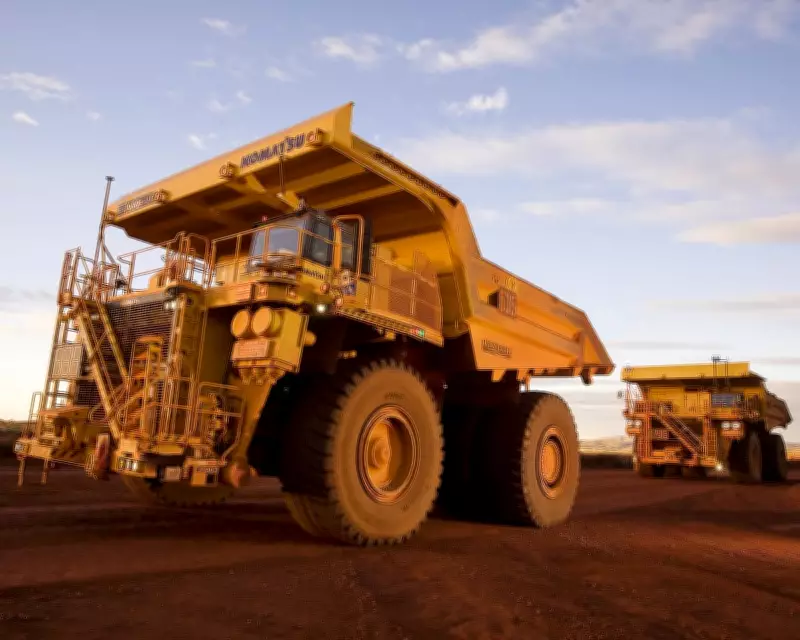
Miners and farmers are among the primary beneficiaries of Australia's fuel tax credit scheme, which is projected to cost the federal government nearly $10.8 billion this financial year. This substantial expenditure translates to approximately $30 million per day or $20,500 every minute, making it one of the most expensive items in the national budget.
The policy, designed to refund fuel excise taxes for businesses using diesel and petrol in off-road vehicles, heavy machinery, and private road operations, is increasingly criticized as a fossil fuel subsidy that undermines climate goals. Critics argue it actively encourages pollution by reducing costs for high-emission industries.
Growing Calls for Reform and Abolition
A coalition of organizations, including the ACTU, Labor Environmental Action Network, and the Australian Academy of Technological Sciences and Engineering, is urging the government to wind back or eliminate the credits. Even major mining companies like Fortescue, which benefits from the scheme, have joined the push for change, highlighting the policy's inconsistency with Australia's commitment to reduce emissions by at least 62% by 2035 and achieve net zero by 2050.

The scheme's logic is based on the premise that fuel excise funds road infrastructure, but only about 5% of revenue is legally designated for this purpose. The rest flows into general consolidated revenue, weakening the argument for tax rebates for companies not using public roads.
Proposed Compromises and Industry Opposition
Several compromise proposals have emerged to target the largest beneficiaries, such as BHP, Rio Tinto, and Fortescue. The ACTU advocates for a $20 million annual cap on rebates per company, which could generate over $14 billion in revenue over three years without affecting smaller businesses. Alternative suggestions include a $50 million cap, with excess credits redirected toward investments in electric vehicles and renewable energy infrastructure.
Mining industry groups strongly oppose any changes, threatening vigorous campaigns against the Labor government. Federal Resources Minister Madeleine King has stated that modifications are not currently under consideration, despite mounting evidence of the scheme's unsustainable cost growth, forecasted to increase by 19.9% by mid-2029.
Climate and Budgetary Implications
The fuel tax credit scheme not only contradicts climate objectives but also represents a significant financial burden. Climate Energy Finance reports that the top 15 diesel users emitted 16.2 million tonnes of carbon dioxide in 2023-24 while receiving nearly $2.9 billion in credits. This policy undermines other environmental measures, such as the safeguard mechanism, which requires major polluters to cut emissions annually.
As Australia grapples with balancing economic interests and environmental commitments, the debate over fuel tax credits highlights broader tensions in national policy. With costs escalating and climate targets at risk, pressure is mounting for the government to reassess this controversial subsidy.






