

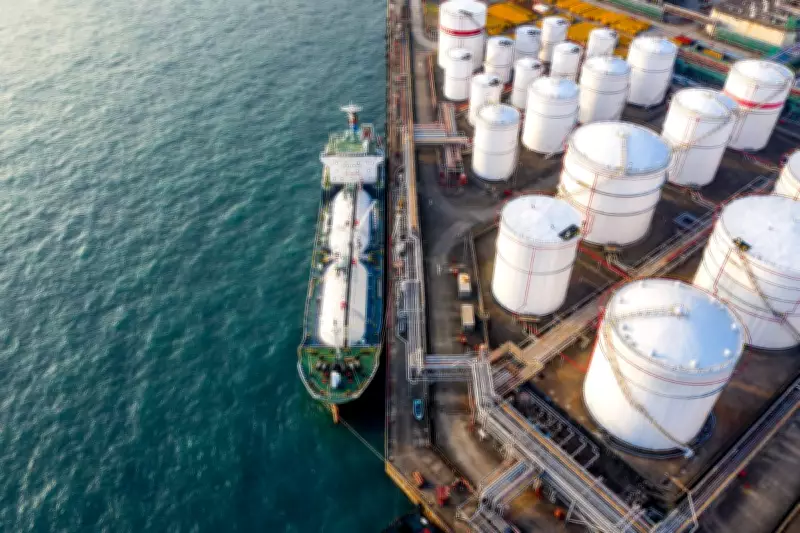
European Gas Prices Skyrocket Following Iranian Attacks on Qatar LNG Facilities
European natural gas prices experienced a dramatic surge on Monday, climbing by more than 40 percent, after Iranian retaliatory strikes targeted critical energy infrastructure in Qatar, forcing the shutdown of the world's largest liquefied natural gas export plant. The benchmark European gas price, known as TTF, rose to just under €48 per megawatt-hour as investors reacted to the sudden disruption in global supply chains.
Qatar Halts LNG Production After Military Strikes
QatarEnergy, the Qatari state energy company, announced it had ceased all LNG production operations following what it described as military attacks on two major industrial cities. In an official statement, the company confirmed the suspension was due to drone strikes targeting facilities at Ras Laffan Industrial City and Mesaieed Industrial City.
The Qatari defence ministry provided additional details, noting that one drone struck a water tank at a power plant in Mesaieed, while another targeted an energy facility belonging to QatarEnergy in Ras Laffan. Fortunately, no human casualties were reported from these attacks. However, the operational impact was immediate and severe.

Strategic Importance of Qatari LNG Exports
The temporary shutdown of Qatar's LNG production carries significant implications for global energy markets, particularly for Europe. Qatar supplies approximately 12 to 14 percent of Europe's LNG imports, making it a crucial supplier for the continent's energy needs. Beyond Europe, Qatar exports nearly a quarter of its LNG to China, its largest trading partner, with India and South Korea also being major buyers.
Neil Wilson, an investor strategist at Saxo UK, commented on the market reaction, stating: "European natural gas prices have gone stratospheric as Qatar just halted LNG production, which signals potentially huge disruption for European energy flows."
Analysts Warn of Extended Price Spikes and Market Competition
Energy analysts have expressed concern that the situation could lead to prolonged price increases and intensified competition for LNG cargoes. Analysts at ING warned: "A tighter market would see Asia and Europe competing more aggressively for LNG cargoes, pushing up prices." They further cautioned that if markets begin pricing in extended losses to Qatari supply, the TTF benchmark could spike toward €80-100 per megawatt-hour.
The production pause not only affects Europe directly but also forces Qatar's other major buyers to seek alternative sources of LNG, potentially creating a ripple effect across global energy markets.
Broader Regional Conflict Drives Oil Price Increases
The strikes on Qatar occurred within the context of escalating regional tensions. Over the weekend, the United States and Israel launched a bombing campaign against Iran, resulting in the death of Supreme Leader Ayatollah Khamenei. Iran responded with drone strikes targeting various locations, including US military bases, Israeli cities, and critical civil infrastructure.
On Monday, Iranian drones also hit the Ras Tanura oil refinery in Saudi Arabia, the largest refinery in the Gulf region. This attack, combined with growing fears about potential disruption to the Strait of Hormuz, contributed to significant increases in oil prices.
Strait of Hormuz Disruption Threatens Global Oil Supply
The Strait of Hormuz represents one of the most critical arteries in the global economy, with roughly 20 percent of worldwide oil production passing through this narrow sea lane. The Iranian Revolutionary Guard has issued warnings to ships against passing through the strait and claims to have destroyed three tankers from the US and UK. As a result, shipping through the Strait of Hormuz has come to a near-total standstill.
The price for a barrel of Brent crude oil rose 8.7 percent on Monday to trade at $79, with some analysts predicting it could surpass $100 if disruptions continue. ING analysts emphasized the severity of the situation, stating that "even partial disruption" to the Strait could produce a "supply shock of historic proportions."

The combination of halted LNG production in Qatar and threatened oil shipments through the Strait of Hormuz has created a perfect storm in global energy markets, with prices surging across multiple commodities as traders assess the potential for extended supply disruptions.





