

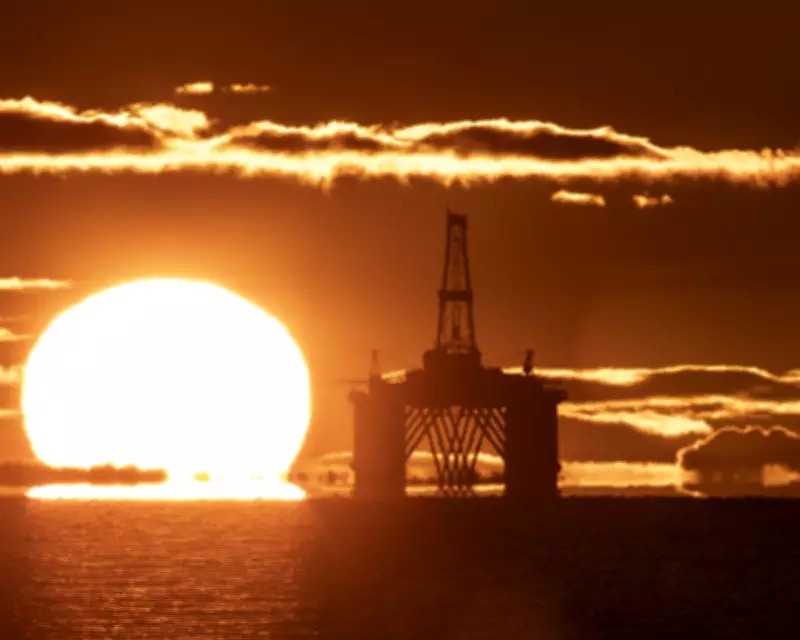
Green Energy Leader Advocates for North Sea Oil and Gas Production
The head of the UK's national green energy champion, GB Energy, has publicly supported increased oil and gas production from existing North Sea sites, joining other prominent renewable energy figures in this controversial stance. Jürgen Maier, the chief executive of GB Energy, made his position clear through a detailed social media post on LinkedIn, where he addressed the ongoing energy cost crisis facing the government.
Economic Benefits Over Cost Reduction
Maier firmly rejected the assertion that ramping up North Sea oil and gas output could lead to lower energy costs for consumers, noting that prices have surged dramatically due to the escalating conflict in Iran. However, he emphasized that such production could deliver significant economic advantages for the United Kingdom. These benefits include the creation of more jobs and higher tax revenues, which he believes are crucial for the nation's financial health.
Based on these economic positives, Maier stated he is "a supporter" of a well-managed energy transition that encompasses "all energy" sources. He later clarified in a follow-up post that he fully backs the government's prohibition on exploration licences for new oil and gasfields, highlighting his commitment to a balanced approach.

Transition Strategy and Industry Backing
Maier explained that the government's plan to utilize existing fields and tiebacks—which enable extraction of new deposits from current infrastructure—aligns with an "All Energy" transition strategy. This approach, he argued, would provide supply chain companies with sufficient time to adapt and shift towards renewable energy, which remains the ultimate goal. His comments echo similar sentiments from other high-profile green energy leaders.
Greg Jackson, the boss of Octopus Energy and a member of the Cabinet Office board, told the Daily Telegraph that the UK "needs more sovereign energy" and called for practical decisions over ideology. He pointed out that shipping gas from distant regions makes little sense when domestic resources are available, even though global markets set prices. Tara Singh, the new chief executive of RenewableUK, also advocated for producing more energy "of every kind" to move beyond cultural wars in energy policy.
Political and Industry Dynamics
The debate intensifies as the government considers approving the Rosebank and Jackdaw fields, which received licences under the previous administration. While Labour's Ed Miliband has ruled out new licences for the ageing fossil fuel basin, officials and ministers are still evaluating these projects. Senior industry figures anticipate approval within weeks, with production potentially starting by year-end, a move likely to spark protests from environmental groups.
An industry source suggested that any go-ahead might be delayed until after the May local elections to avoid creating a political rift between Labour and the Green party, which has gained traction among leftwing voters. Meanwhile, the government has dismissed warnings from Offshore Energies UK about increased reliance on imports amid global instability, reiterating that new licences do not enhance energy security or reduce bills.
Government and Industry Responses
A government spokesperson countered the industry's plea for more support, stating, "Issuing new licences to explore new fields cannot give us energy security and will not take a penny off bills." They emphasized that oil and gas are sold on international markets, making the UK a price taker, and advocated for moving away from fossil fuel volatility. In response, a Great British Energy spokesperson highlighted their focus on driving the clean energy transition to ensure a secure and independent system.
The spokesperson noted that oil and gas will remain part of the energy mix for decades, and it is vital to retain the expertise of oil and gas workers and supply chains for a prosperous clean energy future. This managed transition aims to benefit communities across the UK, particularly in regions like north-east Scotland, where the industry has deep roots.






