

IEA Considers Unprecedented Oil Reserve Release to Tackle Soaring Prices
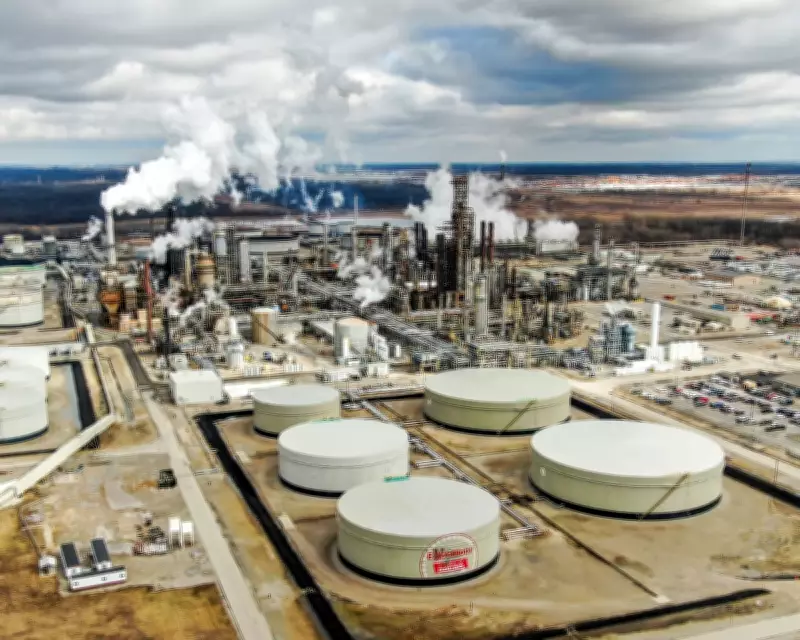
The International Energy Agency (IEA) is reportedly advancing a proposal for the largest release of oil reserves in its history, aimed at curbing the dramatic surge in crude prices triggered by the ongoing US and Israel war on Iran. This move would exceed the 182 million barrels of oil that IEA member countries released across two separate actions in 2022, following Russia's full-scale invasion of Ukraine, according to sources cited by the Wall Street Journal.
Emergency Meeting and Decision Timeline
Energy officials from the IEA's 32 member states convened for an emergency meeting on Tuesday to deliberate on whether to deploy their emergency stockpiles to the market. The proposal, which has been circulated among delegates, could be approved as early as Wednesday, although any single member's objection might delay the decision. The IEA maintains strategic petroleum reserves as part of a crisis-response system established after the Middle East oil crisis of the 1970s, requiring members to hold at least 90 days' worth of crude supplies.
Impact of Supply Disruptions and Market Volatility
Global oil and gas shipments have faced significant disruptions for over a week due to the effective closure of the Strait of Hormuz, a critical shipping lane off Iran's coast that handles approximately one-fifth of the world's oil and seaborne gas tanker traffic. This has contributed to wild fluctuations in Brent crude prices, which briefly spiked to $119.50 per barrel on Monday, reaching levels not seen since 2022. On Wednesday morning, prices hovered around $91, indicating persistent market uncertainty.

G7 Support and Strategic Reserves
The G7 group of leading economies has expressed support in principle for using strategic oil reserves to address supply shortages and market volatility. Following a remote meeting on Tuesday that included the IEA head, G7 energy ministers issued a statement affirming their vigilance in monitoring energy trends and coordination with international partners. They endorsed proactive measures, including reserve releases, to stabilise the situation. However, the continued price rise suggests that markets remain sceptical about the sufficiency of such actions to offset potential supply shocks.
Reserve Capacity and Historical Context
In total, IEA members hold more than 1.2 billion barrels of public emergency oil stocks, with an additional 600 million barrels held by industry under government obligation. This substantial capacity underscores the agency's role in mitigating oil price crises. The current proposal highlights the escalating energy market tensions amid geopolitical conflicts, echoing past responses to global supply disruptions.






