Iran Crisis Exposes Net Zero Dilemma: Short-Term Stability vs. Long-Term Goals
The recent diplomatic breakthrough between the United States and Iran, resulting in a two-week ceasefire, has provided a temporary reprieve in global tensions and oil market volatility. While this development sparked euphoric reactions in financial markets like the FTSE, it has also starkly exposed the precarious balancing act facing the UK government regarding its net zero commitments.
This crisis has ignited a fierce debate about whether long-term sustainability goals can be maintained without jeopardizing short-term economic health, particularly when the nation's economic foundation appears fragile.
The Economic Backdrop: A Frail Foundation
Prior to the Iran conflict escalation, the UK economy was already navigating treacherous waters. The Bank of England had only recently managed to reduce inflation from a post-mini budget peak of 9.6 percent to 3.2 percent in February—still significantly above the 2 percent target. This achievement came through a harsh rate-easing cycle that has left the economy vulnerable to external shocks.

Compounding these inflationary pressures, the broader economic sentiment within the private sector remains concerning. Last month's composite Purchasing Managers' Index, a crucial indicator measuring manufacturing and services sector health, dipped by 3.4 percent to 50.3 percent in March. This decline signals less-than-ideal productivity and business flourishing, painting a picture of an economy teetering on the edge of stagflation.
The Net Zero Conundrum
At the heart of this debate lies the government's commitment to net zero emissions—an admirable long-term goal that now faces practical challenges in the face of geopolitical instability. The refusal to tap into domestic oil and gas reserves to stabilize consumer energy prices has come under intense scrutiny as global oil markets remain volatile.
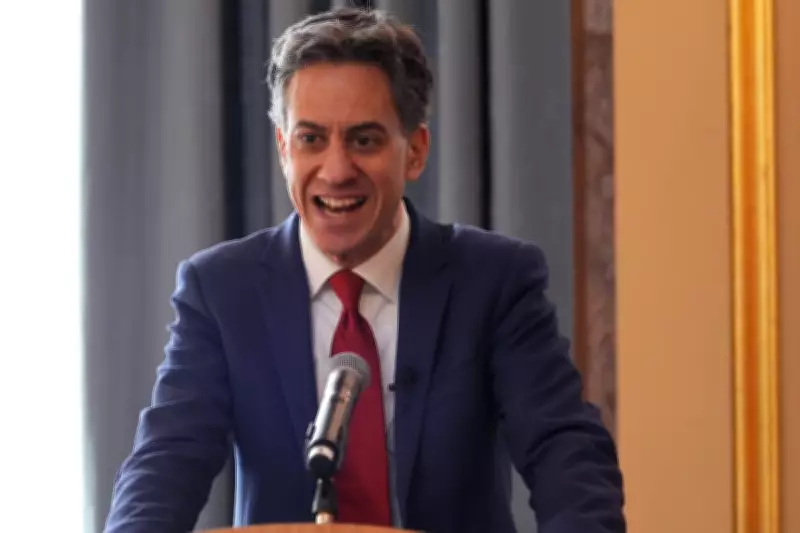
While net zero represents an important economic and sustainability objective, critics argue that such idealistic agendas cannot come at the expense of immediate economic stability, especially when the country's economic health is already compromised. The Conservative Party has been particularly vocal in criticizing Labour's energy policies under Ed Miliband, highlighting what they perceive as a dangerous prioritization of long-term goals over present realities.
The Renewable Energy Argument and Its Limitations
Proponents of accelerating renewable energy infrastructure argue that the Iran conflict underscores the urgent need to reduce dependence on volatile global oil markets. While this perspective holds merit, even the most committed advocates acknowledge practical limitations: building comprehensive windfarm networks or other renewable infrastructure cannot be accomplished within the brief window of a two-week ceasefire.
This reality forces difficult questions about what happens if conflict resumes—a distinct possibility given that ceasefires typically represent temporary pauses rather than permanent resolutions. The Strait of Hormuz has only temporarily reopened, and both nations may be using this period to rearm for potential future confrontations.
Potential Policy Shifts: The North Sea Question
If tensions reignite and global oil supplies face renewed disruption, the UK government may be forced to consider unpalatable measures for the sake of economic stabilization. One such measure could involve granting new drilling licenses in the North Sea—a move that would represent a significant departure from current sustainability commitments but could provide crucial short-term energy security.
Such decisions would reflect a pragmatic reassessment of whether sustainability agendas can realistically be maintained if energy prices continue their rapid ascent. When voters face escalating energy bills in coming months, political pressure may force policymakers to prioritize immediate relief over long-term environmental goals.

Looking Forward: Balancing Idealism and Pragmatism
The Iran crisis has served as a stark reminder that geopolitical events can rapidly reshape economic priorities. While the ceasefire has brought temporary calm, it has done little to stabilize global crude markets in the long term. This situation demands that policymakers carefully weigh their commitment to net zero against the pressing need to avoid recession and protect consumers from energy price shocks.
Ultimately, the debate centers on whether idealistic long-term goals must sometimes yield to short-term stability requirements. As the UK navigates this complex landscape, the decisions made in response to the Iran crisis may set important precedents for how nations balance environmental ambitions with economic realities in an increasingly volatile world.