

Japan Initiates Historic Oil Reserve Release to Counter Middle East Energy Crisis
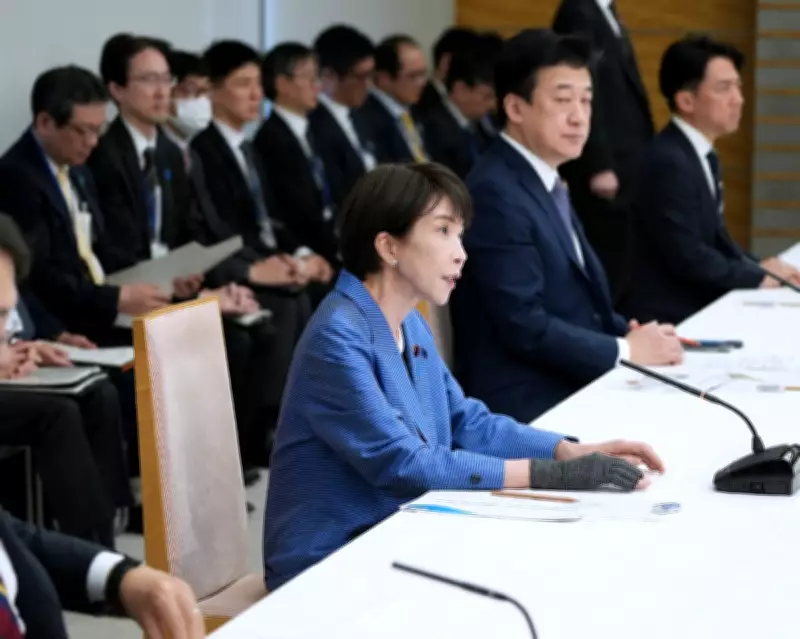
Japan has announced the commencement of its largest-ever release of oil from national strategic reserves, a move driven by escalating tensions in the Middle East that threaten global energy supplies. Prime Minister Sanae Takaichi confirmed that the state-owned reserves will begin flowing to domestic refiners starting Thursday, as the country braces for potential disruptions from the US-Israel war on Iran.
Unprecedented Scale of the Release
The government plans to provide approximately 80 million barrels of stockpiled oil to refiners, equivalent to 45 days of domestic demand. This volume is 1.8 times larger than the amount released after the 2011 Fukushima disaster, highlighting the severity of the current crisis. Japan, which imports over 90% of its crude oil from the Middle East, is particularly vulnerable to closures of key shipping routes like the Strait of Hormuz.
Prime Minister Takaichi emphasized the critical importance of Middle East stability, stating in a social media post that peace in the region is "extremely important for Japan and the international community." She reiterated Japan's commitment to diplomatic efforts in coordination with allied nations, while resisting calls from former US President Donald Trump to deploy naval forces to the area, citing constitutional limitations.

Economic and Consumer Impacts
In response to rising fuel prices, the Japanese government introduced subsidies last week to cap gasoline prices at around ¥170 ($1.10) per litre, after retail averages hit a record ¥190.8. These subsidies will be reviewed weekly based on oil market fluctuations. Despite these measures, concerns over prolonged Strait of Hormuz closures have sparked consumer anxiety, leading to fears of shortages in household essentials like toilet paper.
The trade and industry ministry has urged calm, advising against hoarding and emphasizing that about 97% of toilet paper in Japan is domestically produced from recycled materials, with no dependency on Middle Eastern supplies. However, social media has fueled panic buying, with posts warning of price spikes and empty shelves, echoing past crises like the 1973 oil shock and COVID-19 pandemic.
Strategic Reserves and Future Preparedness
As of the end of last year, Japan held strategic oil reserves of about 470 million barrels, enough for 254 days of domestic consumption. This release underscores the country's proactive approach to mitigating energy insecurity. Industry associations have assured the public of stable supply chains and the ability to ramp up production if needed, calling for rational consumer behavior to prevent self-fulfilling shortages.
This historic move reflects Japan's broader strategy to navigate global energy volatility while maintaining economic stability, as the world watches the unfolding Middle East conflict and its ripple effects on commodity markets.






