

Government Confronts Fuel Retailers Over Price Spikes Amid Iran War Disruption
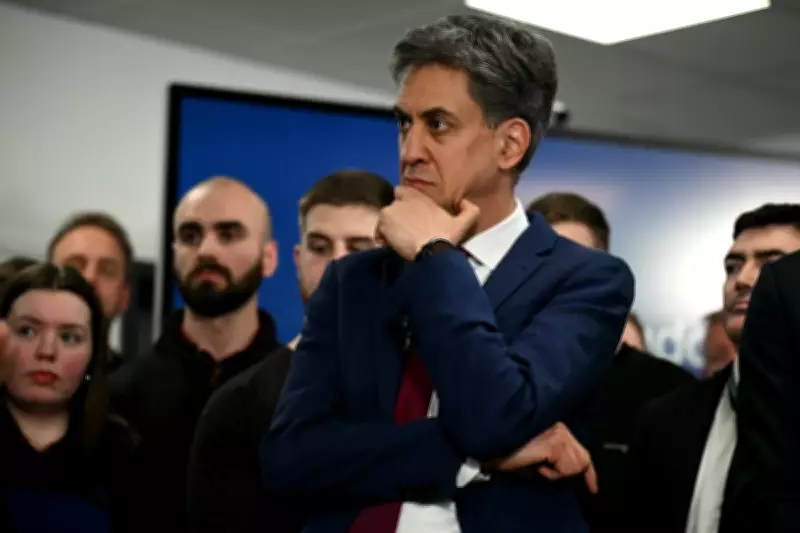
Energy Secretary Ed Miliband and Chancellor Rachel Reeves are scheduled to meet with petrol retailers later today as fuel costs continue to spike dramatically across the United Kingdom. This urgent meeting comes in response to oil prices climbing back above $100 per barrel on Thursday, despite recent international efforts to stabilize the market.
International Energy Crisis and Market Response
The International Energy Agency announced on Wednesday that it would release a record 400 million barrels of oil in an attempt to curb the economic impact of the ongoing US-Israel war with Iran. However, this intervention has failed to prevent prices from surging as the conflict disrupts global energy trade through critical shipping routes.
The Strait of Hormuz shipping route has remained effectively blocked as Iran has been actively targeting international cargo ships with missiles and drones. This strategic chokepoint for global oil transportation has created significant supply chain disruptions that are now directly impacting British consumers at the pump.

Government Warning to Energy Sector
Miliband has stated unequivocally that the government "will not tolerate" energy firms profiteering from the rising price of oil during this international crisis. Both he and Chancellor Reeves are expected to inform the petrol retail sector that the Competition and Markets Authority is on "high alert" for any unjustifiable price increases.
The watchdog has already warned that it is putting fuel retailers "on notice" of plans to significantly step up monitoring of petrol and diesel prices throughout the duration of the Iran conflict. This enhanced scrutiny comes as the RAC reported on Wednesday that diesel prices have risen by nearly 9 percent since February 28, with petrol prices averaging 6 percent higher across the same period.
Political Pressure and Policy Responses
Miliband has not ruled out providing direct support to consumers or extending the current fuel duty freeze if the conflict continues to disrupt energy markets. This position has drawn criticism from political opponents, with Shadow Transport Secretary Richard Holden accusing the government of lacking the "backbone" to take decisive action on fuel taxes.
Meanwhile, Miliband has pushed back against calls to alter the UK's approach to net-zero targets in response to the current energy crisis. He argued that Britain needs to get off the "fossil fuel rollercoaster" rather than pursuing new exploration licenses in the North Sea, which he stated "will not take a penny off people's bills."
Long-Term Energy Strategy and Nuclear Development
The Energy Secretary emphasized that the "right answer" for both energy security and climate change remains the government's current strategy: continuing production from existing oil and gas fields while not permitting new exploration. Simultaneously, Miliband is launching a fast-track process on Friday for building new nuclear power stations, addressing historical issues of delays, spiraling costs, and bureaucratic obstacles that have hampered previous nuclear projects.
This comprehensive approach reflects the government's attempt to balance immediate consumer protection during an international energy crisis with long-term commitments to energy security and environmental sustainability. The outcome of today's meeting with petrol retailers will likely determine the immediate measures taken to protect British consumers from the worst effects of global oil market volatility.






