

Energy Markets in Turmoil as Iran-Israel Conflict Intensifies
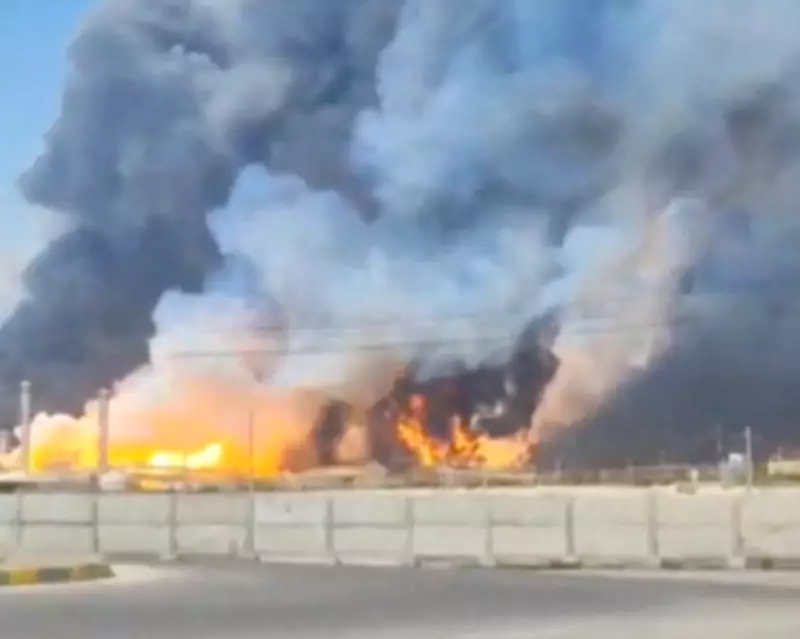
Oil and gas prices have surged dramatically following a significant escalation in attacks between Iran and Israel on key gasfields, raising fears of prolonged disruption to international energy supplies. The month-ahead UK wholesale gas price hit its highest level since August 2022, while Brent crude oil jumped by 8% to $116 a barrel, marking a 60% increase since the US-Israeli war on Iran began on February 28.
Sharp Price Increases Across Global Markets
European gas prices experienced a sharp rise, with the Dutch wholesale gas price climbing 24% to €68 per megawatt hour, the highest since December 2022. In the UK, the month-ahead wholesale gas price increased by 23% to 172p a therm, more than doubling since late February. Although prices remain below the peak of 800p a therm briefly reached in March 2022, the rapid escalation is likely to drive up household energy bills.
Traders are reacting to heightened tensions in the Middle East, where Tehran has intensified attacks on energy facilities. This includes significant damage to Ras Laffan, the world's largest liquefied natural gas (LNG) facility in Qatar, in retaliation for Israel's strike on Iran's South Pars gasfield. The conflict has fundamentally altered the global gas market outlook, with initial expectations of a two-month disruption at Ras Laffan now likely to be exceeded, removing about 1.5% from annual global LNG availability each additional month.

Stock Market Sell-Off and Economic Repercussions
The escalation triggered a sharp sell-off across global stock markets. Japan's Nikkei tumbled 3.4%, South Korea's Kospi fell 2.7%, and Hong Kong's Hang Seng dropped 2%. European markets followed suit, with the UK's FTSE 100 down nearly 3%, Germany's Dax declining 2.3%, and France's CAC decreasing 2.2% by early afternoon.
Donald Trump has threatened to "massively blow up" South Pars completely if Iran attacks Qatar again, highlighting the volatile nature of the conflict. Israel's decision to target the Iranian gasfield represents a significant escalation, with broader implications for regional stability.
Industry Impact and Inflation Concerns
Major energy companies are feeling the effects. Shell reported damage to its Pearl GTL facility at Ras Laffan, though the fire was quickly extinguished with no injuries. Authorities in Abu Dhabi were forced to shut down operations at its Habshan gas facility and Bab oilfield due to Iranian attacks.
Susannah Streeter, chief investment strategist at Wealth Club, warned that fears of a sustained energy shock have resurfaced, with oil potentially reaching $150 a barrel. "Europe in particular is reliant on LNG exports from Qatar, as countries have been weaning themselves off dependence on Russia," she noted, adding that higher energy prices could have toxic repercussions worldwide.
Thomas Pugh, chief economist at RSM UK, cautioned that higher energy prices could lead to second-round inflationary effects, pushing inflation towards 5% and making interest rate hikes more likely from the Bank of England. Money markets are now fully pricing in a quarter-point rise by July, which would take the Bank rate back up to 4%.
Transportation and Security Risks
The conflict is also impacting transportation sectors. Major European airlines, including Lufthansa, have indicated that fares will rise if fuel price surges persist, urging passengers to book early as fuel hedging strategies unwind.
Richard Meade, editor-in-chief of Lloyd's List Intelligence, emphasized that the first confirmed strike on an operational gasfield by Israel marks a significant shift, expanding the risk profile for the entire Middle East Gulf energy and logistics system. "Anchored ships were not as safe as thought," he said, noting that some governments are negotiating safe passage with Iran, but such arrangements should be treated with extreme caution.
The ongoing conflict not only threatens energy supplies but also damages regional economies, with tourism and business activity severely impacted. As both sides continue to ratchet up attacks on energy infrastructure, the prospect of a longer, more drawn-out conflict remains in sharp focus, keeping global markets on edge.






