

Oil Markets React to Geopolitical Tensions and NATO Pressure
The global oil market experienced significant volatility as trading opened for the week, with prices surging following heightened geopolitical tensions and diplomatic pressure from former US President Donald Trump on NATO allies. The international benchmark Brent crude jumped 2.9 percent initially, reaching near $106.12 per barrel before settling slightly lower around $105.
Trump's Stark Warning to NATO Allies
Donald Trump issued a direct warning to NATO members regarding the strategic Strait of Hormuz, a critical waterway connecting the Persian Gulf to the Gulf of Oman and Indian Ocean. Approximately one-fifth of global oil supply typically flows through this passage, but traffic has been severely disrupted since recent Middle East conflicts escalated.
"It's only appropriate that people who are the beneficiaries of the Strait will help to make sure that nothing bad happens there," Trump told the Financial Times, emphasizing the shared responsibility among nations benefiting from this crucial shipping route.

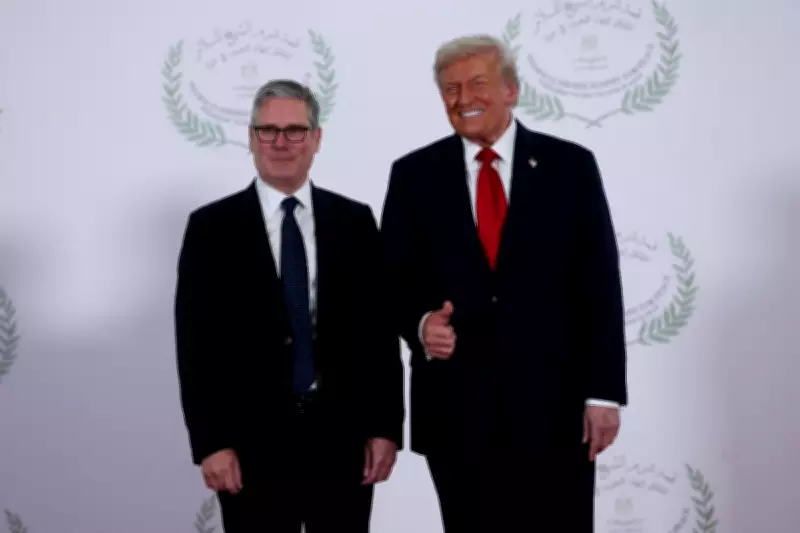
Downing Street confirmed that Prime Minister Sir Keir Starmer discussed the situation with Trump during a Sunday phone call, with both leaders acknowledging "the importance of reopening the Strait of Hormuz to end the disruption to global shipping, which is driving up costs worldwide."
Market Analysts Identify Pressure Points
Richard Hunter, head of markets at interactive investor, characterized the oil market as a primary pressure point in the current geopolitical landscape. "The battle lines have been firmly drawn and the oil market remains the pressure point," Hunter stated, highlighting how energy markets have become a focal point in international tensions.
Additional market volatility stemmed from recent US military actions targeting Kharg Island, a five-mile-long coral island in the Persian Gulf that serves as Iran's primary oil export hub. Approximately 90 percent of Iranian oil exports flow through this facility, making it a strategically significant location.
Central Banks Face Inflationary Dilemma
Ipek Ozkardeskaya, senior analyst at Swissquote, noted that the conflict shows no signs of immediate resolution. "The bombing of Kharg Island – and the continued attacks between the parties – suggests the conflict is not close to an end," she observed.
With multiple central banks including the Bank of England and Federal Reserve scheduled to meet this week, policymakers face complex decisions balancing inflationary pressures from rising energy costs against economic growth concerns. "All of them will be torn between the upcoming spike in inflation due to rising oil and gas prices and the threat of slowing economies and rising unemployment," Ozkardeskaya explained.
The Bank of England, previously expected to cut interest rates, is now anticipated to maintain rates at 3.75 percent. Recent economic data showing zero growth in January has complicated the monetary policy landscape, with Ozkardeskaya noting: "The British economy clearly needs help... Unfortunately, the UK may not get that help just yet – the BoE will first have to deal with the renewed inflationary pressures before supporting growth."
Government Response and Economic Implications
Prime Minister Starmer plans to unveil an energy support package featuring approximately £50 million in assistance for households using heating oil. Simultaneously, Work and Pensions Secretary Pat McFadden will introduce a compensation scheme for employers hiring young people not in education, employment, or training (NEETs), addressing a population of nearly one million individuals across the country.
Chancellor Rachel Reeves will deliver a growth-focused speech on Tuesday emphasizing investment, trade, and artificial intelligence development. Her address will follow diplomatic efforts by EU Relations Minister Nick Thomas-Symonds to strengthen economic ties with European Union markets through agreements on food trade and immigration.

Economists express concern that prolonged conflict could maintain elevated energy prices, potentially forcing the Bank of England to maintain higher interest rates to combat inflation. This scenario would increase borrowing costs for both households and the government, creating additional challenges for Labour's economic growth initiatives and limiting fiscal flexibility for future support packages.





