

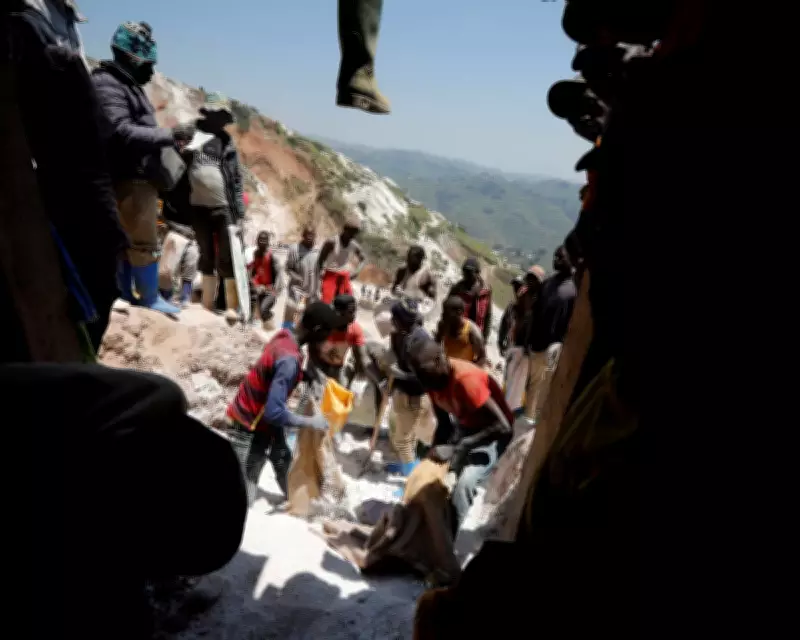
A devastating collapse at a coltan mine in the eastern Democratic Republic of Congo has resulted in the deaths of more than two hundred people, according to officials. The tragedy occurred at the Rubaya mine, a site that is critically important to the global supply chain for electronics.
Catastrophic Landslide Claims Hundreds of Lives
Lumumba Kambere Muyisa, a spokesperson for the rebel-appointed governor of the province, confirmed the death toll to Reuters on Friday. The collapse happened on Wednesday, and by Friday evening, the precise number of casualties remained uncertain, though it is believed to exceed two hundred individuals.
"More than 200 people were victims of this landslide, including miners, children and market women. Some people were rescued just in time and have serious injuries," Muyisa stated. An anonymous adviser to the governor later indicated that the confirmed death count had reached at least 227, though this figure has not been officially verified.

Rubaya Mine's Global Significance
The Rubaya mine is a key producer of coltan, accounting for approximately 15% of the world's supply. This mineral is processed into tantalum, a heat-resistant metal that is essential for manufacturing a wide range of modern technologies.
- Mobile phones
- Computers
- Aerospace components
- Gas turbines
Despite its global importance, the mine operates under harsh conditions, with local workers digging manually for minimal daily wages. Since 2024, the site has been under the control of the M23 rebel group, which has been accused by the United Nations of plundering the mine's resources to fund its insurgency.
Rebel Control and Regional Conflict
The M23 rebels, who are heavily armed and aim to overthrow the government in Kinshasa while protecting the Congolese Tutsi minority, have expanded their control over mineral-rich territories in eastern Congo. Their advance last year captured significant areas, further complicating the region's security and economic stability.
The UN alleges that Rwanda's government backs the M23 group, a claim that Kigali consistently denies. This ongoing conflict adds a layer of geopolitical tension to the mining operations in the area, impacting both local communities and international supply chains.
Implications for the Mining Industry
This disaster highlights the severe risks faced by miners in the DRC, where safety regulations are often inadequate or unenforced. The manual labour involved in extracting coltan, coupled with the unstable security situation, creates a perilous environment for workers.
The collapse at Rubaya not only represents a profound human tragedy but also raises concerns about the sustainability and ethics of coltan sourcing. As demand for tantalum continues to grow, driven by the electronics industry, incidents like this underscore the urgent need for improved safety standards and conflict-free supply chains.
Authorities are continuing their rescue and recovery efforts, though the full extent of the damage and loss of life may take time to ascertain. The international community is likely to monitor the situation closely, given the mine's role in global technology markets.






