

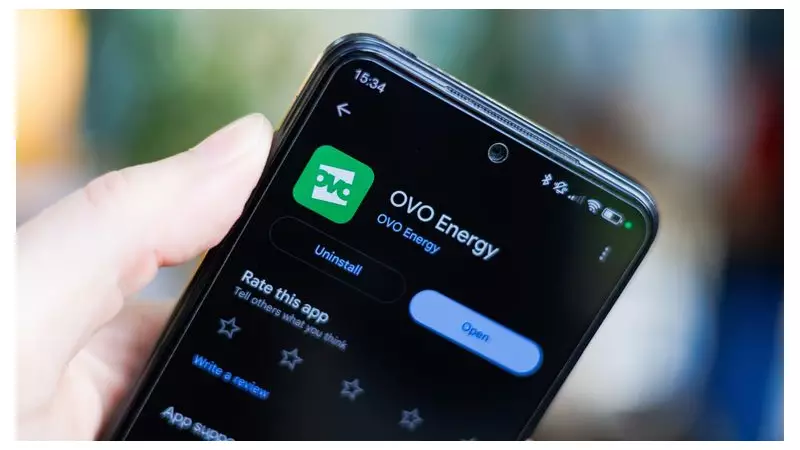
One of the United Kingdom's largest energy suppliers has been mandated to provide substantial financial redress to thousands of its most vulnerable customers following significant delays in administering crucial government support payments. Ovo Energy, the country's fourth biggest gas and electricity provider, has been instructed by the energy regulator Ofgem to compensate over 11,000 households after being more than nineteen months late in distributing warm home discount scheme benefits.
Substantial Compensation Package for Affected Households
The total compensation package amounts to £2,765,200, which will be distributed among 11,646 directly impacted customers. Each affected household will receive a minimum payment of £150 as baseline compensation for the delayed support. Furthermore, 4,066 customers who have been officially classified as medically vulnerable will receive an additional £150 payment, recognising their particular circumstances and increased need for timely energy bill support.
Additional Payments for Prepayment Meter Difficulties
Beyond these core compensation payments, Ovo Energy will also provide further restitution to customers who experienced specific hardships due to the delayed payments. The company will pay an extra £100 to affected households for each occasion between 31 March and 31 May 2024 when they lacked sufficient funds to top up their prepayment meters, resulting in their energy supply being interrupted. This additional compensation acknowledges the practical difficulties faced by customers who rely on prepayment arrangements for their energy supply.

Regulatory Action and Customer Impact
Ofgem's investigation revealed that instead of paying the warm home discount by the mandatory deadline of 31 March 2024, the affected customers did not receive their rebates until November 2025 – a delay exceeding nineteen months. The energy regulator emphasised that this prolonged delay meant some of the nation's most vulnerable energy consumers were left without crucial financial support during the coldest winter months, precisely when such assistance is most needed.
Of the approximately 11,000 customers impacted by the missing government bill discount, 7,726 were officially classified as vulnerable energy consumers, highlighting the disproportionate effect on those least able to absorb financial shocks. The warm home discount scheme is specifically designed to provide direct support on electricity bills during winter for low-income or vulnerable households, making timely payment essential for household budgeting and warmth provision.
Automatic Compensation Process
The energy regulator has confirmed that all affected customers have already been contacted regarding the compensation arrangements and do not need to take any further action to receive their payments. Compensation will be distributed automatically to eligible households, ensuring a straightforward process for those impacted by Ovo Energy's administrative failures. This automatic payment system aims to minimise additional burden on customers who have already experienced significant inconvenience and potential hardship.
Company Response and Future Safeguards
In response to Ofgem's findings and the compensation order, an Ovo Energy spokesperson expressed regret for the service failure, stating: "We're very sorry that some customers did not receive their Warm Home Discount payments on time. We have worked closely with Ofgem to understand what went wrong and to put measures in place to ensure it does not happen again."
The spokesperson further acknowledged: "We did not meet the high standards of service we set for ourselves, and all affected customers have now been compensated." This statement suggests the company has taken steps to address the systemic issues that led to the payment delays and has implemented improved processes to prevent similar occurrences in future billing cycles.
The case highlights the critical importance of timely administration of government support schemes by utility providers, particularly when serving vulnerable customer groups who depend on these payments for essential energy provision during challenging economic periods.






