

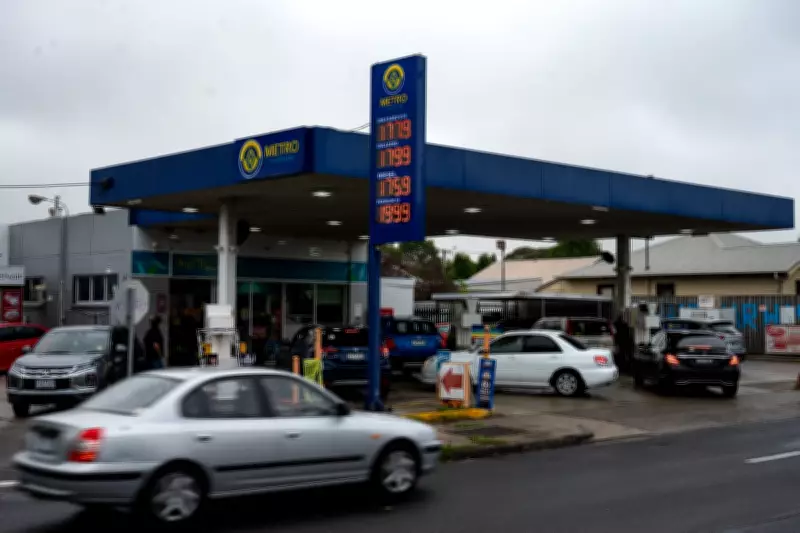
Panic Buying Triggers Fuel Shortages Across Australian Regions
Energy minister Chris Bowen has issued a stark warning, declaring that panic buying poses the most significant threat to Australia's petrol supplies as demand skyrockets in the wake of escalating Middle East tensions. In a parliamentary address, Bowen highlighted a "massive spike" in fuel sales, with figures soaring by 238% in the Adelaide Hills and Barossa regions and doubling by 100% in Mildura, Victoria. This surge has left many country service stations struggling to replenish stocks, despite assurances from the government and motoring groups that there is no actual shortage of fuel in the country.
Government and Experts Urge Calm Amid Stockpiling Frenzy
Bowen emphasized that the difficulties faced by regional areas are not due to a lack of fuel imports, noting that ships continue to arrive with supplies. However, he acknowledged that providers are finding it challenging to meet the unprecedented demand. The situation has been exacerbated by fears of rising oil prices and potential shortages, driven by the US-Israel war on Iran, which has sparked global economic concerns. Peter Khoury, a spokesperson for the NRMA, described the panic buying as creating a "vicious cycle," where stockpiling puts additional pressure on supply chains, worsening the crisis for everyone.
Regional Distributors Highlight Distribution Issues
Contrary to government statements, regional fuel distributors like Bartranz Petroleum in Queensland have reported receiving only about 10% of their usual allocated fuel from Brisbane, blaming distribution problems for the shortages. Bartranz expressed frustration, stating that whether it's a supply or distribution issue, the result for rural Australia is the same: an inability to access fuel. This has led to reports of farmers struggling to obtain diesel, critical for agricultural operations, and service stations running dry in remote areas.

Emergency Taskforce Addresses Supply Chain Pressures
In response to the crisis, the government convened an emergency meeting of a newly formed taskforce, bringing together federal ministers and representatives from farming, transport, and fuel sectors. The group committed to sharing information and identifying emerging issues, recognizing that while supply chain pressures exist in regional areas, Australia's overall fuel supply remains stable. Peter Jones of the Motor Trades Association of Australia explained that independent service stations, especially those without formal contracts with major oil companies, are particularly vulnerable, often being deprioritized for resupply.
Economic Impact and Future Predictions
The panic buying coincides with a sharp increase in petrol prices, which have risen by up to 25 cents per litre in major cities since the conflict began. Analysts predict that the war could last for months, not weeks, potentially keeping fuel prices elevated. Madison Cartwright, a senior geoeconomics analyst at CBA, warned that the conflict is likely to escalate further, despite recent comments from former US President Donald Trump suggesting a possible end. This could push fuel prices well above $2 per litre, with AMP chief economist Shane Oliver estimating that the average household's weekly fuel bill could reach a record high of $75.
Calls for Responsible Consumer Behavior
Experts and officials are urging Australians to avoid panic buying and to purchase fuel as they normally would. Jones also called for respect towards service station staff, who have faced abuse from frustrated customers. He noted that a recent drop in crude oil prices offers some hope, but predicting future trends remains uncertain, likening it to "trying to put darts in a moving dartboard." As the situation unfolds, the focus remains on stabilizing distribution and calming public fears to prevent further disruptions to Australia's fuel supply.






