

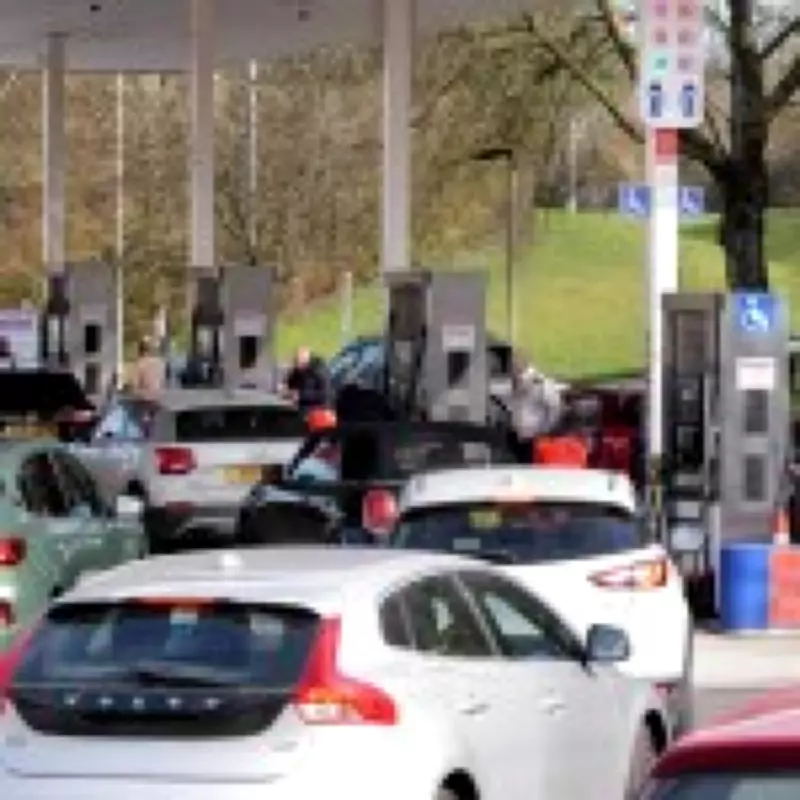
Petrol Prices Skyrocket Following Iran Conflict Outbreak
Motorists across the United Kingdom are being strongly advised to reconsider non-essential travel as global oil prices have surged dramatically, reaching the critical threshold of $100 per barrel. This sharp increase is directly linked to the escalating conflict in the Middle East, which began on Saturday, February 28, and has caused significant disruption to regional tanker traffic and oil supply chains.
Substantial Increases at the Pump
According to the latest data from the RAC, average petrol prices have risen by 5 pence per litre to 137.5 pence, while diesel has experienced an even steeper climb of 9 pence per litre, now standing at 151 pence. For the typical British driver with a five-door car featuring a 42-litre fuel tank, this translates to a fill-up cost of approximately £58, representing a notable financial burden for households already grappling with broader economic pressures.
Expert Warnings and Practical Advice
Edmund King, president of the AA, has issued a stark warning to UK drivers, emphasizing that the duration of the conflict will directly influence oil price volatility and, consequently, pump prices. "Any time Brent Crude passes 100 dollars per barrel raises concern across the markets, for the haulage industry and drivers," King stated. He urged motorists to adopt more fuel-efficient driving techniques and consider reducing discretionary journeys to mitigate costs, though he noted that price increases at petrol stations should be gradual rather than immediate, as retailers sell fuel purchased at earlier, lower prices.

Simon Williams, head of policy at the RAC, echoed these concerns, predicting further rises. "Average petrol and diesel prices have rocketed in the last week and are unfortunately likely to keep on rising, so the situation for UK drivers is looking increasingly bleak," he said. Williams forecast that unleaded petrol could reach an average of 140p per litre within the coming week, with diesel potentially climbing to at least 160p per litre. He recommended that drivers continue to refuel as usual but actively shop around to secure the best available prices.
Historical Context and Future Projections
Analysis conducted by the Energy and Climate Intelligence Unit, a prominent think tank, highlights the strong historical correlation between oil and fuel prices. Their research indicates that when oil trades at $100 per barrel, petrol prices typically stabilize around 150p per litre. Should oil prices escalate further to $120 per barrel, petrol could soar to approximately 170p per litre, underscoring the potential for continued financial strain on consumers if the Middle East conflict persists or intensifies.
The ongoing disruption in the Middle East has already sparked a significant rise in wholesale fuel prices, which are directly passed on to consumers at the pump. This situation places additional pressure on the haulage industry and everyday drivers, compounding existing challenges in the UK's transportation and logistics sectors. As geopolitical tensions remain high, experts stress the importance of monitoring oil market developments closely, as they will be a key determinant of future fuel cost trajectories in the coming weeks and months.






