

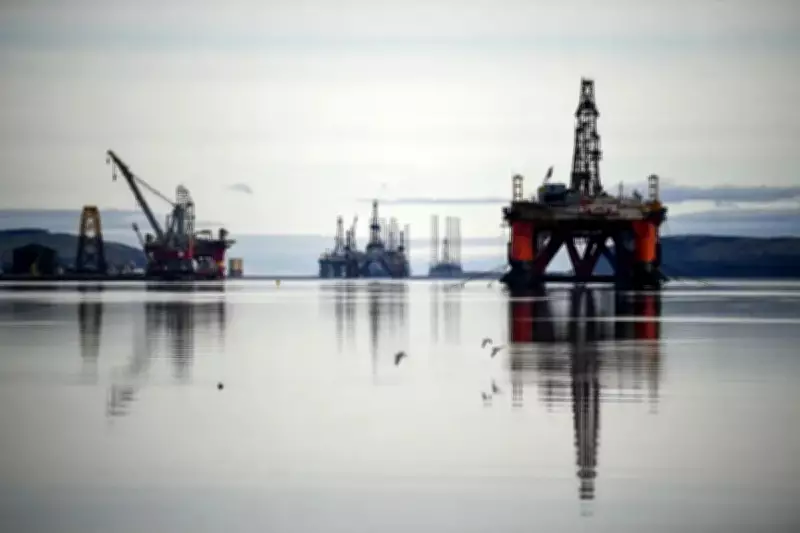
Chancellor Calls Emergency Meeting with North Sea Energy Leaders
Chancellor Rachel Reeves has announced she will hold an urgent meeting with North Sea oil and gas company executives in London on Wednesday, as a sudden surge in market prices jeopardizes the UK economy's trajectory toward lower inflation. The impromptu gathering comes during what Reeves described to MPs as an "uncertain period" requiring careful management.
Energy Price Shock Threatens Economic Stability
The meeting follows a significant spike in gas prices triggered by a Qatari state company shutting down its liquified natural gas production after an Iranian drone attack. Oil prices have also climbed sharply, with Brent Crude Oil spot prices reaching approximately $82 per barrel, up from just $73 days earlier.
This energy price shock poses a direct challenge to Labour's economic agenda, particularly Reeves' emphasis on promoting "stability" and increased investment in the UK economy. Another energy-driven inflation surge could undermine these key policy objectives.

Economic Forecasts Face Growing Uncertainty
The Office for Budget Responsibility's David Miles has highlighted "more uncertainty" in new inflation predictions, despite forecasts suggesting price growth would ease faster than previously anticipated this year. Ruth Curtice, chief executive of the Resolution Foundation, noted that the OBR's latest forecasts "already look out of date" given recent market developments.
Schroders global economist David Rees indicated the Bank of England would likely "pause for thought" regarding potential interest rate cuts later this month, even though investors had been pricing in reduced borrowing costs before the recent conflict erupted.
Calculating Inflation Risks from Energy Markets
Treasury officials and OBR analysts employ a "rule of thumb" methodology to assess how market price fluctuations might impact inflation and economic growth. Former Chancellor Jeremy Hunt revealed on LBC that Treasury calculations estimate a 20 percent rise in oil and gas prices typically translates to a one percentage point increase in inflation and a 0.5 percentage point reduction in growth.
Policy Criticism and Industry Pressure
The government faces mounting criticism over its energy policies, particularly its commitment to achieving an almost carbon-free national grid by 2030. Economists from Peel Hunt, Panmure Liberum, and several other City firms have urged Reeves to reduce the energy profits levy and eliminate regulatory barriers hindering North Sea exploration expansion.
Martin Beck of WPI Strategy emphasized that "a credible strategy to bolster domestic energy security, including encouraging, rather than curtailing, North Sea production, would help shield the public finances and the UK's balance of payments from the volatility of global markets."
Taxation and Political Challenges
Energy companies currently face a 78 percent headline tax rate on profits due to government policies, drawing criticism from opposition parties including the Conservatives, who have pledged to scrap Theresa May-era net-zero commitments targeting 2050. The debate has even attracted international attention, with former President Donald Trump criticizing UK energy policies and highlighting industrial electricity costs that exceed French rates by over 80 percent.






