

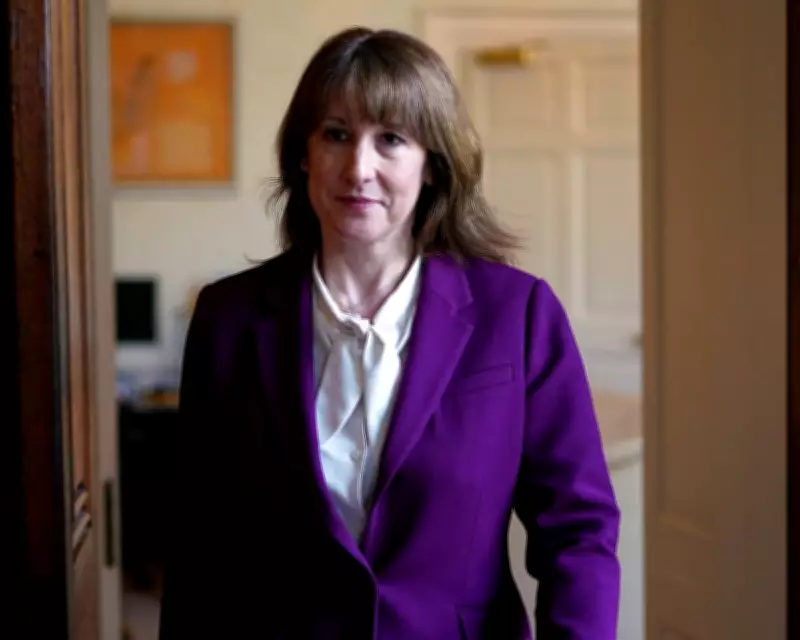
Chancellor Rachel Reeves Demands Action Against Fuel Price Gouging
Chancellor Rachel Reeves has taken a firm stance against potential profiteering by energy companies, instructing the Competition and Markets Authority (CMA) to aggressively monitor and address what she termed "rip off" fuel prices. This directive comes as she prepares to meet with energy executives at Downing Street, amid escalating concerns that corporations are exploiting the ongoing conflict between the US, Israel, and Iran to inflate profits at the expense of consumers.
Middle East Conflict Drives Oil Price Surge
The intensifying war in the Middle East has propelled oil prices back above the critical threshold of $100 per barrel. This spike is primarily driven by widespread Iranian attacks on energy facilities across the region, which have effectively neutralized the impact of significant government reserve releases. The resultant increase in fuel costs is exacerbating fears of a deepening cost of living crisis for British households already grappling with financial pressures.
In a strongly worded letter to the CMA, Chancellor Reeves emphasized her zero-tolerance policy towards corporate exploitation during times of crisis. "I will not tolerate any company exploiting the current crisis to make excess profits at customers' expense," she stated, urging the watchdog to remain on "high alert" for any "unjustifiable" price hikes. The Treasury confirmed that Reeves, alongside Energy Secretary Ed Miliband, will confront petrol retailers and energy suppliers in today's meeting, pressing them to ensure drivers are not subjected to excessive charges.

Economic Warnings and Political Fallout
The economic ramifications of the oil price shock are becoming increasingly dire. Tomasz Wieladek, Chief European Macro Economist at T. Rowe Price, issued a stark warning this morning, indicating that the sustained rise in oil prices could potentially push the UK economy into a recession. "The war in the Middle East and the consequent oil price rise will raise inflation and reduce consumer spending," he explained, highlighting the dual threat of heightened inflation and diminished economic activity.
Simultaneously, the political landscape remains turbulent. The Conservative opposition has intensified its accusations against the government, alleging a "cover-up" in the handling of documents related to Peter Mandelson's 2024 appointment as Ambassador to the US. Shadow Housing Secretary James Cleverly criticized the government for releasing "wrong versions of the documents," while Shadow Cabinet Office Minister Alex Burghart suggested there is "missing" correspondence. Downing Street has firmly rejected these allegations.
Further complicating matters, official figures from the Office for National Statistics (ONS) reveal that the UK economy entered this crisis on shaky ground, with GDP growth stagnating at 0% in January, down from a modest 0.1% increase in December. This flatlining performance is attributed to ongoing uncertainty surrounding Chancellor Reeves's autumn budget, which has hindered economic recovery efforts.
Adding to Prime Minister Keir Starmer's challenges, senior government sources have indicated that the impending release of ministerial WhatsApp messages in the next batch of Mandelson files could trigger additional resignations. Starmer has reiterated his apology for his handling of the Mandelson appointment, stating, "It was me that made a mistake, and it's me that makes the apology to the victims of [Jeffrey] Epstein, and I do that."
As the situation develops, the intersection of geopolitical conflict, economic vulnerability, and political scrutiny continues to define the current UK political and economic agenda.






