Thames Water Rescue Talks Drag On, Customer Future Remains Murky
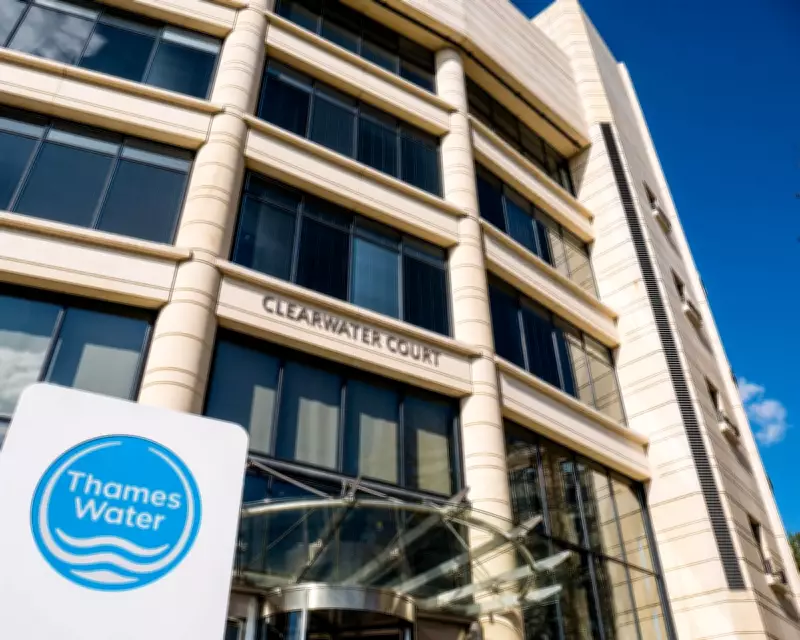
Thames Water's headquarters in Reading, Berkshire, stands as a symbol of ongoing uncertainty for customers, despite updated rescue proposals. As negotiations enter their ninth month, an outcome is thought to be weeks away, but the devil remains in the detail, leaving the overall picture for customers as unclear as a polluted watercourse.
Financial Tweaks and Ongoing Negotiations
It has been two years since Thames Water's shareholders declared the company "uninvestible" and accepted their shares as worthless. Yet, the water torture continues, with senior creditors and the regulator, Ofwat, still locked in talks. Monday's updated proposal included a few new details: the fresh equity injection increased from £3.15 billion to £3.35 billion, and the day-one debt facility was boosted by a billion pounds to £3.25 billion. Ofwat also appears to have insisted creditors underwrite a further £3.3 billion debt facility as a precaution for potential market challenges by 2028.
These financial adjustments are viewed as standard negotiating tactics in repairing a broken balance sheet. Creditors initially proposed haircuts of only 20% on their debt but have been pushed back to 30%, with demands for more equity and debt headroom. However, this represents the relatively easy part of the deal.

Critical Regulatory and Operational Details
The critical aspects of the rescue deal involve regulatory "easements" and operational details, with at least three key reasons why the picture remains murky for outsiders, including customers.
First, the cost of regulatory leniency. Creditors must determine how much to pay for a bespoke turnaround regime that would allow Thames Water to escape normal pollution rules until 2030. While Thames would pay outstanding fines, a "significant upfront and ringfenced investor and redress commitment" is undefined, potentially running to hundreds of millions of pounds to cover future fines due to the company's shocking asset state.
Second, performance targets and prioritization. Creditors claim "ambitious" targets, but amid talks of prioritizing spending within the £20.4 billion five-year programme, it's unclear which projects would be de-prioritized. The dilution of targets to make them believable remains unspecified, raising concerns about accountability.
Third, creditor profits and customer shares. Ofwat has acknowledged the risk that some creditors, such as New York hedge fund Elliott Management, could profit significantly if a turnaround succeeds. An "excess value share mechanism" is mentioned to allow customers a slice of financial spoils from any eventual sale, but the "agreed level" for this share is coyly phrased, hiding potential stakes in a future stock market listing. Additionally, the distribution of ownership stakes among creditors, likely not favoring cuddly UK pension funds, adds to the uncertainty.
Government Reluctance and Future Implications
The devil remains in the detail, and while the government's reluctance to tip Thames into special administration—temporary nationalisation—is understandable, any voluntary deal must credibly and transparently hold creditors accountable. A process where an administrator maximizes value for creditors could risk asset repair speed. Ofwat should not hesitate to reject a deal if it fails to meet standards, as sometimes no deal is the best outcome.
As negotiations rumble on interminably, the future of Thames Water and its customers hangs in the balance, with critical questions unanswered and transparency lacking.