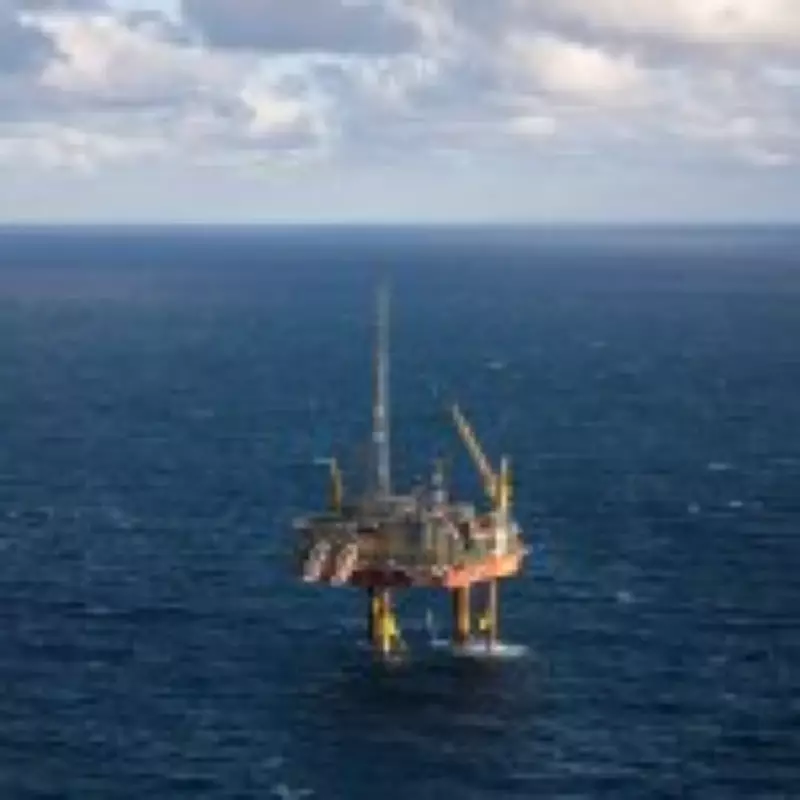
In a bold intervention into UK energy policy, former US President Donald Trump has called on the United Kingdom to aggressively drill for oil in the North Sea, using his signature phrase "drill, baby, drill" to mock the nation's commitment to renewable energy sources. Trump's comments come as global oil prices surge following his blockade of the Strait of Hormuz, intensifying pressure on European energy markets.
Trump's Social Media Critique of UK Energy Strategy
Taking to Truth Social, Trump lambasted the UK for refusing to tap into North Sea oil reserves, which he described as "one of the greatest fields in the World." He argued that Europe is desperate for energy, yet the UK is missing out on a lucrative opportunity, allowing Norway to sell oil at double the price. Trump emphasized, "Aberdeen should be booming," highlighting the economic potential he believes is being wasted.
He further criticized the shift away from fossil fuels, stating, "AND, NO MORE WINDMILLS!" This reflects his longstanding skepticism of renewable energy infrastructure like wind turbines, positioning himself as a champion of traditional oil and gas extraction.

Untapped Resources and Government Response
One specific untapped resource mentioned is the Jackdaw gas field, located approximately 150 miles east of Aberdeen. If developed, this field could supply enough gas to heat an estimated 1.6 million homes, offering a significant boost to domestic energy supply.
However, UK Energy Secretary Ed Miliband has countered such proposals, asserting that opening new oil and gas fields in the North Sea would not reduce energy bills for British consumers. He explained that prices are determined on international markets, meaning local production does not guarantee lower costs. Additionally, the UK government points to the long-term decline of North Sea reserves, which have been maturing for over two decades, as a reason to prioritize renewable and nuclear energy for future security.
Global Economic Context and Diplomatic Tensions
The backdrop to this debate includes a spike in energy prices driven by conflicts in the Middle East, particularly involving Iran. US Treasury Secretary Scott Bessent has acknowledged that this situation causes "a small bit of economic pain for a few weeks" but deems it necessary to address broader geopolitical risks, such as nuclear proliferation.
In response, UK Chancellor Rachel Reeves has criticized America's actions in the Middle East, highlighting their negative impact on families worldwide. Bessent, however, remains optimistic, predicting that the conflict will eventually subside, leading to lower prices and reduced inflation. This exchange underscores the diplomatic strains and economic uncertainties shaping global energy discussions.
As this story develops, it highlights a clash between Trump's pro-fossil fuel agenda and the UK's green energy transition, with significant implications for both economies and international relations.