Tunbridge Wells Residents in 'Water Limbo' Demand Action After Outages
In the affluent corner of Kent, a community fightback is brewing as residents of Tunbridge Wells grapple with what they describe as a state of 'water limbo'. Following lengthy water outages in December and January, many fear that further disruptions are inevitable, sparking anger and calls for radical change.
Dry Wells Action Group Emerges
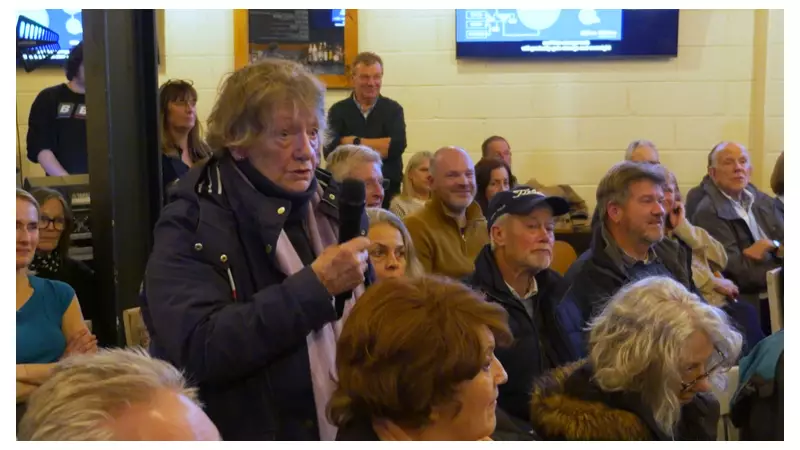
The newly established community group, Dry Wells Action, held its first major public meeting on Wednesday night, drawing over 100 residents to a packed bar. Organiser Jonathan Hawker voiced the collective frustration, stating, 'They have left us in water limbo, and that's no way to live in 2026.' This sentiment echoes three years of disrupted water supplies across Kent and East Sussex, which have escalated this winter.
Although most households have now been reconnected, the recent outages have left a lasting impact. Residents are demanding answers, transparency, and accountability from South East Water (SEW), the utility company responsible. Notably, SEW was invited to the meeting but failed to send a representative, a move criticised by attendees as disappointing and indicative of poor communication.

Personal and Community Impacts
The water issues have had severe consequences for daily life. Syed Ahmed, a consultant hip surgeon, shared how he had to cancel NHS clinics due to school closures with little notice, forcing him to choose between childcare and clinical services. He expressed concern over the potential life-threatening impacts on patients whose appointments or surgeries were rescheduled.
In the education sector, Hannah Knowles, principal of Skinner's Academy in Tunbridge Wells, has spent £6,000 on portable toilets to ensure mock exams proceed. She estimates total costs from contingency measures and losses at £20,000, accusing SEW of 'taking money from young people' if compensation is not provided. Year 13 student Doris Waugh added that residents feel treated 'like idiots', with technical explanations offered but no tangible solutions.
Calls for Overhaul and Accountability
The frustration has galvanised calls for more than just infrastructure investment. Jo Dobson, a founder of the Dry Wells campaign, emphasised that 'it needs a complete overhaul' and hopes that change in Kent could set a precedent for the rest of the country. This aligns with growing demands for radical measures, including taking water companies back into public ownership, despite government plans for a new regulator.
David Hinton, the chief executive of SEW with a basic annual salary of £400,000, recently rated his company's performance 8/10 for incident response and 6/10 for communications before MPs, much to the irritation of customers. Residents have called for his resignation, citing a lack of effective leadership during the crisis.
As the community braces for potential future cuts, the drumbeat for change grows louder, with residents determined to hold SEW accountable and push for sustainable solutions to end the water limbo.